Why Solar-Powered Computer Labs Could Transform Education in Northern Nigeria
In many parts of northern Nigeria, education is still heavily constrained by one stubborn issue: unreliable electricity. Classrooms go dark, computer labs remain locked, and digital learning becomes more theory than practice. In some schools, power is available for only a few hours a day, often dependent on expensive diesel generators that schools struggle to fuel consistently.
This challenge is even more pronounced in rural communities where access to the national grid is either weak or completely absent. As a result, students grow up without exposure to basic digital tools that are now essential in modern education and employment. Computer studies become abstract, and innovation is quietly stifled before it even begins.
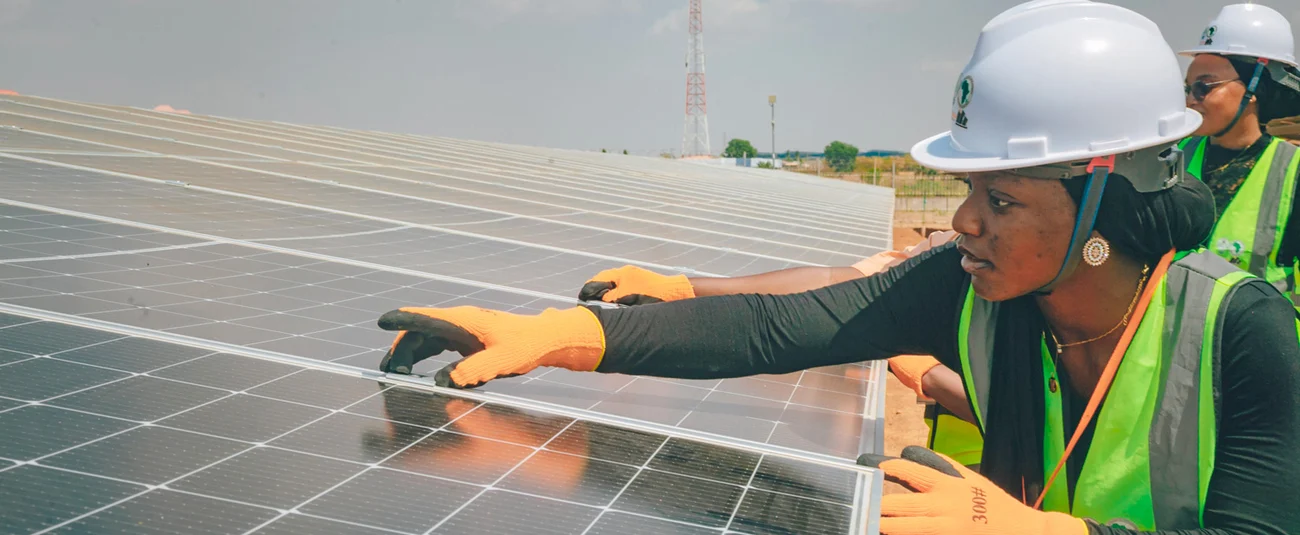
Yet, there is a growing realisation that solving the electricity problem could unlock far more than just lighting. It could reshape the entire educational experience. Solar-powered computer labs are emerging as a practical and scalable answer, especially in northern Nigeria, where sunlight is abundant throughout the year. The region enjoys some of the highest solar energy potential in the country, making it naturally suited for solar solutions.
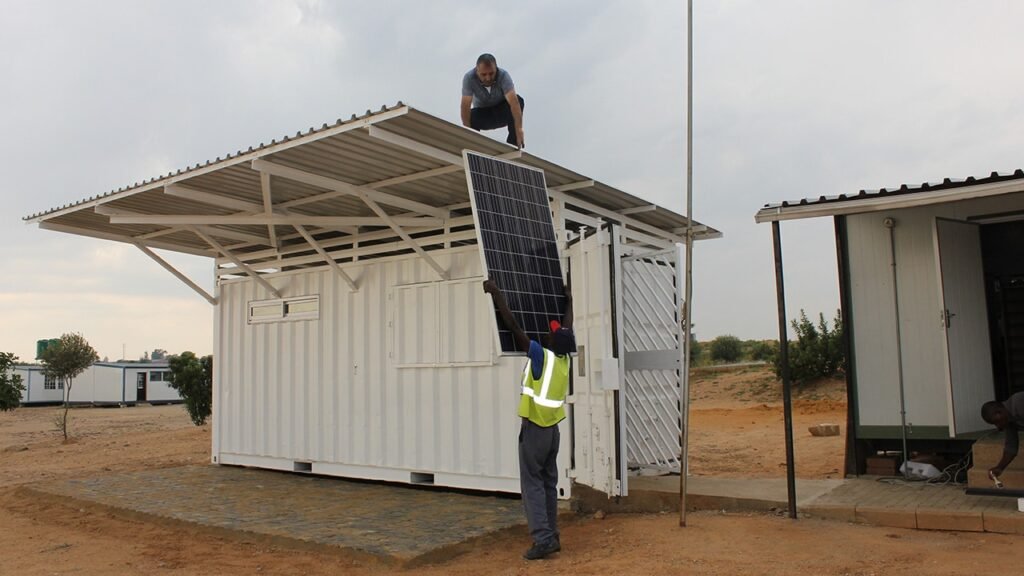
Table of Contents
How Solar-Powered Labs Are Changing Classrooms
Solar-powered computer labs are exactly what they sound like: ICT learning centres powered by solar panels, batteries, and energy-efficient systems. But their impact goes far beyond just keeping computers switched on.
First, they provide consistent and reliable electricity. Unlike generators that depend on fuel or the grid that fluctuates unpredictably, solar systems offer steady power throughout the school day. This reliability allows teachers to plan lessons with confidence and ensures students can complete practical assignments without interruption.
Second, they make digital education truly accessible. With functioning computers, schools can introduce coding, digital literacy, online research, and interactive learning tools. In communities where students have never touched a computer, this exposure can be life-changing. Programmes around the world have shown that solar-powered ICT labs can bring offline digital libraries, educational software, and even internet access into underserved schools.
Third, solar labs create a better learning environment. Traditional generators are noisy, emit fumes, and disrupt concentration. Solar energy, on the other hand, is silent and clean. This improves both health and focus, creating a more conducive atmosphere for learning.
There is also a subtle but powerful psychological shift. When students see functional technology in their schools, it changes how they perceive education. It becomes modern, relevant, and connected to the wider world.
Real Impact on Students and Communities
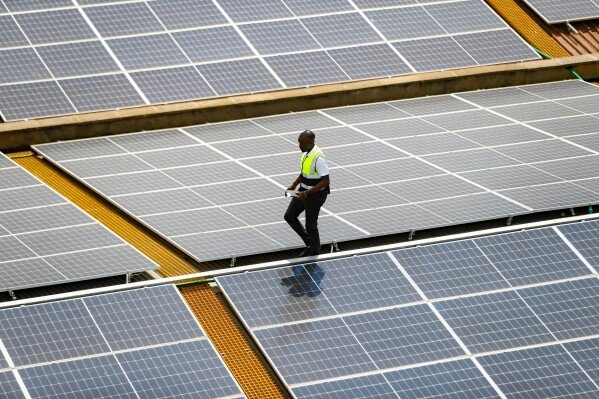
The introduction of solar-powered systems in Nigerian schools has already begun to show measurable results. In communities where solar electricity has been installed, schools have reported improved attendance and increased enthusiasm for learning. Students are more eager to attend classes when the environment is comfortable and engaging.
Access to electricity also extends learning beyond daylight hours. Students can study in the evening, teachers can prepare lessons more effectively, and schools can organise additional academic activities. Over time, this leads to better academic performance and stronger outcomes.
Beyond the classroom, the benefits spill into the wider community. Solar-powered labs can double as digital hubs where young people learn skills such as typing, graphic design, and basic programming. These are not just academic skills; they are employable skills.
There is also an economic dimension. Schools that switch to solar energy significantly reduce their spending on diesel and generator maintenance. Funds that were previously used for fuel can be redirected towards books, teacher training, and infrastructure development.
In some cases, solar projects have even improved health and safety in surrounding communities by powering lighting, fans, and clean water systems. This shows that the impact of solar-powered education infrastructure is not limited to academics alone.
Challenges, Opportunities, and the Road Ahead
Despite the promise, the adoption of solar-powered computer labs in northern Nigeria is not without challenges. The most obvious barrier is the initial cost. Setting up a solar system with panels, batteries, and inverters requires significant upfront investment, which many public schools cannot afford without external support.
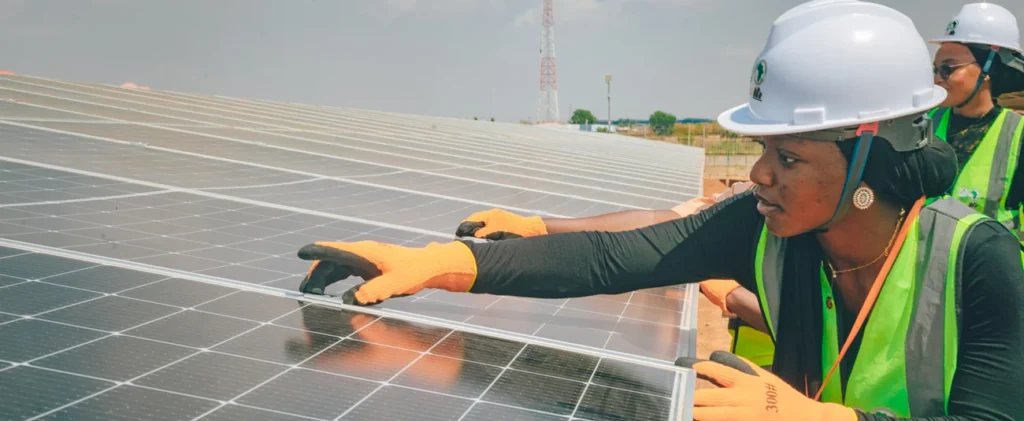
There are also concerns around maintenance and technical expertise. Solar systems require proper installation and periodic servicing to function effectively over time. Without trained personnel, some projects risk falling into disrepair.
However, these challenges are increasingly being addressed through partnerships between government agencies, private companies, and non-profit organisations. Recent initiatives have seen solar systems deployed in schools across multiple states, demonstrating that large-scale implementation is possible when stakeholders collaborate.
The opportunity ahead is massive. Northern Nigeria has both the need and the natural resources to lead in solar-powered education. With the right investment, policies, and training programmes, solar computer labs could become a standard feature in schools rather than an exception.
More importantly, this is not just about technology or electricity. It is about equity. It is about ensuring that a child in a rural community in Kaduna or Borno has the same opportunity to learn digital skills as a child in Lagos or Abuja.
If scaled effectively, solar-powered computer labs could do more than improve education. They could bridge the digital divide, empower a new generation of innovators, and position northern Nigeria as a region not left behind, but one that is actively shaping its own future.
Join Our Social Media Channels:
WhatsApp: NaijaEyes
Facebook: NaijaEyes
Twitter: NaijaEyes
Instagram: NaijaEyes
TikTok: NaijaEyes