Across the country, long-serving Parent-Teacher Association (PTA) and part-time teachers attached to Federal Unity Colleges are growing increasingly anxious as months pass with little clarity on their promised regularisation into the civil service. Despite years of teaching and a federal verification exercise conducted in 2024, many educators who hoped to see their status upgraded and wages improved are still waiting with uncertainty about their future.
For decades, Unity Schools have relied on PTA and part-time teachers to fill staffing gaps. These men and women have often devoted more than a decade of their lives to educating children in federal institutions. Yet the promise of regular employment, a clearer career path, and dignified pay remains unfulfilled, creating frustration not only among teachers but also civil society groups and education advocates calling for transparency from government authorities.
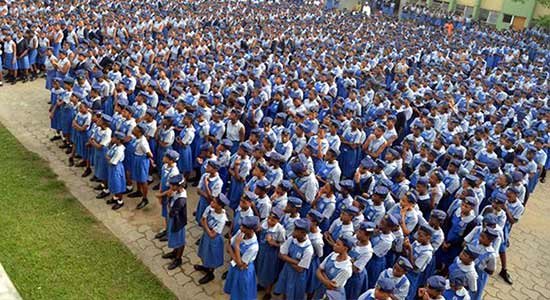
Years of Service in Federal Schools With No Certainty Ahead
In May 2025, thousands of PTA and part-time teachers took part in a federal government-supervised verification exercise designed to assess eligibility for regularisation into the federal civil service. Many submitted all required documents and complied with verification procedures in good faith, hopeful that their status would be formalised after years of service.
However, well over six months on, there has been no official communication from the Federal Ministry of Education or the Federal Civil Service Commission about the outcome of the exercise. Appointment letters have not been issued and there is no publicly stated timeline for when verified teachers can expect to be regularised.
One prominent source familiar with the situation voiced deep concern about how things have unfolded, saying that verified teachers have been left in the dark even as new civilian recruits are reportedly being documented and posted to work. This has generated suspicion that “job racketeering” may be occurring within the ministry, where positions are effectively being handed out to fresh applicants instead of honouring the results of the verification exercise.
Among affected teachers are many who have served in Unity Schools for 10, 15, 20 or even 25 years under the PTA arrangement. They continue to teach and support students daily, often with little recognition or remuneration that reflects their experience and contribution.
The Financial Strain and Daily Realities of PTA Teachers
One of the most pressing concerns highlighted by teachers and advocates is the extremely low pay that many PTA teachers earn. Monthly wages of ₦30,000 or less have become untenable in the face of rising living costs, economic pressures, and inflationary pressures on goods and services.
For teachers who have spent a large share of their productive years in classrooms across the country, the lack of progress towards regularisation and decent wages has dented morale and raised serious questions about the sustainability of the current system. Many argue that those who have worked effectively for years deserve better than temporary contracts and uncertain futures.
Advocates for the teachers have publicly appealed for greater clarity from federal authorities. In a statement titled “PTA/Part-Time Teachers of Federal Unity Schools Still Waiting: Months After Verification, Silence and Undignified Pay Continue,” a coalition of education and human rights organisations outlined the hardships faced by teachers and called for urgent action. They stressed that thousands of teachers in this category are serving without meaningful communication from the government about their employment status.
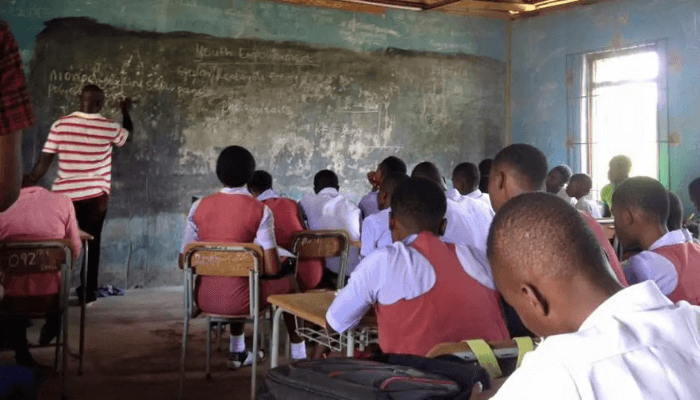
Calls for Fairness, Transparency and Humane Treatment
The advocacy group explained that teachers had complied with all expectations of the 2024 verification exercise and are now pleading for the federal government to follow through on its commitments. The group lamented the lack of updates on the outcome of the exercise, noting that many of these teachers continue teaching amid financial strain and personal sacrifice.
In addition to financial concerns, the group pointed to a tragic incident during the verification exercise in which a Vice Principal designated to accompany teachers to verification centres lost his life. This loss has added urgency to calls for compassion, dignity, and practical support for those who remain in limbo.
Notably, advocates drew a contrast with regularisation processes in other federal institutions. They mentioned that PTA and part-time teachers in some agencies, including the Nigerian Air Force, were reportedly regularised soon after similar verification exercises in 2024. This has raised questions about the perceived discrepancy between practices in federal ministries and those in other government arms.
While the group insists its appeal is not a protest or an attack on government institutions, it stressed the need for clarity and inclusive decision-making that carries all verified teachers along, not just a few. Such steps, they argue, are vital to restoring confidence and dignity among educators and ensuring that the education system’s stability is not undermined by administrative silence.
What This Means for Nigeria’s Education System
The predicament of PTA teachers highlights broader systemic challenges facing federal education in Nigeria. Unity Schools are unique institutions meant to uphold standards of excellence and promote national integration. However, decades-long reliance on ad hoc teachers, funding shortfalls, and structural inefficiencies have long affected their delivery. Recent reports have revealed that many schools lack sufficient qualified teachers and have to depend on PTA-employed teachers to cover gaps left by federal staff shortages.
This situation is not new. For years, education stakeholders have pointed out that the overreliance on PTA hires is neither sustainable nor fair, given the poor remuneration and precarious work conditions these teachers often endure. Many teachers in this arrangement are not even formally recognised by teacher bodies, which deepens their vulnerability and diminishes their professional standing.
The federal government has in the past indicated its intention to regularise qualified PTA teachers and prevent further unregulated hires moving forward. In statements tied to budget approvals and broader educational reforms, officials have acknowledged teacher shortages and signalled plans to integrate eligible PTA teachers into the civil service.
However, the current deadlock suggests that clear mechanisms for implementation are still lacking, leaving affected teachers and education advocates calling for a renewed commitment to transparency and fairness in the process. Without such steps, the morale of those who have dedicated years to shaping Nigeria’s future through teaching may be further eroded.
Parents and education stakeholders have added their voices to calls for improvement in Unity Schools. Beyond teacher regularisation, concerns around infrastructure, inadequate facilities, and the quality of learning environments are ongoing themes in discussions around reform. Many have urged collaborative actions between federal authorities, state governments, and PTA bodies to ensure better support for both students and educators.
While these broader issues remain critical, the immediate concern driving public debate today is the fate of thousands of PTA and part-time teachers still awaiting confirmation of their status. For educators who have poured their heart into classrooms across Nigeria, the wait has become a test of patience and resilience. Many now hope that urgent government action will bring clarity, fairness and recognition to those who have devoted years to public service.
Join Our Social Media Channels:
WhatsApp: NaijaEyes
Facebook: NaijaEyes
Twitter: NaijaEyes
Instagram: NaijaEyes
TikTok: NaijaEyes
READ THE LATEST EDUCATION NEWS