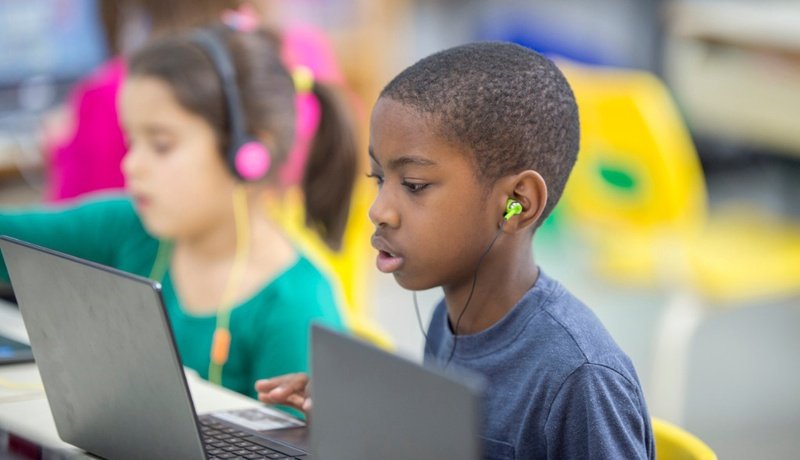
A new report has revealed that many schools across the United States are falling short in providing the assistive technology that learners with disabilities need to fully engage in education. This shortfall has raised concerns among educators, families and advocates about equity in classrooms and the long-term educational outcomes of students with special needs.
The findings highlight a range of barriers that are preventing schools from delivering essential tools that support learning, communication and classroom participation. As experts and advocates point out, these challenges do not only affect schools in the United States but reflect wider global issues around inclusion, awareness and resources.

Table of Contents
What Schools and Educators Are Saying
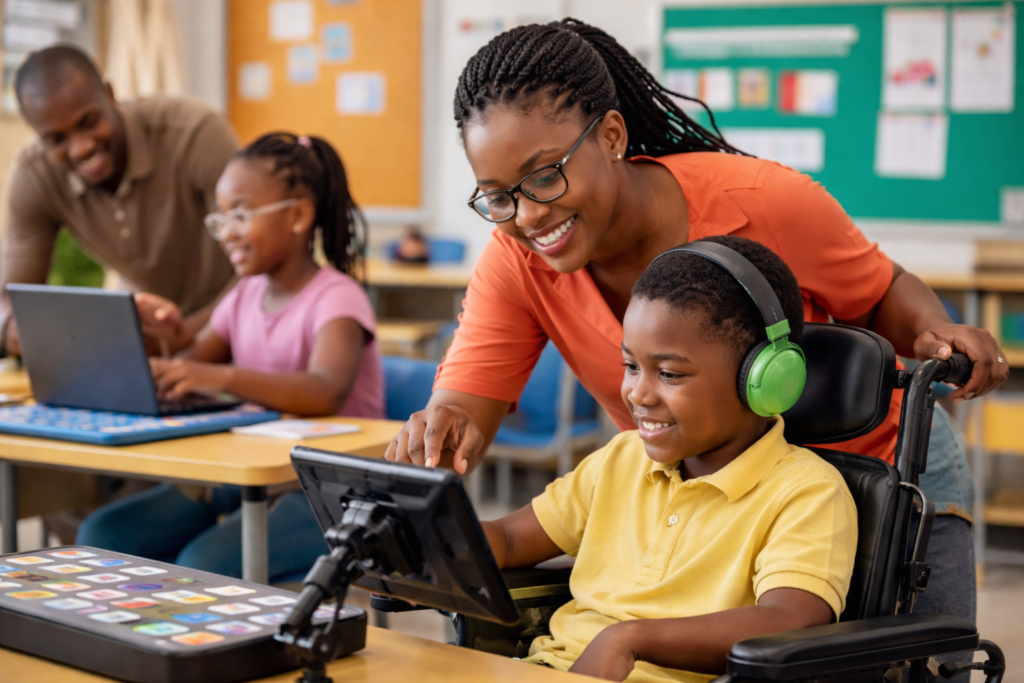
Assistive technology refers to any device or software that helps students with disabilities access learning and express themselves more effectively. Examples include screen readers, voice recognition apps, adapted keyboards, and devices that help students communicate. When used effectively, these technologies can have a transformative effect on a learner’s experience.
Yet, according to the recent report, many schools are struggling to integrate these tools into regular teaching and learning. A central problem is limited awareness among school staff about what assistive technology is and how it can benefit individual students. In many cases, teachers are only familiar with certain high-tech devices and do not know about simpler options that could meet students’ needs just as well.
Educators also face a fast-moving technology landscape, which makes it hard for them to keep up with the latest advancements. Training opportunities are scarce and often not built into regular professional development. Staff shortages and high turnover make it difficult for schools to sustain expertise, and many teachers find themselves learning by trial and error rather than through structured programmes.
Another significant hurdle is the perception of assistive technology among some staff. In some environments, colleagues may regard it as an unfair advantage for certain learners rather than a necessary support for equal access. This mindset can prevent assistive technology from being used consistently, even when it is legally mandated in a student’s education plan.
Wider Systemic Barriers
Beyond school walls, wider issues in public education affect assistive technology uptake. Funding constraints remain a major challenge. High-quality tools can be expensive, and annual software licences, device maintenance, and upgrades all add to the financial burden. Even when funds are available, schools often struggle to prioritise assistive technology over other pressing needs.
Technology infrastructure also plays a part. Devices must be compatible with existing systems, charged, updated and accessible to students when they need them. Schools have reported difficulties keeping devices operational or replacing them promptly when they break. Delays in replacing technology can have real impacts on learning continuity, leading some learners to regress when the tools they depend on are unavailable.
These are not issues unique to the United States. In countries like Nigeria, experts note that a lack of trained professionals, inadequate funding, limited awareness and infrastructure deficits also make it difficult to implement assistive technology effectively in schools. Many educators do not receive enough training on how to use these tools, and where devices do exist, maintenance and technical support are often lacking.
Personal Stories and Classroom Impact
On the ground, the impact of these gaps is felt by students and teachers alike. In schools where assistive technology is inconsistently available, some learners simply go without the tools that would help them participate in lessons, complete assignments or communicate with peers and adults. A student might have a communication device, but sees it rarely in class because staff are unsure how to integrate it into daily activities.
Teachers in several districts noted that when assistive devices are broken or outdated, students lose valuable learning time while waiting for repairs. Some learners feel embarrassed to use visible devices in class, which can lead them to avoid using technology designed to help them. This not only undermines the educational benefits of the technology but can also affect learners’ confidence and sense of belonging at school.
These kinds of experiences underline the gap between policy and practice. While laws may require schools to consider assistive technology when developing individual education plans for learners with disabilities, the reality on the ground often falls short. Without sufficient training, preparation and support, many educators find it hard to fulfil these legal requirements in a meaningful way.
Strategies That Are Making a Difference
Despite the challenges, some school districts have found ways to improve their assistive technology services. One promising approach has been the formation of dedicated assistive technology teams. These groups help standardise processes for identifying what tools students need, documenting their use in education plans, and coordinating acquisition and training efforts.
Other districts are tapping into external resources to support staff training. Federal, state and regional programmes provide workshops, expert consultation and assistive technology lending libraries. These libraries allow schools to trial tools with students before making large purchases, and data collected from these trials can guide better decisions about what equipment will truly benefit learners.
Integrating assistive technology into broader school technology plans has also helped. When special education teams work closely with IT departments, they can manage devices more efficiently and ensure that software and hardware remain compatible and up to date. Regular professional development that includes assistive technology training helps build teacher confidence and makes it more likely that students will use the tools every day.
What This Means for Inclusive Education
As schools grapple with these barriers, advocates insist that meaningful change is possible with the right focus and resources. Assistive technology can play a central role in creating inclusive classrooms where all learners have equitable opportunities to succeed. Research shows that when accessibility tools are used effectively, they can increase engagement, independence and participation for students with disabilities.
In Nigeria and other countries, the need to promote awareness, build infrastructure and invest in training is critical. Many Nigerian schools still face basic challenges like unreliable power supply, limited internet connectivity and a shortage of trained specialists. These factors compound the difficulty of introducing assistive technology into mainstream education. Overcoming them will require coordinated efforts from governments, educational institutions, communities and industry partners.
At its heart, the issue is about inclusion. Assistive technology is not simply a set of tools; it is a bridge towards equity in education. Ensuring that every learner who needs it can access and use it effectively is a marker of a truly welcoming school system. As schools continue to adapt and innovate, the hope is that the promise of assistive technology will be realised for all learners, regardless of ability or background.
Join Our Social Media Channels:
WhatsApp: NaijaEyes
Facebook: NaijaEyes
Twitter: NaijaEyes
Instagram: NaijaEyes
TikTok: NaijaEyes