The Lagos Internal Revenue Service’s notice on the execution of the tax law has sparked yet another dispute among Nigerians regarding the country’s tax regulations.
In a notice over the weekend, LIRS revealed that it has the authority granted to it by Section 60 of the Nigeria Tax Act Administration to recover outstanding taxes via direct bank debit.
The report has not been refuted by the Presidential Fiscal Policy and Tax Reforms Committee or the Nigeria Revenue Service.
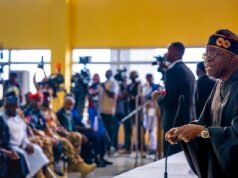
Taiwo Oyedele, the committee chairman, revealed this via his X statement, which stated that the action is the authority’s last option.

“The power of substitution is a tax recovery mechanism that permits the tax authority to issue a directive to a third party (a ‘substitute’) to remit funds belonging to a defaulting taxpayer to settle a final, established, and unpaid tax liability.
“This power is only exercised after all legal and administrative processes, including appeals to the courts, have been exhausted,” he said in a reply to a frequently asked question on X.
He went on to clarify that the power of arbitrary replacement is neither discretionary nor arbitrary, emphasising that due process tightly governs its application.
However, the latest clarification falls short of his earlier position, which states that the new reforms did not empower anybody, federal, state, or local government councils, to debit personal accounts.

Meanwhile, economists and financial experts poured out their thoughts on the development. Dr Muda Yusuf, the CEO of the Centre for the Promotion of Private Enterprise, stated that the opposing viewpoints must be reconciled.
In response, Yusuf stated that although the reforms were essential, the problem of authorities having direct access to bank accounts needed more precise justifications in order to prevent frightening and confusing Nigerians.
He pointed out that fear of arbitrary debits has already caused panic in some areas, with instances of people taking money out of banks.

He claimed that these responses highlighted the necessity for authorities supporting the reforms to communicate more effectively.
Yusuf cautioned that debiting bank accounts for obligations poses important issues regarding who owns the money in those accounts.
He explained that money held in an individual’s account may not necessarily belong to that person, as it could be funds from contractors, suppliers, or third parties.
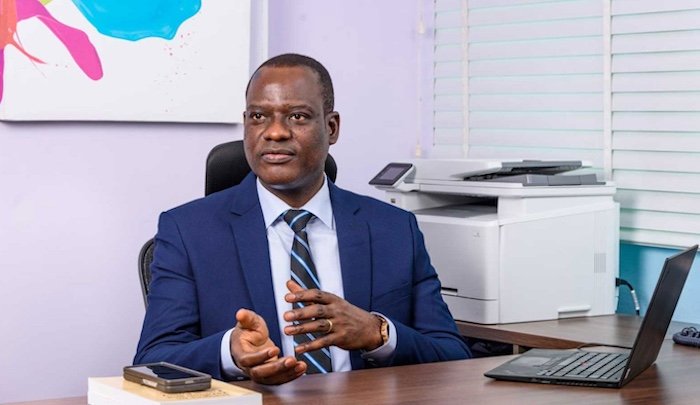
Similarly, Mazi Okechukwu, the former head of the Chartered Institute of Bankers of Nigeria, called the action risky and cautioned that it would lead to long-term financial system instability.
He cautioned that such actions might harm the financial industry’s and the tax system’s credibility if left unchecked.
Join Our Social Media Channels:
WhatsApp: NaijaEyes
Facebook: NaijaEyes
Twitter: NaijaEyes
Instagram: NaijaEyes
TikTok: NaijaEyes