The rapid advance of technology is transforming the way markets operate across the world, and Nigeria is not left out of the shift. From online marketplaces to digital payment systems and cross-border trade platforms, the structure of commerce is changing faster than ever before. Industry regulators and policymakers now face the challenge of ensuring that these innovations continue to benefit businesses and consumers without weakening fair competition.
This evolving reality formed the centre of discussions at a recent conference on competition and consumer protection law in Abuja. Speaking at the event, the Executive Vice Chairman and Chief Executive Officer of the Federal Competition and Consumer Protection Commission, Tunji Bello, explained that technological innovation and the expansion of digital commerce are significantly altering how modern markets function.
According to him, the emergence of complex business structures and cross-border transactions has created new opportunities for growth while also introducing regulatory challenges that governments must address.
As businesses continue to move online and digital platforms become central to commerce, experts say regulators, the judiciary and private sector players must work together to ensure that innovation does not come at the expense of consumer rights or market fairness.
Table of Contents

Digital Transformation Driving New Market Dynamics
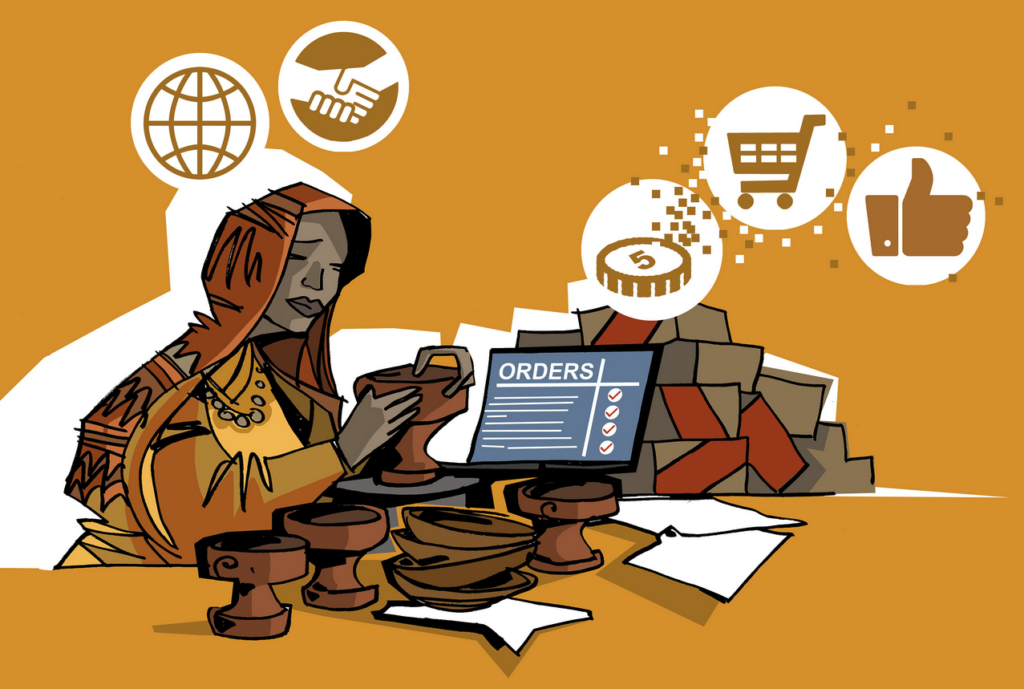
Across Nigeria and much of the world, technology has become the backbone of economic activity. E-commerce platforms, fintech services and digital payment systems have made it easier for businesses to reach customers beyond geographical boundaries.
Bello observed that these developments have fundamentally altered traditional market structures. In the past, commerce largely depended on physical interactions between buyers and sellers within specific locations. Today, businesses can sell products globally through online platforms, while consumers can compare prices and services with a few clicks.
This shift has accelerated competition among businesses. Companies must constantly innovate to remain relevant, and many have embraced data analytics, artificial intelligence and automation to improve efficiency and customer experience.
However, the rapid pace of digital transformation has also introduced complexities into the marketplace. Multinational digital platforms can operate in multiple jurisdictions simultaneously, making it difficult for regulators to enforce competition rules consistently.
Bello noted that the growing integration of technology into business models means regulators must adapt quickly to keep pace with these changes. Markets are becoming more interconnected, and digital platforms often control large volumes of consumer data, which can influence market power and competition dynamics.
Experts say this transformation has created opportunities for small businesses and startups as well. Digital platforms enable entrepreneurs to access wider markets without heavy infrastructure costs, while mobile technologies have expanded financial inclusion across Africa.
In Nigeria, the rise of fintech firms and online marketplaces illustrates how technology is opening new economic pathways. From digital payments to logistics platforms, innovation continues to reshape how goods and services are produced, distributed and consumed.
Judiciary and Regulators Face Emerging Challenges
While technological progress offers numerous benefits, it also raises important questions about regulation and legal interpretation. Bello stressed that competition and consumer protection laws are among the most dynamic and frequently litigated areas of modern legal practice.
He explained that the judiciary plays a critical role in interpreting these laws and determining how they apply to evolving business models. Courts often become the arena where legal principles governing market competition are tested and clarified.
In practical terms, this means judges must increasingly deal with complex cases involving digital platforms, multinational corporations and new forms of commercial relationships.
According to Bello, regulators such as the Federal Competition and Consumer Protection Commission are responsible for investigating market practices and enforcing compliance with the law. However, the ultimate interpretation of these laws rests with the courts.
This relationship between regulators and the judiciary highlights the need for ongoing dialogue and knowledge exchange. As digital commerce expands, legal professionals must understand the technological and economic factors shaping modern markets.
Legal experts argue that building this understanding is essential to ensure consistent and predictable rulings that promote fair competition. Without a clear interpretation of competition laws, businesses may face uncertainty that could discourage investment and innovation.
The conference in Abuja, therefore, served as a platform for judges, regulators and legal practitioners to share insights on how the law can respond effectively to the challenges posed by digital markets.
Protecting Consumers in a Digital Economy
One of the major concerns in the digital age is the protection of consumers. As transactions increasingly occur online, issues such as data privacy, misleading advertising and unfair pricing practices have become more prominent.
Regulators around the world are working to strengthen consumer protection frameworks to address these challenges. In Nigeria, the Federal Competition and Consumer Protection Commission plays a central role in safeguarding consumer rights and ensuring businesses comply with fair market practices.
Bello emphasised that consumer protection remains a fundamental pillar of a healthy economy. Markets function best when consumers have confidence that the products and services they purchase are safe, fairly priced and accurately represented.
Digital commerce has made it easier for consumers to access information about products, compare prices and voice complaints when necessary. However, it has also created new risks, including online fraud and deceptive digital marketing.
For regulators, the goal is to strike a balance between encouraging innovation and preventing exploitation. Policies must support technological advancement while ensuring that businesses operate transparently and responsibly.
Consumer advocacy groups have welcomed efforts to strengthen regulatory oversight, noting that trust is essential for the growth of digital commerce. When consumers feel protected, they are more likely to engage confidently in online transactions.

The Future of Competition in a Technology-Driven World
Looking ahead, analysts believe the influence of technology on global markets will only continue to grow. Artificial intelligence, blockchain technology and advanced data analytics are expected to further transform how businesses operate and compete.
In Nigeria, the digital economy is already becoming a major driver of growth. Government initiatives aimed at expanding broadband access and supporting technology startups are helping to position the country as a hub for innovation in Africa.
Bello believes that effective collaboration among regulators, the judiciary and industry stakeholders will be crucial to navigating this evolving landscape. Markets must remain competitive and transparent, even as new technologies reshape traditional economic models.
He stressed that continuous learning and institutional adaptation are essential for regulatory bodies tasked with overseeing complex modern markets. As digital commerce expands and cross-border transactions increase, regulators must remain vigilant in protecting both competition and consumer interests.
The discussions in Abuja reflect a broader global conversation about how to govern the digital economy responsibly. While technology continues to unlock new opportunities for businesses and consumers alike, the legal and regulatory frameworks that guide markets must evolve just as quickly.
For Nigeria, the challenge lies in harnessing innovation while maintaining a fair and balanced marketplace. With thoughtful regulation and collaboration across sectors, experts believe the country can fully benefit from the transformative power of technology and digital commerce.
Join Our Social Media Channels:
WhatsApp: NaijaEyes
Facebook: NaijaEyes
Twitter: NaijaEyes
Instagram: NaijaEyes
TikTok: NaijaEyes