
Technology is quietly but steadily reshaping how citizens around the world participate in democracy, and Nigeria is part of this global shift. From voter registration to vote counting and result transmission, digital tools are changing processes that were once slow, opaque, and vulnerable to manipulation. While elections remain deeply human events rooted in trust and participation, technology is increasingly becoming the backbone that supports credibility, efficiency, and transparency.
Across Africa and beyond, electoral bodies are adopting new systems to address old problems such as ballot stuffing, voter impersonation, delayed results, and low voter confidence. These changes are not without controversy or challenges, but they represent a significant evolution in how societies choose their leaders. For Nigeria, a country with a long history of fiercely contested elections, the role of technology has become both a point of hope and intense public scrutiny.
What is clear is that voting is no longer just about paper ballots and manual collation. It is about data, devices, digital trust, and the ability of institutions to adapt responsibly.
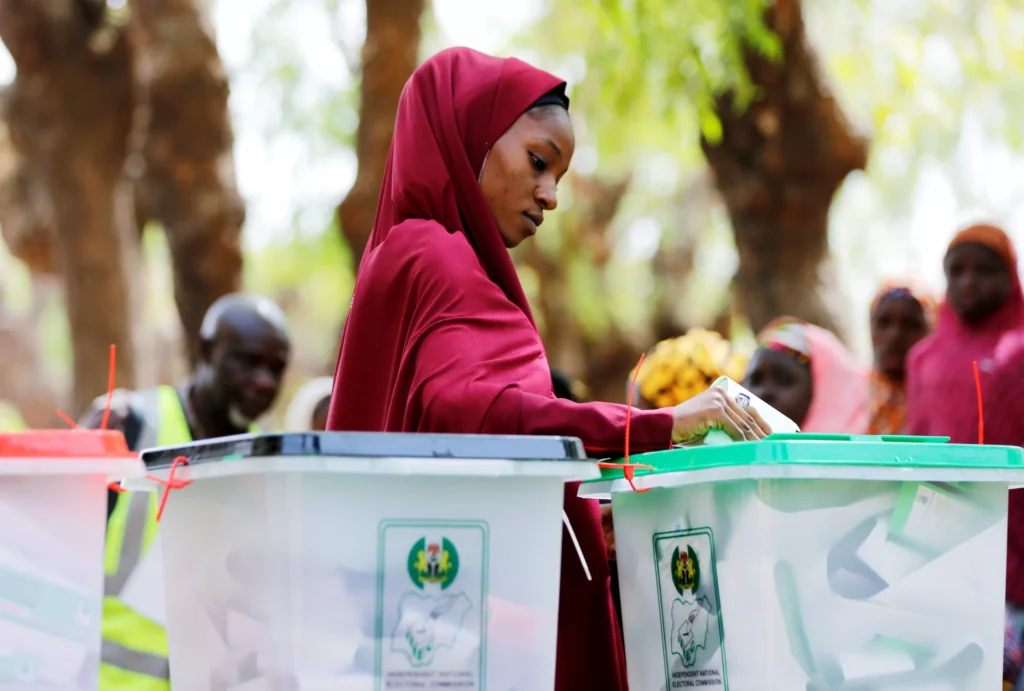
Digital voter registration and identity verification
One of the most visible ways technology has transformed voting is through digital voter registration. In Nigeria, the move from handwritten registers to biometric registration has dramatically reduced multiple registrations and ghost voters. By capturing fingerprints and facial data, electoral authorities are now better equipped to ensure that each voter is registered once and only once.
This shift has had a ripple effect across the electoral process. Accurate voter databases improve planning, reduce logistical waste, and strengthen public confidence in the voters’ register. Citizens are also able to verify their registration details online, making the process more transparent and accessible than in previous decades.
Biometric verification on election day further reinforces this system. Devices used at polling units help confirm a voter’s identity before a ballot is issued. While technical failures and network issues have occasionally caused delays, the overall impact has been a reduction in impersonation and electoral fraud.
Beyond Nigeria, countries such as Ghana, Kenya, and South Africa have adopted similar systems, each refining the technology based on local realities. These experiences show that while digital registration is not a cure-all, it is a foundational step toward cleaner elections.
Electronic voting tools and election day technology
Election day itself has undergone significant technological change. Although Nigeria still relies on paper ballots, technology now supports key stages of the voting process. Smart card readers and voter accreditation devices have altered how polling units operate, shifting power away from manual discretion toward verifiable systems.
The introduction of electronic accreditation has helped reduce incidents of overvoting and ballot inflation. When the number of accredited voters is digitally recorded, it becomes harder to justify results that exceed turnout. This alone has changed the behaviour of political actors who once relied on loopholes in manual systems.
In other parts of the world, electronic voting machines are used to cast votes directly. While this approach promises speed and efficiency, it also raises concerns about hacking, system failures, and auditability. Nigeria has so far taken a cautious path, maintaining physical ballots while integrating technology in supportive roles.
This hybrid approach reflects a broader global debate. Many experts argue that technology should enhance, not replace, trust. In societies where public confidence in institutions is still developing, visible paper trails remain important. The challenge is finding the right balance between innovation and reassurance.
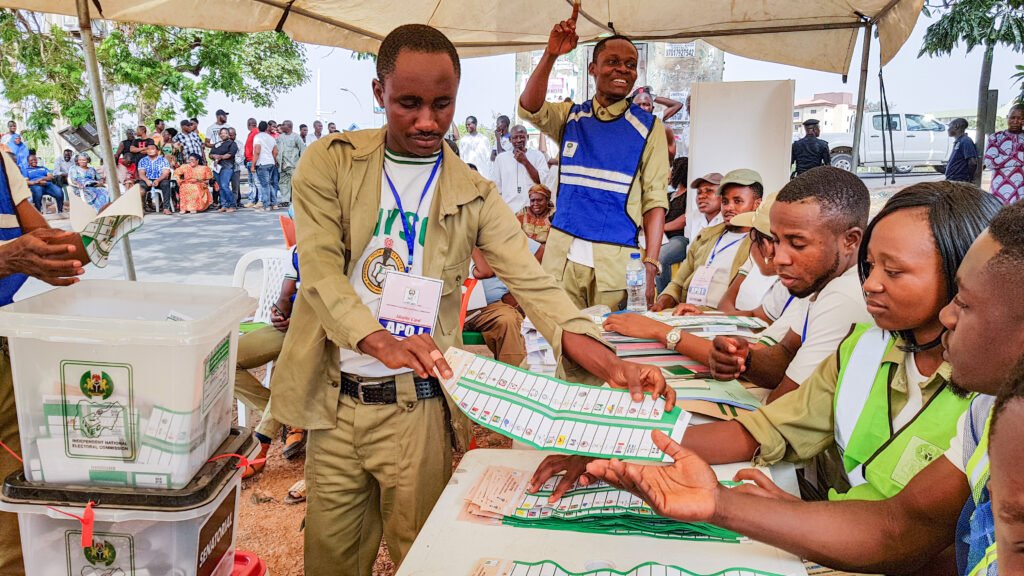
Result transmission, transparency, and public trust
Perhaps the most transformative use of technology in modern elections is electronic result transmission. In Nigeria, the ability to upload polling unit results directly to a central portal has reshaped how elections are monitored and contested. Citizens, journalists, and observers can now view results from individual polling units in near real time.
This transparency has reduced the mystery that once surrounded collation centres. It also has limited opportunities for results to be altered during physical movement from polling units to higher levels of collation. While disputes and legal challenges still occur, the evidence base has become stronger and more accessible.
For voters, this visibility matters. Seeing results uploaded from their own polling unit builds a sense of ownership and participation. It reassures citizens that their votes were counted where they were cast. For political parties, it raises the cost of manipulation and shifts focus toward genuine mobilisation.
However, technology has also introduced new challenges. System glitches, delayed uploads, and allegations of selective compliance have sparked public debate. These issues highlight an important truth. Technology alone cannot guarantee credible elections. Institutions, training, accountability, and political will remain essential.
The future of voting in a digital democracy
As technology continues to evolve, the future of voting will likely involve deeper digital integration. Online voter education platforms, real-time election monitoring dashboards, and improved data analytics are already shaping how elections are planned and evaluated. In the longer term, discussions around remote or online voting may gain traction, especially for diaspora populations.
For Nigeria and similar democracies, the path forward must be deliberate. Investments in infrastructure, cybersecurity, and staff training are critical. Equally important is public communication. Voters need to understand how systems work, what their limitations are, and how issues are resolved.
Trust is the currency of elections. Technology can strengthen that trust when deployed transparently and competently, but it can also undermine confidence if mismanaged. The lesson from recent electoral cycles is not that technology is the enemy or the saviour. It is a tool, powerful but imperfect.
Ultimately, the transformation of voting through technology is about making democracy more resilient. It is about ensuring that every eligible voter can participate, that every valid vote is counted, and that outcomes reflect the will of the people. As Nigeria continues this journey, the choices made today will shape the credibility of elections for generations to come.
Join Our Social Media Channels:
WhatsApp: NaijaEyes
Facebook: NaijaEyes
Twitter: NaijaEyes
Instagram: NaijaEyes
TikTok: NaijaEyes