
As self-driving cars shift from concept to concrete reality, 2025 is quickly shaping up as a watershed year for autonomous mobility. With multiple launches and regulatory moves in recent days, the rollout of robotaxis and self-driving trucks is accelerating, and so is public scrutiny.
A Surge in Robotaxi Activity
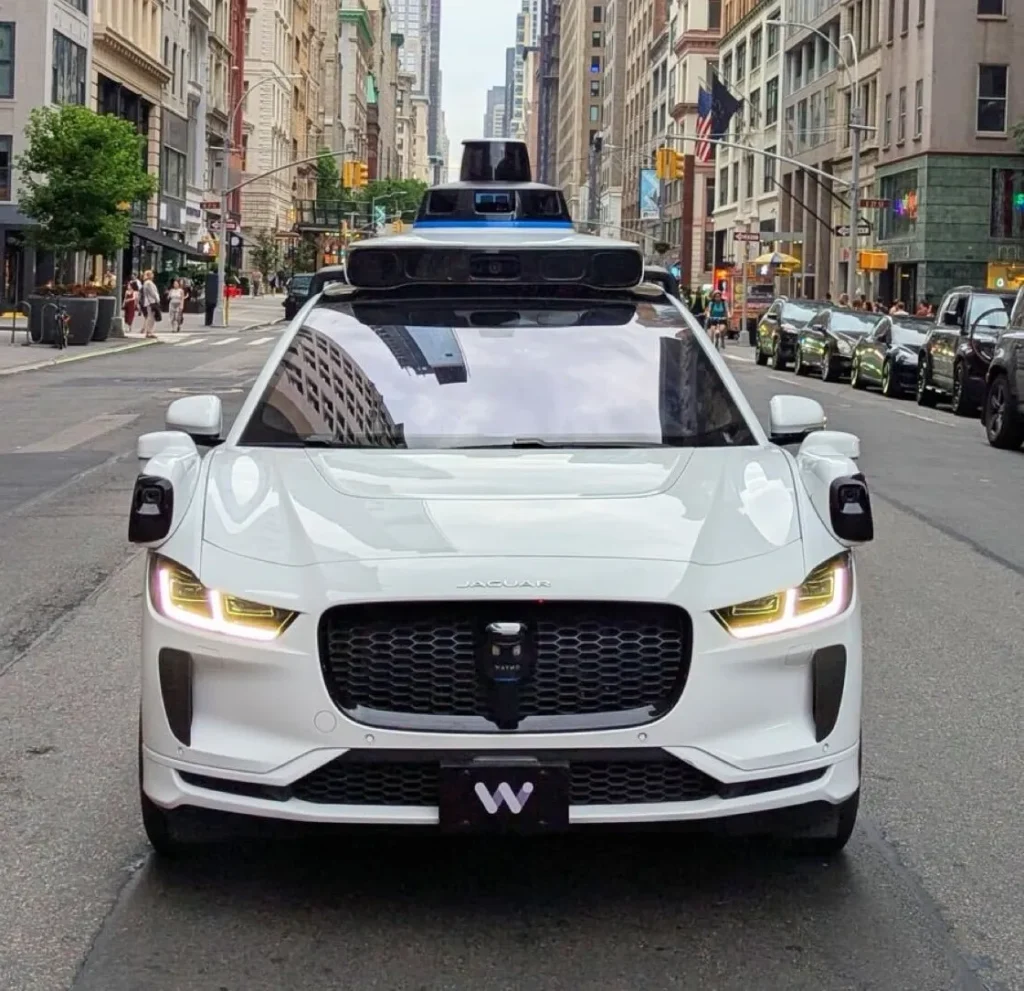
This week alone, a flurry of developments underlines how rapidly autonomous vehicles are being deployed across U.S. cities. Waymo has begun testing its autonomous vehicles in Philadelphia with a safety monitor on board, and is preparing to begin manual-driving data collection runs in Baltimore, St. Louis and Pittsburgh, according to TechCrunch.
Meanwhile, Uber, in partnership with Avride, has launched a robotaxi service in Dallas. At first, these robotaxis will include a human safety operator behind the wheel, but the plan signals a clear intention to scale autonomous mobility as demand grows.
Beyond passenger cars, the regulatory environment is shifting too. The California Department of Motor Vehicles recently released revised rules that permit companies to test, and potentially deploy, self-driving trucks on public highways.
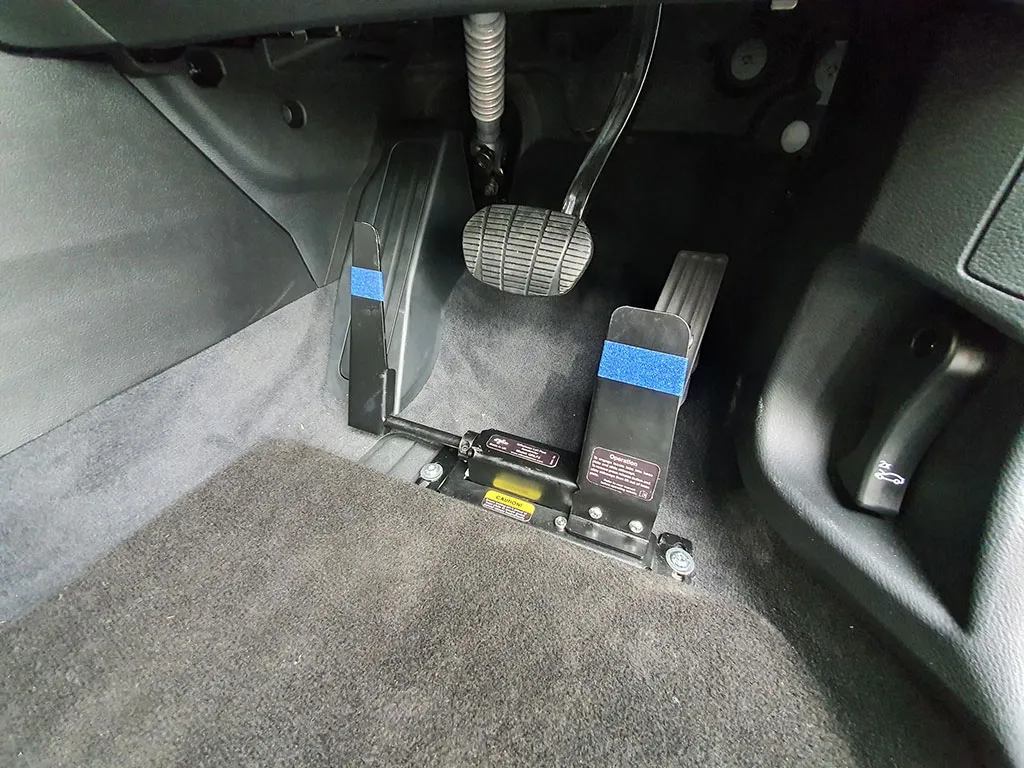
Taken together, these moves reveal that autonomous vehicle technology is no longer experimental fluff. The accelerator is indeed on the floor.
Red Flags: Safety, Incidents and Questions
With rapid deployment comes increased pressure on safety and accountability. Some recent events have triggered widespread concern.
The National Highway Traffic Safety Administration (NHTSA) has formally asked Waymo for detailed information about its self-driving systems and broader operations. This request follows reports from the Austin School District that Waymo’s robotaxis illegally passed school buses 19 times this year, a troubling pattern that has prompted an official investigation.
In a separate incident earlier this year, a cat named “KitKat” was hit and killed by a Waymo robotaxi. The episode already stirred criticism, and has resurfaced in public debate after surveillance footage emerged showing a woman trying to lure the cat to safety just before the vehicle drove off.
These incidents raise serious questions about whether the current pace of deployment is outstripping the maturity of the technology, and whether regulators, companies and the public are ready to handle the fallout when things go wrong.
Why Companies Are Pushing Hard
For players like Waymo, Uber, and Avride, the push toward deployment makes sense. The cost of autonomous mobility is coming down; with robotaxi programmes now extending to multiple cities, companies see a path to scale that could eventually undercut the cost of traditional ride-hailing or public transport.
The emerging regulatory environment is also encouraging. With agencies like the California DMV relaxing rules for self-driving trucks, companies have room to explore commercial applications beyond urban robotaxis, including freight and logistics.
From an investor perspective, backing autonomous mobility has become a bet on the long-term transformation of how people and goods move. For firms that nail the technology and safety balance, the potential is enormous.
What It Means for the Rest of the World – And for Nigeria
Though these developments are unfolding thousands of miles away, they matter globally, including for places like Nigeria. As autonomous vehicle technology gains momentum, we may soon see ripple effects in how governments, regulators and transport sectors in Africa respond to the promise of AV.
For cities like Lagos or Abuja, where traffic congestion, road safety and inefficient public transport already take heavy economic and human tolls, the idea of self-driving vehicles might seem like science fiction. But with global players doubling down now, countries on the outside watching should begin laying the groundwork: enacting regulations, exploring pilot programmes and evaluating infrastructure needs.
On the other hand, the safety incidents tied to deployments in the U.S. underline that adoption must come with caution. It would be reckless for regulators or urban planners to rush into deployment without robust safety, accountability and adaptation to local traffic conditions, which are often very different from U.S. city streets.
Adoption without adaptation risks tragedy, confusion or public backlash.

A Crossroads Moment
We are now at a crossroads in the history of mobility. Autonomous vehicle deployment is accelerating impressively, but the technology remains imperfect, and the stakes, human lives.
Companies are pushing forward, regulators are loosening restrictions, and cities are becoming battlegrounds for what may be the next big revolution in transport.
But with that rush comes responsibility. Before the world hits what some may call the “tipping point” for autonomous mobility, there must be clear standards, thorough oversight and public trust.
As the accelerator stays pressed to the floor, the journey ahead must be one of balance, between ambition and caution, speed and safety, enthusiasm and responsibility.
Only then can self-driving cars truly become a steady, reliable part of how we move about our world.
Join Our Social Media Channels:
WhatsApp: NaijaEyes
Facebook: NaijaEyes
Twitter: NaijaEyes
Instagram: NaijaEyes
TikTok: NaijaEyes