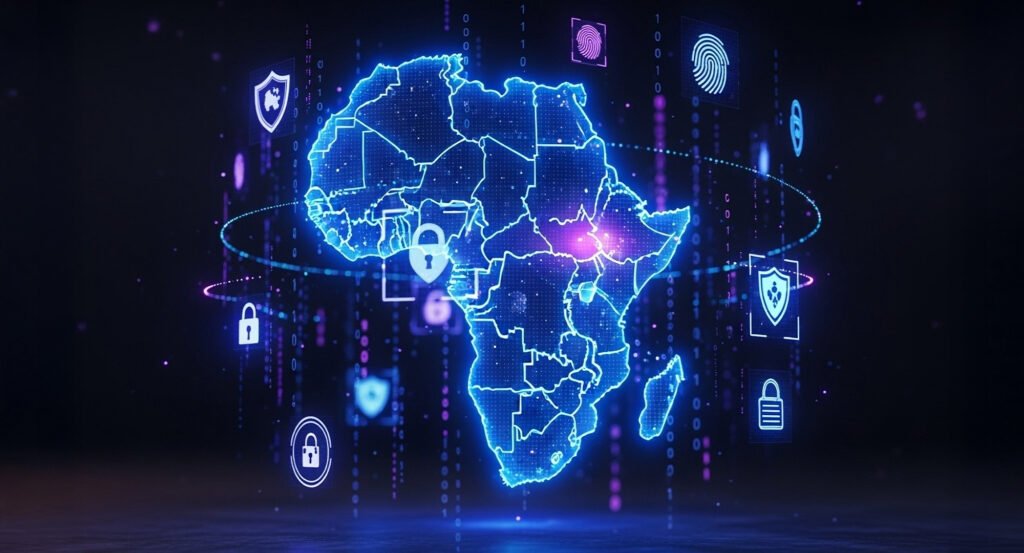

Africa’s digital economy is expanding at an unprecedented pace, bringing new opportunities for businesses, governments and millions of young people. From digital banking and online education to e-commerce and artificial intelligence, technology has become deeply woven into everyday life across the continent. However, this rapid digital transformation has also exposed organisations and individuals to a growing wave of cyber threats, creating an urgent need for skilled cybersecurity professionals.
As cyberattacks become more frequent and sophisticated, educational institutions, governments and technology companies are investing heavily in cybersecurity training to prepare a workforce capable of protecting digital infrastructure. Across Africa, cybersecurity is no longer viewed as a niche technology discipline. It is increasingly recognised as an essential skill for economic growth, national security and digital trust.
The demand is particularly evident among young Africans seeking careers that offer global opportunities. Online learning platforms, specialised academies and universities have reported growing enrolment in cybersecurity programmes as students look beyond traditional degrees towards practical, industry-recognised skills. Employers are also placing greater emphasis on hands-on experience, professional certifications and demonstrable technical competence rather than academic qualifications alone.
This shift is driven by necessity. Financial institutions, telecommunications firms, healthcare providers, government agencies and educational institutions are all increasing investments in cybersecurity as they face rising risks from ransomware, phishing attacks and data breaches. As organisations digitise their services, the need for professionals who can secure networks, detect threats and respond to cyber incidents continues to grow.
Cybersecurity Skills Becoming One of Africa’s Most Valuable Assets
The cybersecurity skills gap is emerging as one of Africa’s biggest workforce challenges. While demand for security professionals continues to rise, the supply of qualified experts has struggled to keep pace.
Several international organisations have warned that Africa must significantly strengthen digital skills development to support economic transformation. UNESCO, UNICEF and the African Union recently highlighted the importance of equipping young people with future-ready competencies, including digital and technology skills, as countries prepare for the next phase of educational development across the continent.
Technology companies are responding by expanding access to affordable training. Google, for example, launched thousands of scholarships for its Cybersecurity Certificate programme to help learners across Sub-Saharan Africa gain job-ready cybersecurity skills. The initiative reflects growing recognition that practical digital education can help reduce unemployment while strengthening cyber resilience across the region.
At the same time, governments and development partners are supporting regional initiatives that train young people in cybersecurity, digital safety and online resilience. Programmes across West and Central Africa are equipping participants with technical expertise while encouraging them to use digital knowledge to strengthen communities and promote secure digital environments.
Industry experts also believe employers are gradually moving towards skills-based recruitment. Rather than relying solely on university degrees, organisations increasingly value candidates who can demonstrate practical experience through cybersecurity labs, certifications, competitions and real-world projects.

Why Nigeria and Other African Countries Must Invest More in Cybersecurity Education
Nigeria’s fast-growing technology ecosystem makes cybersecurity education especially important. The country’s expanding fintech industry, thriving startup ecosystem, digital government services and growing online population have all increased the need for qualified cybersecurity professionals.
Educational institutions are beginning to respond by introducing specialised programmes, while private training providers are expanding access to certification courses and boot camps. However, experts argue that much more investment is required to meet industry demand.
Many African countries continue to face shortages of experienced cybersecurity instructors, modern laboratories and practical training environments. Bridging these gaps will require stronger collaboration between universities, governments, private sector employers and international partners.
Hands-on learning is becoming increasingly important because cybersecurity cannot be mastered through theory alone. Students need opportunities to work with simulated attacks, incident response exercises, ethical hacking environments and cloud security platforms to prepare for real workplace challenges.
Beyond technical knowledge, cybersecurity education is also helping create awareness among everyday internet users. Schools, businesses and public institutions are increasingly recognising that human error remains one of the biggest causes of successful cyberattacks. As a result, digital literacy and cybersecurity awareness are becoming essential life skills rather than specialised knowledge reserved for technology professionals.
Back Story
Africa’s focus on cybersecurity education has developed alongside the continent’s broader digital transformation agenda.
Years before cybersecurity became a mainstream career option, organisations such as the International Finance Corporation projected that millions of jobs across Sub Saharan Africa would require digital skills by 2030, creating a multibillion-dollar opportunity for education providers and investors.
Since then, the rapid adoption of mobile banking, cloud computing, artificial intelligence and online public services has accelerated demand for professionals capable of protecting digital systems.
Recent reports also show that online learning across Africa continues to grow rapidly as more young people seek practical technology skills that improve employability. Cybersecurity consistently ranks alongside artificial intelligence, cloud computing and data analytics as one of the continent’s fastest-growing areas of interest.
Looking ahead, analysts believe cybersecurity education will become one of the defining pillars of Africa’s digital future. Countries that invest early in developing skilled cybersecurity talent will be better positioned to attract technology investment, strengthen digital economies and protect citizens from increasingly sophisticated cyber threats. As digital transformation continues to reshape Africa, cybersecurity education is quickly evolving from an optional career path into a strategic necessity for sustainable economic development.