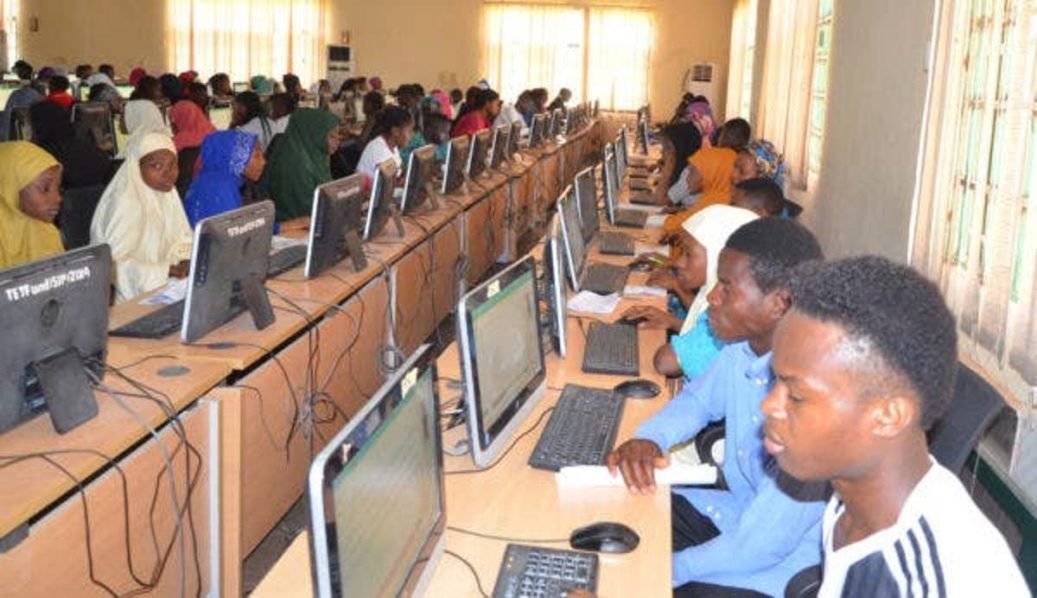
In recent years, Computer-Based Testing (CBT) has become the standard for major examinations across Nigeria, especially for university admissions and professional assessments. On paper, it promises efficiency, transparency, and a reduction in malpractice. But for thousands of students in rural communities, the reality is far more complicated. Behind the digital interface lies a growing burden that is quietly reshaping access to education.
Table of Contents
The Journey to Write an Exam
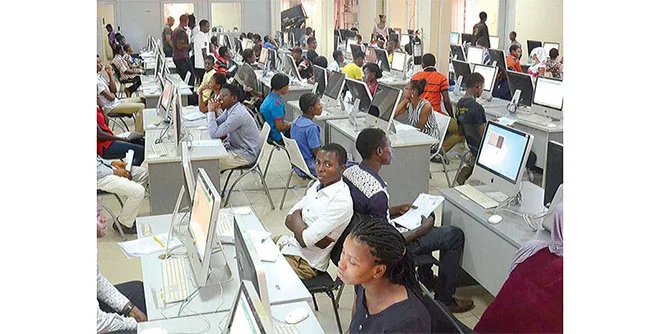
For many rural students, sitting for a CBT exam is not just about preparation or intelligence. It often begins with a journey.
In several parts of Northern and central Nigeria, candidates travel long distances to reach accredited CBT centres, sometimes covering over 100 kilometres just to sit for a single exam. These trips are not just physically exhausting; they come with financial consequences that families already struggling with inflation must bear.
Transport fares, feeding, and in some cases accommodation quickly add up. A student may need to leave home a day early to avoid missing their exam slot, especially where poor road networks or insecurity make same-day travel risky. What should be a routine academic exercise turns into a mini-expedition.
Parents, many of whom depend on daily income, often sacrifice workdays to accompany younger candidates. In extreme cases, the cost of simply accessing the exam centre becomes higher than the registration fee itself.
Digital Divide and Unequal Starting Points
Beyond the financial burden lies a deeper issue: inequality.
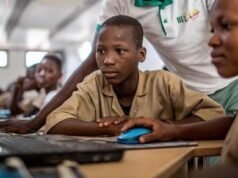
CBT assumes a level of digital familiarity that many rural students simply do not have. While their urban counterparts grow up using computers, smartphones, and internet services, students in rural schools often encounter a computer for the first time during exam preparation.
Research has shown that limited exposure to technology can negatively affect performance in computer-based exams, even when students understand the subject matter.
This gap creates an uneven playing field. A brilliant student from a village school may struggle not because they lack knowledge, but because they are unfamiliar with navigating a mouse, reading from a screen, or managing time in a digital interface.
Even access to practice is limited. Many rural schools lack functional computer labs, and private CBT practice centres are often located in urban areas, further increasing costs.
The result is a system where success is influenced not only by academic ability but by exposure to technology.

Infrastructure Challenges and Hidden Expenses
The challenges do not end with access or familiarity. Infrastructure remains a major obstacle.
CBT depends heavily on stable electricity, reliable internet connectivity, and well-maintained equipment. In many parts of rural Nigeria, these essentials are inconsistent or completely absent.
Power outages during exams, slow systems, and network failures are not uncommon. For students who have travelled long distances and spent significant money, such disruptions can be devastating.
There are also indirect costs that are rarely discussed. Students often pay for extra tutorials specifically designed to teach CBT navigation. Some pay for repeated practice sessions just to gain confidence using a computer.
When all these are added together, the real cost of a CBT exam becomes much higher than what is officially advertised.
The Way Forward for Inclusive Digital Testing
Despite these challenges, CBT is not without its benefits. It has helped reduce examination malpractice and improved the speed and efficiency of result processing.
However, for the system to be truly fair, it must account for the realities of rural Nigeria.
One solution is decentralisation. Bringing CBT centres closer to rural communities would significantly reduce travel costs and stress. Mobile testing units or community-based centres could help bridge this gap.
Investment in digital infrastructure is equally important. Rural schools need functional computer labs, stable electricity, and trained teachers who can introduce students to technology early.
There is also a need for targeted training programmes. Familiarity with computers should not be left until exam season. It should be integrated into the learning process from the secondary school level.
Finally, policymakers must recognise that access is not just about availability. It is about affordability, exposure, and fairness.
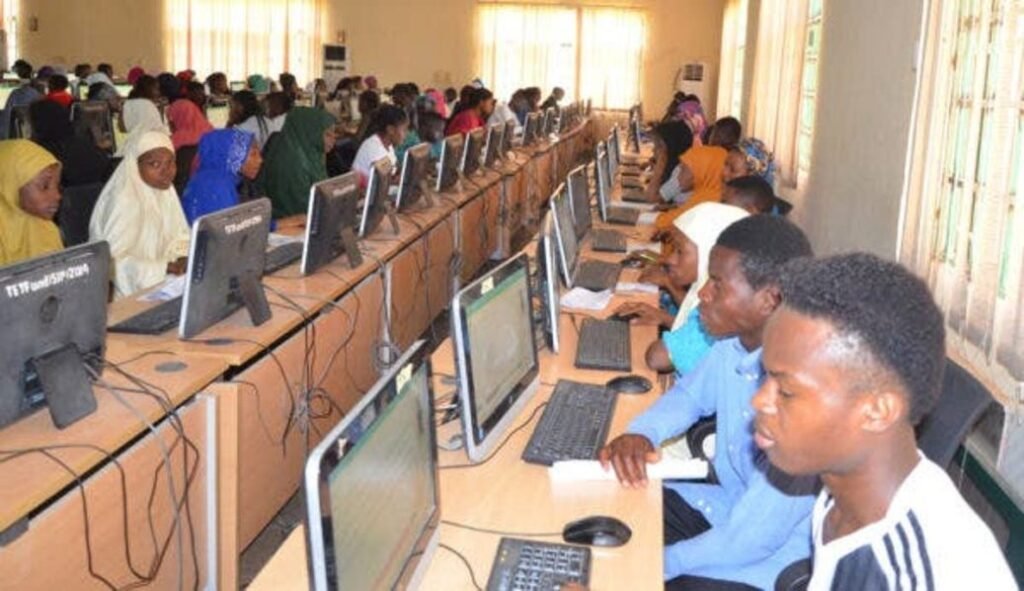
The shift to digital examinations represents progress, but progress that leaves a large portion of students behind cannot be called success. Until the hidden costs are addressed, CBT exams will continue to widen the gap between urban and rural education in Nigeria.
For many students in rural communities, the question is no longer just about passing an exam. It is about whether they can even afford to take it.
Join Our Social Media Channels:
WhatsApp: NaijaEyes
Facebook: NaijaEyes
Twitter: NaijaEyes
Instagram: NaijaEyes
TikTok: NaijaEyes
READ THE LATEST EDUCATION NEWS