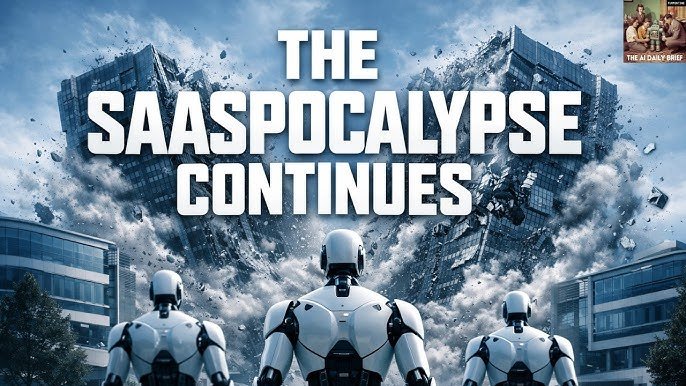
The global software industry is roiled by a new wave of disruption now being called the SaaSpocalypse by investors, founders, and market analysts. What started as mild unease about artificial intelligence becoming more capable than traditional tools has ballooned into a broader questioning of what the future of software looks like. For decades, the Software as a Service model was the backbone of enterprise tech; now it is in the crosshairs of powerful, autonomous AI systems that may be rewriting the rules of digital business, according to TechCrunch.
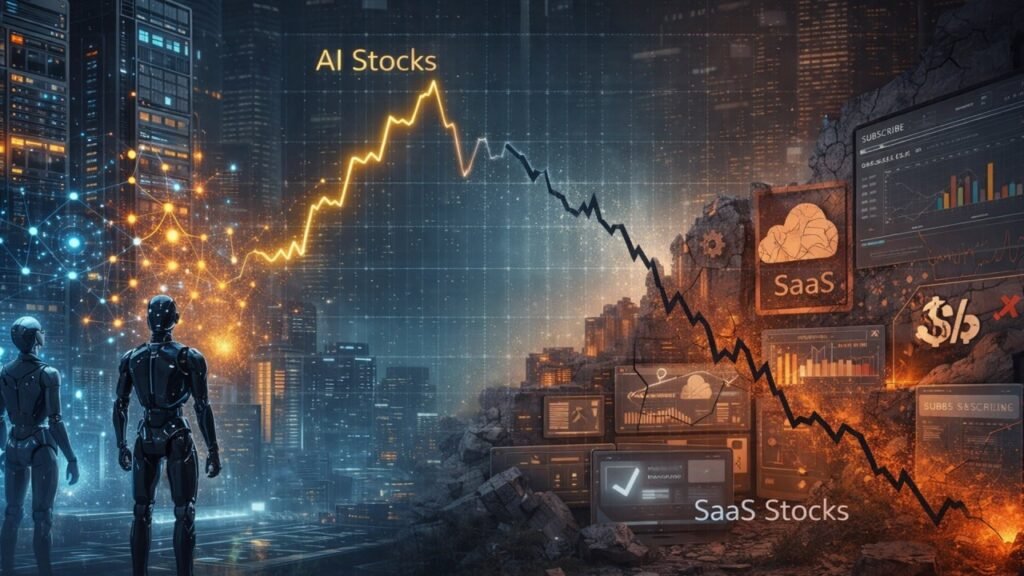
Table of Contents
What Is Happening in the SaaS Industry
The concept of the SaaSpocalypse captures a deep shift in how software is bought, sold, and used in organisations around the world. Traditionally, companies purchased SaaS products on a per‑seat basis, where each employee requiring access to customer relationship management, accounting, project tracking or other functions would count as a seat generating predictable recurring revenue. This subscription model was lauded for its scalability, strong profit margins and reliable cash flow.
But innovative AI tools like coding agents are changing this calculus. These AI agents can write and deploy software themselves, automate complex workflows, and reduce the need for humans to engage with traditional SaaS interfaces. Instead of paying per seat for an expensive CRM system, a company could let an AI agent handle the tasks directly, drastically cutting down both software licences and human hours required.
This has sparked fear among investors that the core SaaS business model itself may no longer hold the value it once did. In early 2026, public markets experienced significant sell‑offs in software stocks as this new wave of automation intensified. In fact, the total value wiped from enterprise software equities reached close to $1 trillion, marking one of the sharpest downturns in the sector’s history.
Why the Business Model Is Under Pressure
Central to this shift is how enterprises now approach software investment decisions. Historically, companies bought SaaS solutions because building and maintaining in‑house systems was costly and slow. Today, with highly capable AI agents available, the build versus buy decision is less clear‑cut. Developers and technical teams can leverage these agents to create tailored solutions faster and cheaper than ever before.
For instance, some firms have already replaced major SaaS platforms with homegrown AI systems that perform similar tasks. This weekend’s disruption isn’t just theoretical hype; it is playing out in real vendor relationships and contract negotiations. When companies feel confident they can replicate or improve on what a SaaS vendor provides with AI alone, the leverage during renewal conversations shifts dramatically in their favour.
Another driver of this transformation is how AI tools replicate not only basic functions of SaaS offerings but also advanced features. In the past, add‑on tools and premium modules were key drivers of revenue growth for SaaS vendors. Now AI systems can mimic those add‑on capabilities within larger automated workflows, undermining a major source of industry growth.
Emerging pricing models like consumption‑based fees or outcome‑based pricing are also reshaping expectations. Instead of paying based on user count, organisations may prefer models where they pay only for the results the software delivers or the volume of tasks completed by AI. This is a dramatic departure from traditional SaaS revenue logic.
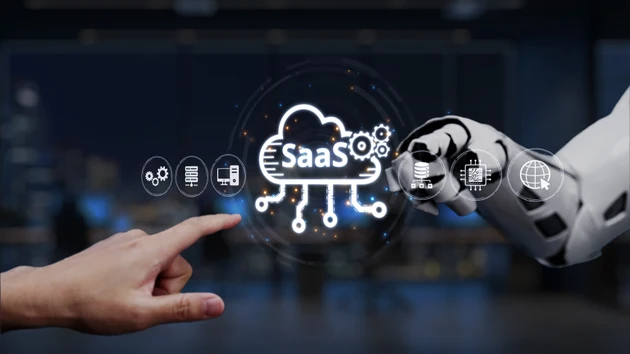
Broader Market and Investment Reactions
The volatility sparked by this shift has been striking. Software stocks — once regarded as stable, high‑growth investments — have shed large portions of their valuations. Part of this is linked not only to AI empowerment but also to a broader reassessment of SaaS growth prospects following years of slowing expansion, even before AI became a headline topic.
The decline in SaaS valuations is not uniform. Some firms with deep AI integration and unique data advantages have weathered the storm better, while others reliant on the old subscription model have seen sharper drops. Investment sentiment is now divided, with some market watchers calling this moment a genuine transformation and others suggesting it may be an overreaction that will stabilise once the dust settles.
Late‑stage private companies are feeling the chill too. Fewer SaaS companies are moving towards initial public offerings, in part because unstable public market conditions have made it unattractive to expose their valuations and operating metrics to that sort of scrutiny. Many large private firms are choosing to stay private longer rather than risk entering a market prone to abrupt swings.
At the same time, some of the most prominent AI developers are rumoured to be exploring their own public listings, which could further shift investor attention away from conventional SaaS. While these moves may represent confidence in the future of AI‑driven tools, they also reflect a market re‑orientation around a new breed of enterprise technology.
What This Means for the Future of Enterprise Software
Despite all the noise about a collapsing industry, many experts believe this is not the end of SaaS but rather an inflexion point. Historically, tech disruptions do not wipe out demand entirely but instead force reinvention. SaaS companies are already experimenting with hybrid pricing, usage‑based models, and deeper AI integration to remain relevant.
Some investors and founders view the current climate as a shed skin moment where outdated practices are replaced by new approaches that align with evolving technological capabilities. If AI agents become key intermediaries that interact with underlying software systems, SaaS vendors must adapt by embedding AI deeply into their stacks or risk becoming peripheral.
Durability in this new environment may come from software that meets strict compliance needs, supports complex workflows with robust tracing and audit capabilities, or builds deep, proprietary data insights that are not easily replicated by general‑purpose AI. In other words, fundamentals rather than hype will determine which companies thrive.
The story of the SaaSpocalypse reflects a broader truth about technological evolution: periods of disruption create anxiety, but they also create opportunity. Firms that embrace agility, redefine value propositions around outcomes rather than seats, and leverage AI to enhance rather than replace core capabilities are likely to be the ones writing the next chapter of enterprise technology.
The emerging landscape is one where software is no longer just a service people subscribe to. It is an intelligent partner that automates, adapts, and amplifies work through advanced AI. Navigating this shift will require thoughtful leadership, swift strategic pivots, and a deep understanding of how value is delivered in the AI era.
Join Our Social Media Channels:
WhatsApp: NaijaEyes
Facebook: NaijaEyes
Twitter: NaijaEyes
Instagram: NaijaEyes
TikTok: NaijaEyes