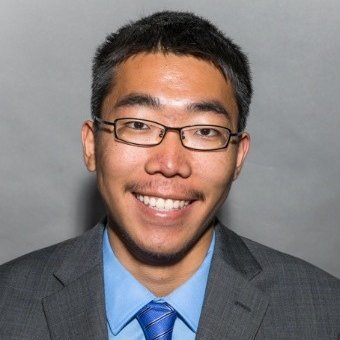
For many young researchers around the world, being part of work that shapes the future of technology is a dream. Today, that dream is reality for Tiancheng Hu, a Gates Cambridge Scholar whose voice is now part of a major international effort to help the world understand and address critical issues in artificial intelligence safety. On 6 February 2026, the Gates Cambridge Trust announced that Hu played a meaningful role in the International AI Safety Report 2026, a major scientific assessment of the risks and capabilities of advanced AI, as reported by the Gates Cambridge.
This report brings together over 100 independent scholars and specialists from multiple continents and disciplines. These contributors include Nobel laureates, top researchers in computer science, policymakers, and experts nominated by international organisations such as the European Union, the Organisation for Economic Co-operation and Development and the United Nations. Their collective work forms an evidence-based foundation on how advanced AI systems behave today and how societies can approach their safe development and deployment.
Professor Yoshua Bengio, a world-leading AI scientist who chaired the project, highlighted the fast pace of AI innovation. He pointed out that scientific knowledge often struggles to keep up with rapid technological change. The report aims to bridge this gap by equipping governments, researchers and the public with data and evidence on how AI is evolving and where potential risks lie.

Understanding the International AI Safety Report by Gates Cambridge
The International AI Safety Report is a big step forward for global cooperation on one of the most pressing technological issues of our time. It is intended to be a reliable foundation for policymakers and experts worldwide, rather than a set of policy prescriptions. The document focuses on general-purpose AI systems, which are advanced software models with broad capabilities such as generating language, analysing images, and performing complex decision-making tasks.
The report was developed by a large network of researchers and review teams supported by international organisations and national governments. These experts analysed a wide range of evidence on how AI technologies function, the kinds of risks they pose, and strategies that are currently available to manage these risks. The idea is not to slow down innovation but to ensure that countries and institutions have the best possible information as they shape laws, standards and research priorities.
While the report makes its findings public, it stops short of making specific laws or strict regulations. Instead, it provides insight into where more research is needed and where international understanding is strongest or weakest. For example, it explores what AI systems currently do well, the ways risks might materialise in the near future, and the methods that might be effective in keeping these technologies safe for all users.
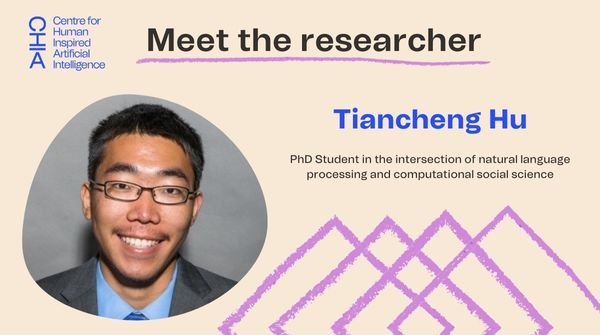
Gates Cambridge Scholar, Tiancheng Hu and the Value of Evidence-Based AI Dialogue
Tiancheng Hu’s participation came through his work on the “Current Capabilities” section of the report. As a PhD scholar in Computation, Cognition and Language at the University of Cambridge, he brought detailed technical analysis to a part of the report that is critically important. Hu examined what AI systems can do now, highlighting the strengths and limitations of cutting-edge models in real-world scenarios.
For Hu and many of his peers, the experience has been more than academic. It has reinforced the value of responsible research that is grounded in solid evidence. In the face of public debates and media noise about AI, experts like him hope the report will help reduce misperceptions and provide clarity to communities and decision makers alike. This includes people in government, civil society and industry who are trying to navigate a rapidly shifting digital landscape.
The collaborative nature of the project also highlights the importance of cross-border cooperation in technology matters. With contributors from 30 countries, the report reflects a diversity of perspectives and attempts to ensure that knowledge generated in one region is accessible and useful to others. This is a powerful signal that AI safety is not just a concern of a few wealthy nations but a shared global challenge.
The Future of AI Safety and Global Discourse
The release of the International AI Safety Report has already influenced academic and policy circles. Experts who were part of the process note that the report has been cited in many scientific studies, indicating its value as a resource for ongoing research. The report’s emphasis on evidence and shared understanding could shape discussions at major international forums, including upcoming AI summits and multilateral negotiations.
For young scholars like Hu, this kind of work demonstrates the growing role of African and global voices in fields historically dominated by a few institutions. It also provides inspiration for future researchers who want to contribute meaningfully to challenging global problems. Hu’s inclusion in the writing group sends a strong message about the importance of diverse perspectives in building a clear picture of where AI technologies are heading and how societies can prepare for their impacts.
As AI continues to transform economies, labour markets, education, health care and governance, global cooperation on safety and ethical use will become even more essential. The International AI Safety Report is one of the first major steps in a journey that will require sustained effort, continuous monitoring of technological progress and open dialogue between researchers, policymakers and the general public.
In a world where AI capabilities are accelerating quickly, having reliable evidence is key to making informed decisions. Contributions from scholars like Tiancheng Hu help ensure that this evidence is built on sound research and shared across borders. It is an achievement not only for the individuals involved but also for the international community working together to shape a safer digital future.
Join Our Social Media Channels:
WhatsApp: NaijaEyes
Facebook: NaijaEyes
Twitter: NaijaEyes
Instagram: NaijaEyes
TikTok: NaijaEyes