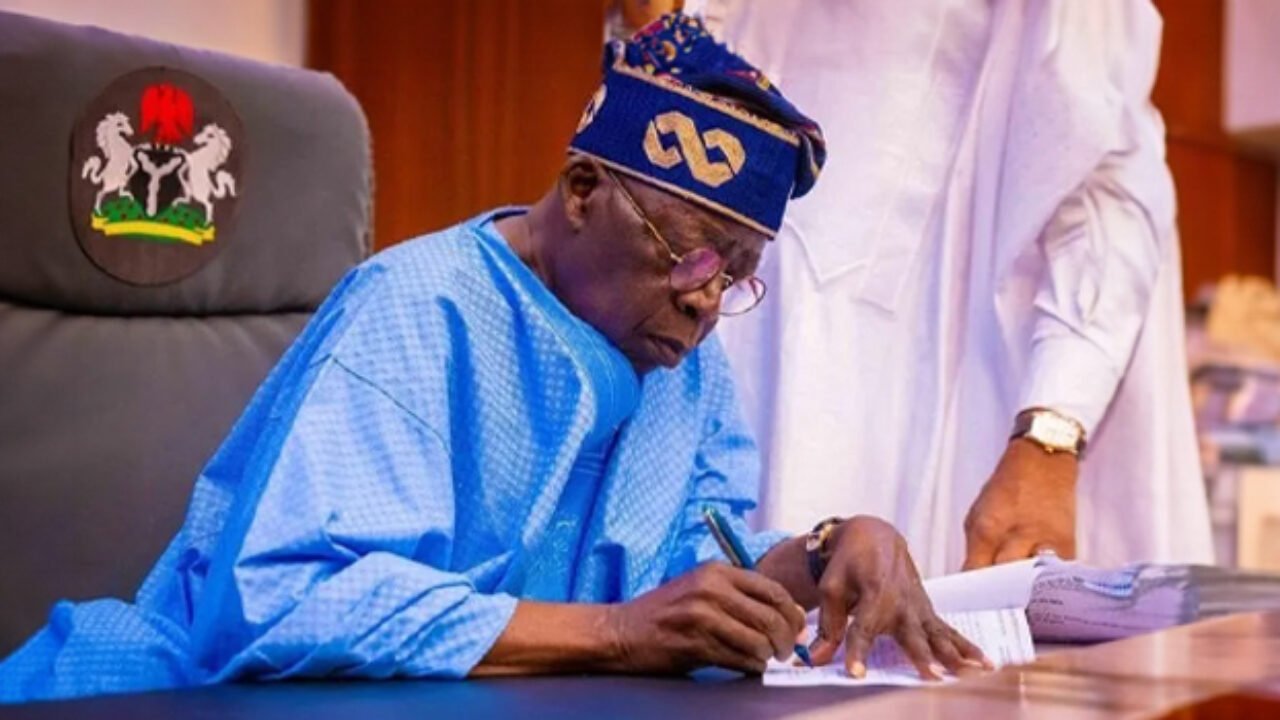
In a decisive move that reflects renewed commitment to improving education for out-of-school children across Nigeria, President Bola Ahmed Tinubu has given presidential approval for a fresh leadership team to steer the National Commission for Almajiri and Out-of-School Children Education. The announcement from the State House in Abuja has generated widespread interest and sparked discussions on the future of formal and informal learning systems in communities where Almajiri practices are common, as reported by the State House.
This new leadership is expected to build on the government’s ongoing reforms designed to bring thousands of children previously outside the structured education system into schools and skills programmes that can change their prospects. The appointments, effective immediately upon approval, signal a major policy push by the federal government to prioritise inclusive education and chart a sustainable path for children at the margins of society.
Table of Contents
A Team with Deep Experience in Education and Public Service
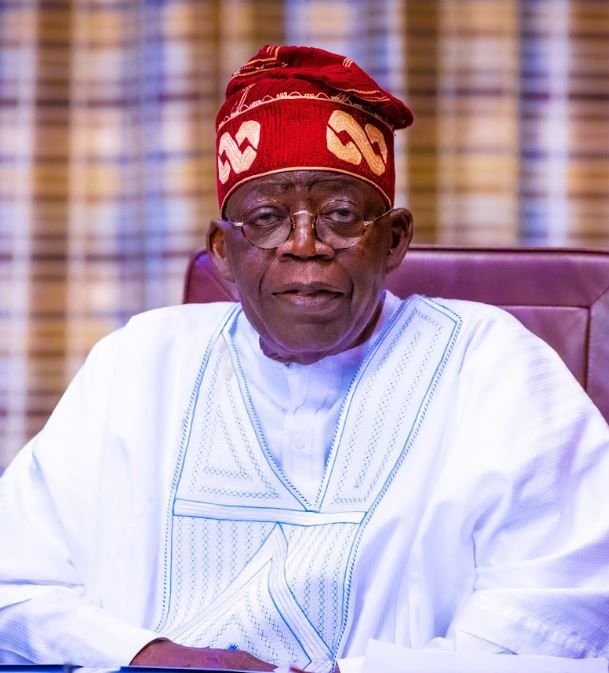
At the centre of this leadership overhaul is the appointment of Brigadier-General Lawal Ja’afar Isa (Retired) as Chairman of the Board of the Commission. A former Military Administrator of Kaduna State from 1993 to 1996, General Isa is widely respected across service and civil sectors for his leadership experience and national service. His return to public duty in this education role underlines the seriousness with which the administration views the challenges facing Nigeria’s out-of-school children.
Working alongside him is Dr. Idris Muhammad Sani, who has been named Executive Secretary and Chief Executive Officer of the Commission. Dr. Sani brings a wealth of academic and professional credentials to the role. He holds both master’s and doctoral degrees in Islamic Studies, and his career includes leading roles such as Director-General of Al-Iman School in Lafia, former Commissioner for Basic and Secondary Education in Yobe State, Chairman of the Nigerian Arabic Language Village in Borno State, and involvement in policy committees in Nasarawa State related to education and community awareness.
Both appointees bring a blend of academic rigour, administrative experience, and an understanding of the cultural context of the Almajiri system. Their selection reflects a desire to merge technical expertise with practical insight into the region-specific challenges that have historically made it harder to integrate certain children into mainstream education.
Hopes and Expectations for the Commission’s Future
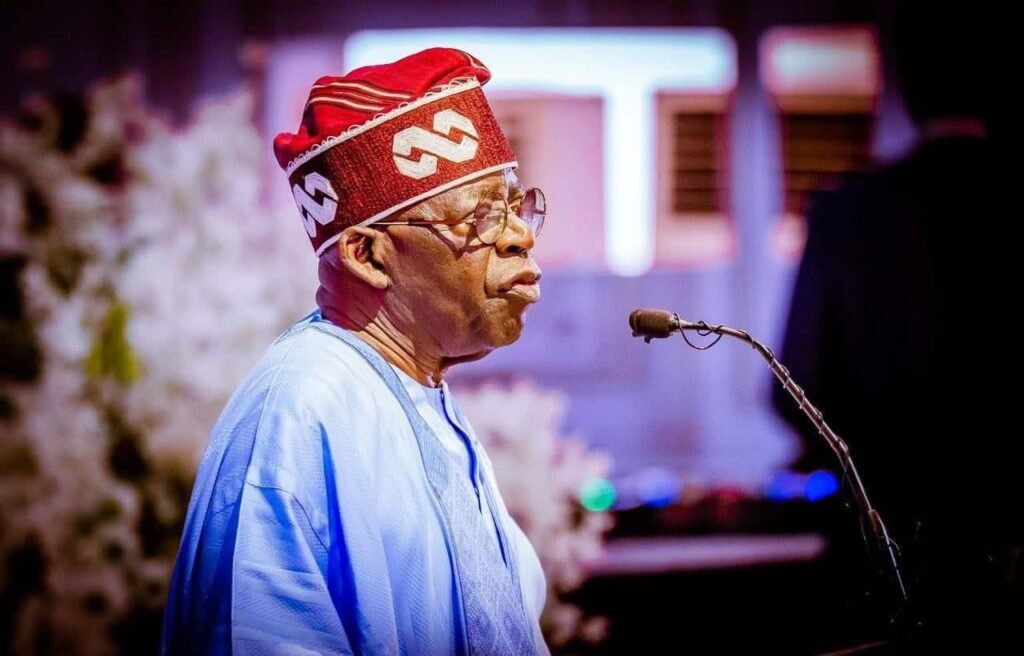
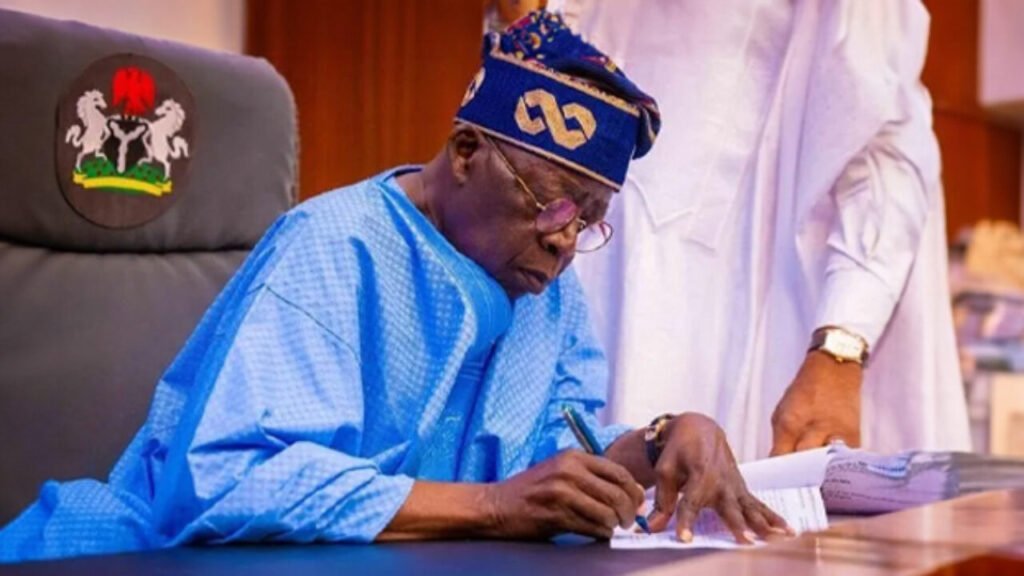
President Tinubu, in his approval statement, emphasised the importance of the Commission’s work in shaping Nigeria’s future. He urged the new leadership to apply their experience and energy toward realising the federal government’s education agenda, which places special focus on reducing the number of out-of-school children and strengthening pathways for youth development.
Education stakeholders have long highlighted the dual challenges of literacy and access for Almajiri children in northern regions. Traditionally, the Almajiri system refers to children sent by parents to study Qur’anic education with Islamic teachers. Over time, gaps in support systems and poverty have seen many of these children become marginalised, often without access to broader formal schooling. Experts see the Commission as a vital means to bridge tradition with contemporary educational opportunities that lead to skill acquisition, better livelihoods, and inclusion.
The new leadership is expected to foster collaboration between federal, state, and local authorities and civil society organisations to broaden the reach of education initiatives. There are also hopes that improved data collection, teacher training programmes, and community-based support systems will emerge under the team’s leadership.
Implications for Education Reform and National Development
Nigeria’s education sector has been under intense scrutiny in recent years as the government seeks to tackle illiteracy, unemployment and skills gaps among youth. The establishment of a well-led Commission for Almajiri and out-of-school children is part of a broader effort by the Tinubu administration to strengthen education governance and equity in access to learning.
Analysts say such leadership appointments are meaningful not only for the Commission but also for the broader perception of education reform across the country. With strategic leadership, the Almajiri Education Commission could serve as a model for addressing similar challenges in other educational initiatives that support marginalised and underserved communities.
The path ahead will require community engagement, funding commitments, and sustained political will. Many Nigerians hope that the Commission’s work will translate into concrete programmes that not only bring children into classrooms but also equip them with the skills needed to thrive in a rapidly changing economy.
President Tinubu’s selection of seasoned professionals to lead this critical institution sets the stage for renewed optimism that the Almajiri Education Commission will play a transformative role in the years ahead.
Join Our Social Media Channels:
WhatsApp: NaijaEyes
Facebook: NaijaEyes
Twitter: NaijaEyes
Instagram: NaijaEyes
TikTok: NaijaEyes
READ THE LATEST EDUCATION NEWS