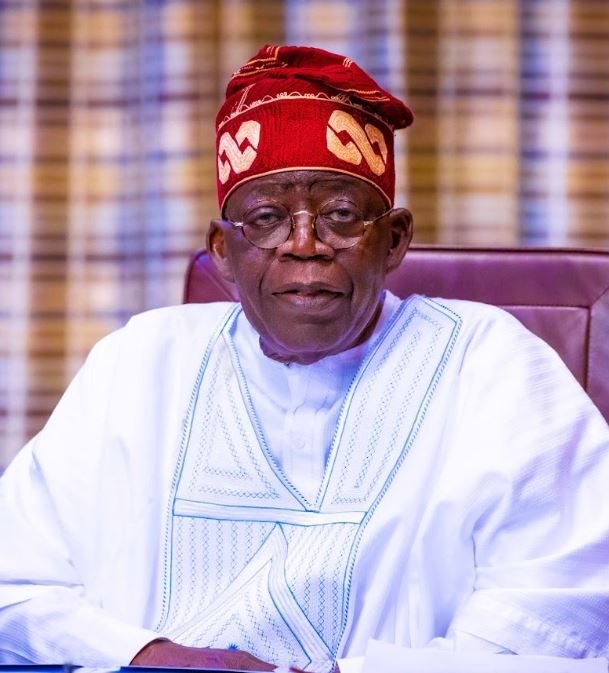
Tinubu cancels NNPCL legacy debts of $1.42bn and N5.57tn
The financial air in Abuja is buzzing today following a massive executive decision that seeks to redraw the map of Nigeria’s oil and gas economy. President Bola Ahmed Tinubu has officially approved the cancellation of a staggering debt profile owed by the Nigerian National Petroleum Company Limited to the Federation Account. We are talking about the kind of numbers that can make your head spin: $1.42 billion and a massive ₦5.57 trillion in legacy obligations.
As an editor watching the fiscal trajectory of this administration, I see this not just as a routine accounting exercise, but as a bold attempt to perform “financial surgery” on a company that has been weighed down by the baggage of the past for far too long.
The Big Move to Clean the NNPCL Balance Sheet
For many years, the relationship between the NNPCL and the Federation Account has been characterized by a lot of “he said, she said” regarding who owes who. This debt has been a major point of contention during the monthly Federation Account Allocation Committee meetings, where state governors often eye the national oil company with suspicion over unpaid revenues. By stepping in to cancel these debts, President Tinubu is effectively hitting the reset button.
The goal is simple yet profound: to clear the books so that the NNPCL can finally breathe and function as a truly commercial entity.
This move is a central part of the wider energy sector reforms aimed at making the NNPCL more attractive to global investors. You cannot invite the world to buy shares in a company that is carrying a heavy backpack of “legacy debt wahala” from decades of subsidy disputes and unpaid royalties.
The President’s intervention is designed to give the company the “liver” it needs to compete with international oil giants like Saudi Aramco or Brazil’s Petrobras.
Breaking Down the Numbers of the Debt Cancellation
When we look at the breakdown of the ₦5.57 trillion and the $1.42 billion, we are seeing the ghosts of past policies coming to light. A large chunk of these figures represents the accumulated costs of the petrol subsidy era, where the NNPCL would often withhold money meant for the Federation Account to cover the under recovery of fuel prices. By cancelling these debts, the Federal Government is acknowledging that the old system was broken and that chasing these figures might be a futile exercise in a new, deregulated era.
However, this is not just a “dash” or a free gift. The reconciliation process was rigorous, involving various stakeholders who had to agree on what was truly owed versus what was a result of systemic inefficiencies. This cleanup is expected to provide a clearer picture of Nigeria’s net position, making our national financial reports more transparent to international credit agencies and the World Bank.
Why this Fiscal Surgery Matters for Every Nigerian
To the man on the street in Lagos or Kano, these trillions of Naira might sound like abstract mathematics that doesn’t affect the price of bread. But the reality is that a healthy NNPCL is vital for national survival. When the national oil company is bogged down by debt, it struggles to invest in the very infrastructure that should bring down energy costs. If NNPCL is finally debt free, it has more capacity to invest in gas to power projects and domestic refineries, which are the real keys to ending the cycle of high fuel prices.
Furthermore, this move helps the state governments. When the NNPCL’s books are clean, the monthly distributions to states become more predictable.
This means governors have a clearer idea of what they are getting to pay salaries and build schools. It is a gamble on productivity; the President is betting that a debt free NNPCL will generate far more wealth for Nigeria in the next five years than the “paper debt” was worth on the books today.
The Path Ahead for Nigeria’s Energy Sector Reforms
As we move into 2026, the question on everyone’s lips is whether this will lead to the long awaited Initial Public Offering of the NNPCL. With the legacy debts now out of the way, the path is significantly clearer for the company to go to the stock market. This would be a historic moment for Nigeria, turning a state owned behemoth into a company owned by millions of ordinary citizens and institutional investors.
In conclusion, the decision to cancel these debts is a pragmatic response to a messy history. President Tinubu is showing that he is willing to make the hard, controversial choices necessary to fix the “engine room” of the Nigerian economy.
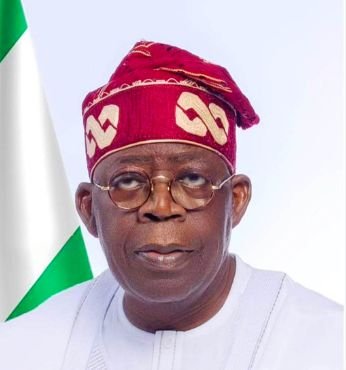
While critics may argue that the Federation Account is losing out on immediate cash, the long term benefit of a transparent, profitable, and debt free oil company is a prize worth chasing. We will be watching closely to see how the NNPCL uses this newfound financial freedom to serve the Nigerian people better.
Join Our Social Media Channels:
WhatsApp: NaijaEyes
Facebook: NaijaEyes
Twitter: NaijaEyes
Instagram: NaijaEyes
TikTok: NaijaEyes