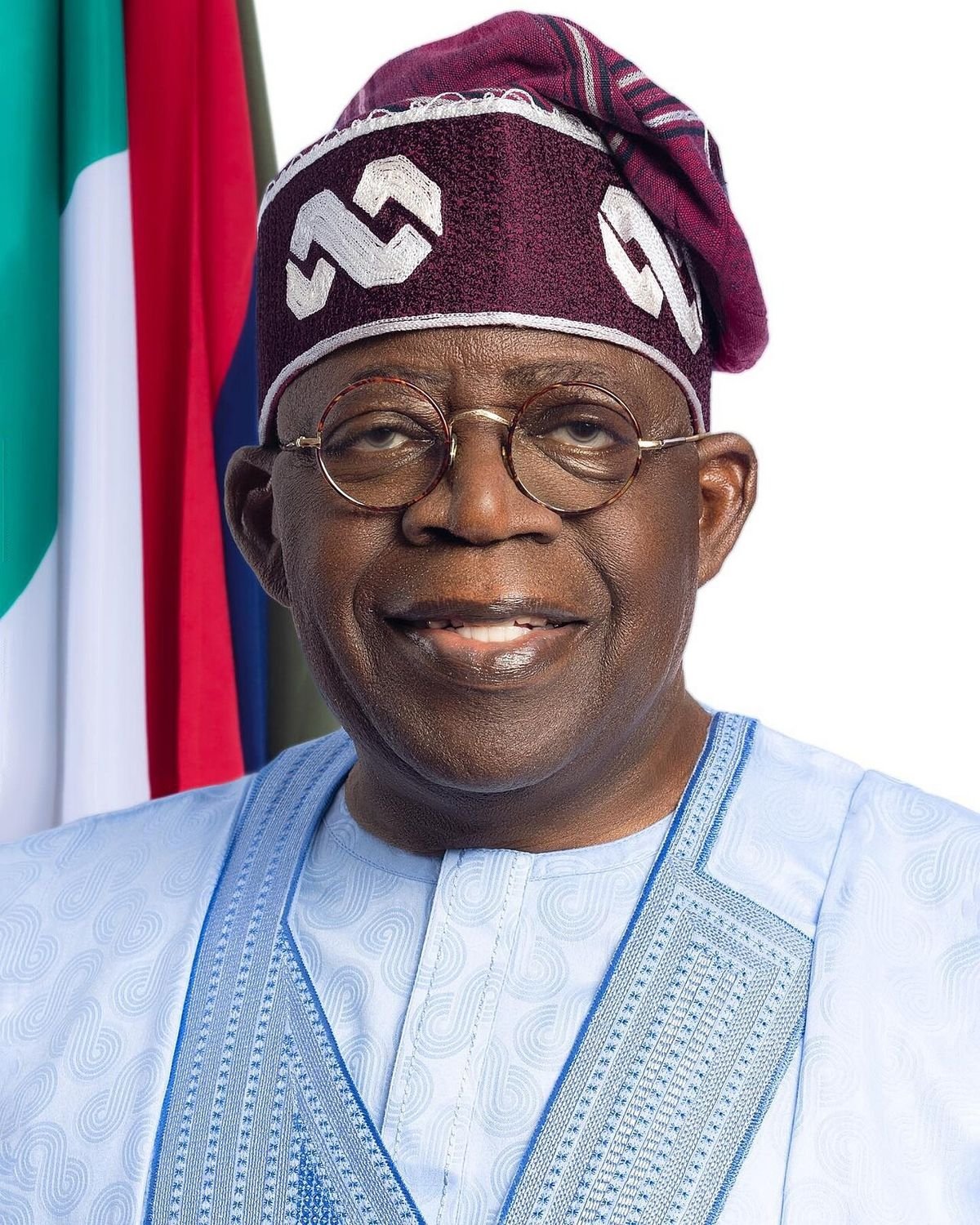

Nigerians will enjoy lower transportation cost from October 2026 under a pledge by President Bola Tinubu.
Bayo Onanuga, Special Adviser to the President on Information and Strategy, disclosed this in a statement on Saturday.
The Federal Government has also updated the National Affordable Compressed Natural Gas (CNG) Transit Programme. President Bola Tinubu said electric and CNG-powered buses were already reducing transportation costs in several areas.
He cited Borno, where commuters pay between N50 and N100 to use CNG-powered and electric public transport on routes where private operators charge between N300 and N600.
Tinubu also said the initial deployment of CNG buses to Pacesetter Transport in Oyo reduced the Lagos-Ibadan fare from about N8,000 to N3,200.
He further highlighted CNG-converted commercial buses operating on several routes in Abuja through a partnership with the National Union of Road Transport Workers. According to Tinubu, the initiative had reduced fares for passengers by 40 per cent.
“On August 27, I met with the governors of our 36 states, and we agreed on a clear objective. From October 1, more Nigerians should begin to see measurable reductions in transportation costs.
“We subsequently established an implementation committee for the National Affordable CNG Transit Programme under the auspices of the Nigeria Governors’ Forum, chaired by Governor AbdulRahman AbdulRazaq.
“I am aware of the considerable work already underway by the committee, PI-CNG & EV, the States, and other critical stakeholders to identify priority transport corridors, determine appropriate interventions, and put the necessary arrangements in place.
“This work has become even more urgent amid the current global energy crisis,” the statement said.
Backstory…
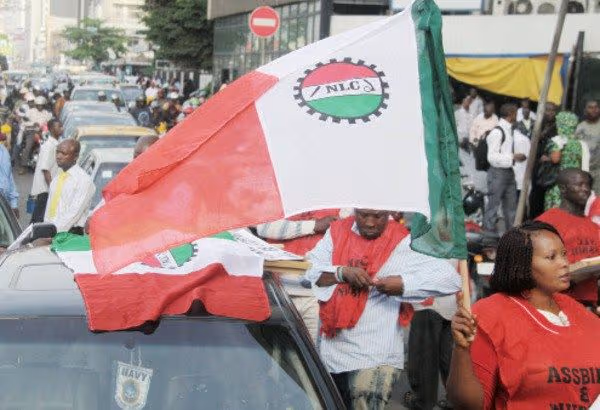
The latest pressure followed another increase in petrol prices, with pump prices reaching about ₦1,470 per litre in some locations. The increase has raised concerns about another round of higher transportation cost, as operators face increased fuel and operating costs.
The development has also revived the debate over the impact of Tinubu’s decision to remove the petrol subsidy in May 2023.
The policy ended a subsidy regime that had kept petrol prices artificially low but also placed a substantial financial burden on government. Since then, fluctuations in petrol prices have increasingly fed into transportation, food distribution and other living costs.
Read Also: Governors Back CNG Conversion Programme to Cut Transport Costs, Ease Hardship