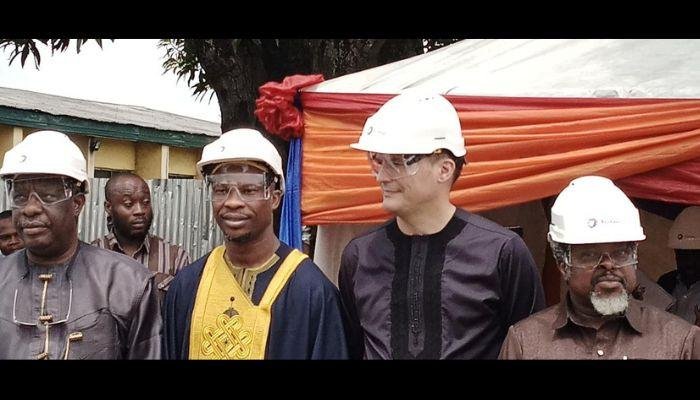
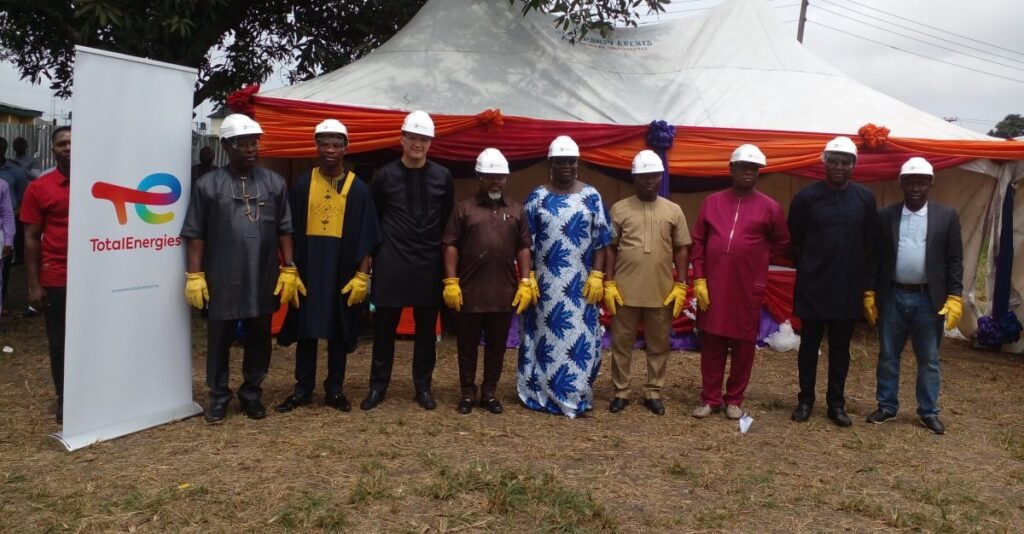
In the heart of Port Harcourt, at the once-neglected compound of the Government Technical College (GTC) Port Harcourt, a transformation is quietly unfolding. Once characterised by crumbling workshops, vandalised buildings and a haunting reputation for neglect, the site is now morphing into a cutting-edge technical campus equipped with modern laboratories and digital infrastructure. This change, driven by a partnership between Renaissance Africa Energy Company Limited and the Nigerian Content Development and Monitoring Board (NCDMB), has seen more than US$6 million invested to date.
Undermined Legacy of GTC: The Chaos of the Past
Walking past Slaughter Roundabout and entering the northern flank of GTC Port Harcourt used to evoke a sense of alarm more than hope. What had once been bustling workshops and technical instruction rooms slid into disrepair. According to observers, some sections were so empty and derelict that they became refuge to kidnappers, while learning occurred elsewhere on site.
The school’s facade and inner buildings told a story of neglect: peeling walls, rusting doors, broken windows, and a palpable lack of investment or oversight. The community, understandably, had lost confidence. Parents sent children there simply because the school existed — but with little faith in the infrastructure or outcome.
Such decay is unfortunately common in many technical colleges across Nigeria, where funding woes, security lapses and maintenance backlogs converge. The story of GTC Port Harcourt is in many ways emblematic. But what is unfolding now is a deliberate attempt to rewrite that narrative.
The Investment & Vision: Rebuilding for the Future
When Renaissance Africa Energy and the NCDMB chose to invest in the school, the effort was more than cosmetic. As GM — Nigerian Content for Renaissance, Lanre Olawuyi put it: “What was once a group of crumbling workshops is now a campus of modern laboratories.”
The investment, now surpassing US$6 million, covers new ICT suites, welding units, foundry sections, solar power systems and agriculture workshops.
Crucially, the project partners didn’t just dump equipment and depart: they convened community leaders, security agencies, school officials and local government representatives in a “covenant” meeting — a family gathering to commit to the success and safeguarding of the investment. “This is not just a formal meeting, but a family meeting. A covenant moment.” Olawuyi emphasised.
His clarion call: the equipment remains in the warehouse until the community proves it can protect it — vandalism and theft are unacceptable. What this means is not a fence or guards alone, but a shared ownership and vigilance from every stakeholder. “True security … comes from the heart of the community,” he asserted.
The narrative being built: this is not just a refurbished campus, but a generational opportunity for youth, local industry and community redemption.

Challenges Ahead: Security, Ownership & Sustainability
As the physical rebuild nears completion (now described as about 90 % complete), real obstacles remain — foremost among them: security and community buy-in.
The partners recognise that even world-class infrastructure will mean little if it is vandalised, stolen or allowed to deteriorate again. To this end they introduced a “Community Protection & Ownership Charter”. Signatories — including the school, community elders, security agencies and education authorities — pledge joint responsibility: zero tolerance for theft and vandalism; active surveillance; shared intelligence; and mutual accountability.
The area’s local council chair, Alwell Ihunda of the Port Harcourt Local Government Area, offered his support: immediate action would be taken to clear shanties around the fence line and enhance protection of investors.
Yet even with the best of intentions, long-term sustainability will depend on how well the community embraces the campus as its own. The lesson: infrastructure alone cannot solve the problem — mindset, culture and systems of ownership matter.
What The Transformation of GTC Means: Skills, Industry and Local Potential
For Nigeria’s industrial future, the significance of this project goes beyond the gates of GTC Port Harcourt. With the country striving to rebuild its technical and vocational education capacity, such an investment sends a positive signal.
A well-equipped technical campus produces industry-ready graduates — welders, metal-fabricators, solar technicians, ICT professionals — who are immediately relevant to local demand. In a country where technical skills are sorely needed, this kind of facility promises to align education with enterprise.
Parents, long sceptical of the school’s value, are already voicing excitement. For many, what seemed a “place to keep children busy” has become a locus of hope and community aspiration.
When functioning well, such a campus creates ripple effects: better employment, local business development, reduced youth idleness and a strengthened local supply-chain for industry. For Port Harcourt and its environs, this could help anchor technical talent locally rather than seeing young graduates drift away or remain underemployed.
As this campus begins to operate in earnest, the community may watch with pride — and will be tested by how they protect and sustain this legacy.
Conclusion
The transformation of GTC Port Harcourt from a derelict technical college into a modern campus is a testament to what can happen when vision, funding and community come together. But it is also a vivid reminder that rebuilding infrastructure is only half the battle — nurturing culture, ownership and collective responsibility are equally vital. For the youth of Port Harcourt, this renewed campus holds promise. And for Nigeria’s education and industrial sectors, it stands as a model worthy of replication.
Join Our Social Media Channels:
WhatsApp: NaijaEyes
Facebook: NaijaEyes
Twitter: NaijaEyes
Instagram: NaijaEyes
TikTok: NaijaEyes
READ THE LATEST EDUCATION NEWS