
In an effort to penalize and put pressure on Moscow for its ongoing war against Ukraine, President Donald Trump signed into law a broad package of sanctions on Friday that targets Russian officials and important economic foundations.
The statute levies unprecedented sanctions on Russia and indirectly targets foreign nations aiding Moscow’s military campaign.
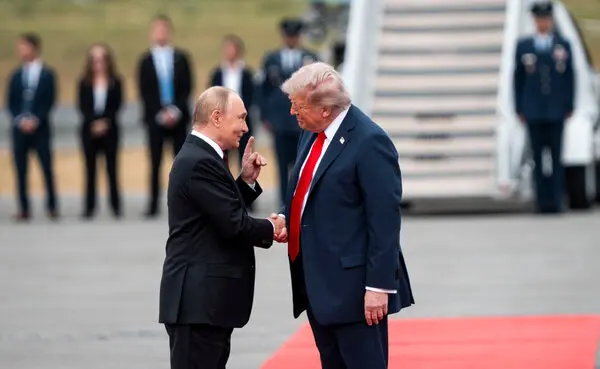
The objective is to strip Russian President Vladimir Putin of the resources necessary for Moscow to sustain its war against Ukraine, which began when Russian forces invaded over four years ago.
The Graham Bill imposes penalties on Russian political figures, financial institutions, and oil tankers operating within Russia’s “shadow fleet,” which has been utilized to circumvent existing trade restrictions.
Furthermore, the law grants the president discretionary authority to impose tariffs of up to 100% on major importers of Russian crude oil, such as China and India, though administration officials are considered unlikely to risk initiating a major trade conflict with Beijing.
The Graham Bill also serves as a posthumous tribute to the late Sen. Lindsey Graham, R-S.C., a close ally of the president who died unexpectedly in July shortly after returning from a visit to Ukraine. The legislation, which was developed over more than a year, secured broad bipartisan approval, passing the Senate 86-11 and the House 262-159.
Sen. Darline Graham, Lindsey Graham’s sister, said in a statement Friday: “I wish Lindsey were here to celebrate this historic day. I know he would be so proud. Lindsey believed this bill, which he worked on for well over a year, would help end the war through squeezing Putin economically and forcing his customers to reevaluate their relationship with Russia.”
Backstory…
The new sanctions law is the culmination of a more than year-long effort in Washington to increase economic pressure on Russia over its invasion of Ukraine and to target countries that continue to provide Moscow with revenue through purchases of Russian oil and gas.
The push was led by the late Republican Senator Lindsey Graham and Democratic Senator Richard Blumenthal, who worked together on a bipartisan sanctions proposal. Their original legislation, introduced in April 2025, sought to impose primary and secondary sanctions on Russia and countries supporting its war effort.