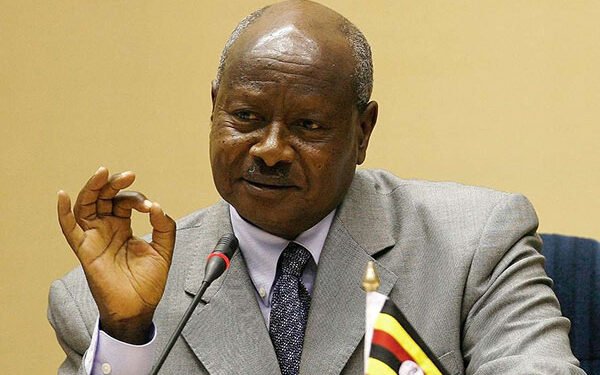
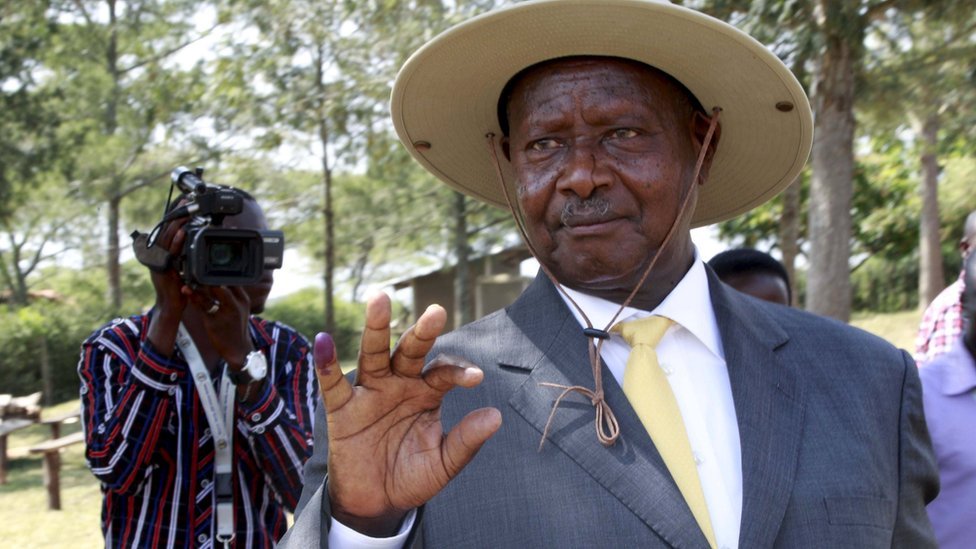
Uganda’s political landscape entered a new chapter this weekend as President Yoweri Museveni was declared the winner of the country’s 2026 presidential election. At 81 years old, Museveni has secured a seventh consecutive term in office, extending his hold on power that began in 1986 to nearly four decades. Official results show he captured about 72 percent of the vote, with his closest rival, Robert Kyagulanyi Ssentamu, better known as Bobi Wine, receiving roughly 24 percent. Observers, opposition supporters, and many international voices have argued that the election failed to meet the standards of a free and fair contest.
Museveni’s long tenure has made him one of Africa’s longest-serving leaders. His rule has been marked by periods of relative stability and visible infrastructure progress, but also by an erosion of democratic norms and persistent allegations of repression against the opposition and civil society. Analysts whisper that this latest win confirms a long-entrenched system that privileges continuity over genuine political competition.
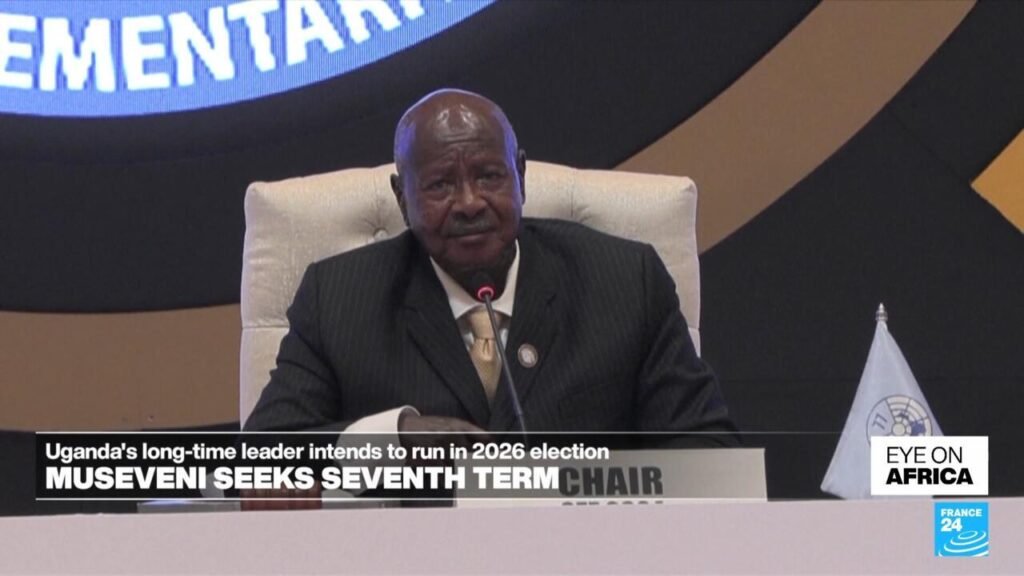
Table of Contents
A Vote Under Tension in Uganda
The run-up to election day was tense and heavily criticised. Days before voters headed to the polls, the government ordered a nationwide Internet shutdown, citing concerns about misinformation and unrest. This move crippled communication channels, limited independent observation, and drew sharp rebukes from rights groups who said it undermined transparency.
Security forces were visible across the country during the campaign season and on voting day. Opposition rallies were disrupted, and there were reports of violence, arrests, and intimidation that haunted many communities. In Kampala and central regions, clashes between security personnel and civilians reportedly led to fatalities, with differing accounts from government spokespeople and activists.
On election day itself, not all polling centres opened on time due to logistical challenges, including malfunctioning biometric voter machines. This disproportionately affected urban areas where opposition support tended to run higher, adding another layer of scepticism to the results.
Opposition Rejects Results and Tensions Escalate
From the moment the Electoral Commission announced Museveni’s victory, the opposition cried foul. Bobi Wine and his National Unity Platform called the results “fake,” pointing to alleged ballot irregularities and security force interference. Wine’s camp claimed that punitive actions—including house raids and detentions of party agents—were part of a broader effort to stifle dissent and tilt the election in Museveni’s favour.
Wine himself made headlines this weekend by claiming he had escaped a police raid on his home, while his family members remained confined. Police denied that he had fled or was under arrest, saying the heavy presence at his residence was intended to minimise unrest. Yet neither side’s version could be independently verified at the time of reporting.
Despite the official verdict, the opposition’s rejection of the process and the dramatic narratives around security actions have deepened political divisions. Many Ugandans, especially in younger demographics, have voiced disillusionment about the fairness of the political system and the prospects of change through elections alone.
Leadership and the Broader Implications for Africa
Museveni’s election victory highlights a broader question facing African politics: the struggle between long-standing leadership and the aspirations of nations yearning for democratic renewal and generational change. While some supporters credit Museveni with bringing stability and economic growth after the turmoil of earlier decades, critics argue that the methods by which he has maintained power have weakened institutions and sown distrust in governance.
His removal of term and age limits from the constitution in past years cleared the way for extended rule, a move seen by opponents as undermining the democratic principle that leaders should rotate through popular choice, not entrenched tenure. Museveni’s grip on parliament and state structures has further cemented his control, leaving little space for dissenting voices to build organisational strength.
The outcome will also influence conversations about governance across the continent. Many African nations wrestle with similar tensions: the desire for stability and continuity versus the need to nurture vibrant political competition and accountability. The way Uganda navigates its post-election realities could echo in debates from Accra to Nairobi, from Abuja to Addis Ababa.
For many Nigerians watching closely, what unfolded in Kampala feels painfully familiar: leaders who cling to power, often under the guise of national security or tradition and sometimes at the expense of democratic development. Such patterns feed a broader narrative about leadership challenges in Africa, where the potential of young populations often meets the reality of rigid political hierarchies. The continent’s future progress, critics say, will be held back so long as entrenched leadership structures prevail at the expense of meaningful change.
Looking Ahead and What it Means for Uganda
Museveni’s seventh term will begin with both acclaim from his supporters and vehement opposition from rivals at home and scrutiny from abroad. Regional and international actors will likely watch closely how Uganda handles civic freedoms, dissent, and economic reform. Will this term be one of lasting stability that opens doors for economic opportunity, or will it deepen political fractures that risk future unrest? Only time will tell.
What is clear is this: the story of Uganda’s election will not fade quickly from public conversation. As critics and citizens alike reflect on what this leadership choice means for the nation’s youth, economy, and democracy, the lessons may extend far beyond Kampala, affecting how Africa conceives of leadership, legitimacy, and progress in the decade ahead.
Join Our Social Media Channels:
WhatsApp: NaijaEyes
Facebook: NaijaEyes
Twitter: NaijaEyes
Instagram: NaijaEyes
TikTok: NaijaEyes