Ugandan President Yoweri Museveni has formally announced he will seek re-election in the upcoming 2026 presidential election after 40 years in power.
Museveni, 81, is one of Africa’s longest-serving leaders, having taken office in 1986 after a guerrilla war.
Uganda’s Electoral Commission approved his request for a seventh term, enabling him to run for office once again on January 15, 2026.
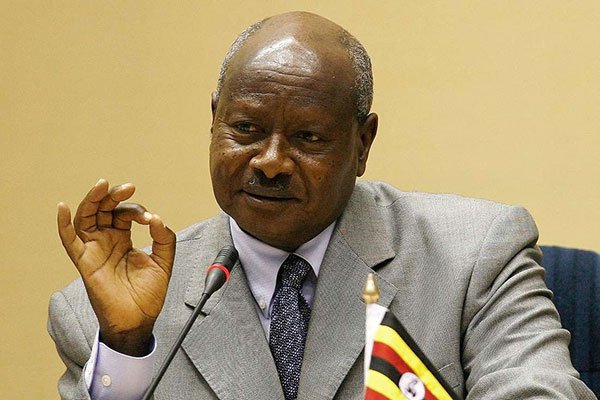
After spearheading violent uprisings against despotic regimes, he first came to power on a wave of optimism.
However, over time, frequent accusations of corruption, dwindling civic space, and increasingly authoritarian governance have undermined that initial goodwill.
“Corruption has been central to his rule from the beginning,” Kristof Titeca, a professor at the University of Antwerp, told Reuters.
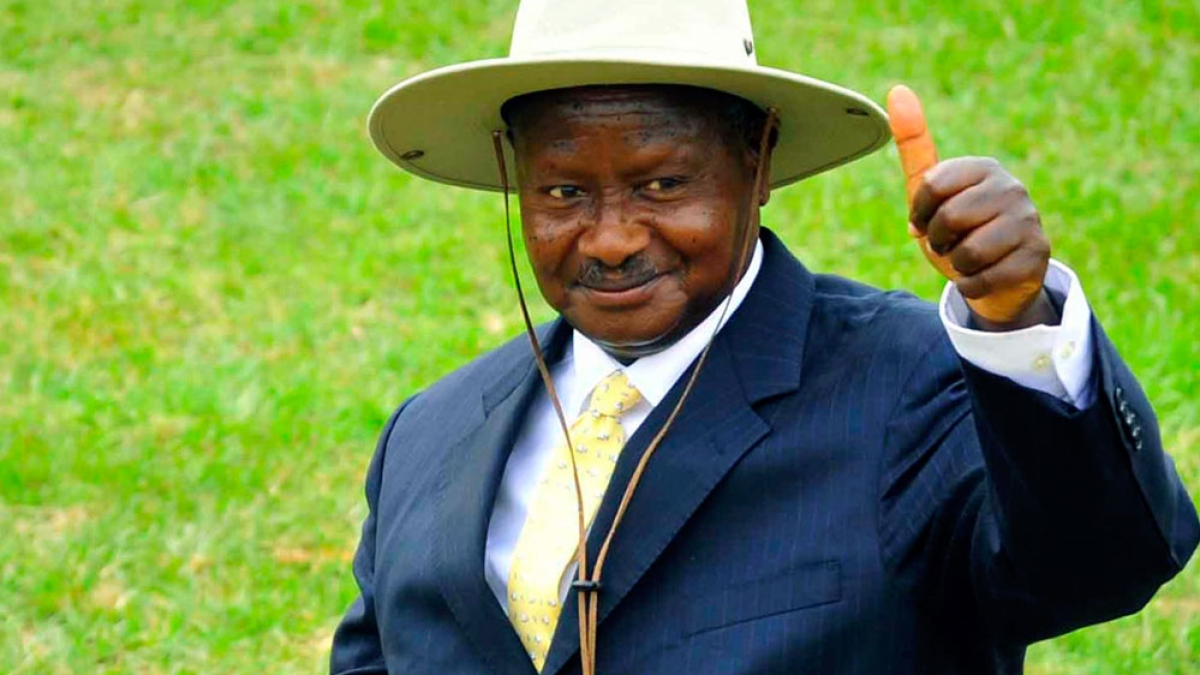
Both support and controversy have characterised the president’s reelection campaign. Critics led by opposition figures like pop star-turned-politician Bobi Wine warn of authoritarianism, corruption, and human rights issues, while supporters point to decades of stability, infrastructure development, and economic success.
Museveni’s triumph is practically assured, according to analysts, but the president’s physical weakness raises questions about what will happen next.
While older politicians who earlier campaigned alongside Museveni have been marginalised, the opposition has accused Museveni of accelerating Kainerugaba’s career to position him for succession.

Charles Onyango-Obbo, a former newspaper editor, stated that president’s future political actions may be influenced by the results of the election.
“This is less about the results that will be announced, and more about the mood on the ground,” Onyango-Obbo said, adding that a handover could still be years away.
“Museveni is more frail now, but he is a workaholic… he will not leave even if he needs to use a walking stick,” he said.
Join Our Social Media Channels: