Every year on January 24, people, communities, and nations around the world pause to reflect on one of the most powerful forces for change and development education. This year, the UN’s educational agency, UNESCO, leads the global observance of the International Day of Education on January 24 2026. The celebration recognises education not just as a classroom activity but as a fundamental human right that holds the promise of peace, equality, dignity, and progress for all.
The International Day of Education was established by the United Nations General Assembly in December 2018. On that occasion, the global body adopted a resolution designating January 24 as a dedicated day to honour the role education plays in building peaceful and resilient societies. Nigeria was one of the co-sponsors of that resolution, alongside 58 other Member States, underscoring the country’s commitment to education as a driver of sustainable development. UNESCO is the leading agency that facilitates and promotes the observance of this day each year.
Education remains a critical tool for breaking cycles of poverty and advancing opportunity. Despite decades of progress, the world still faces significant challenges. Over 250 million children and young people are out of school, and hundreds of millions of adults lack basic literacy skills. This reality shows that much work is still needed to make quality education accessible to everyone, regardless of background or circumstance.
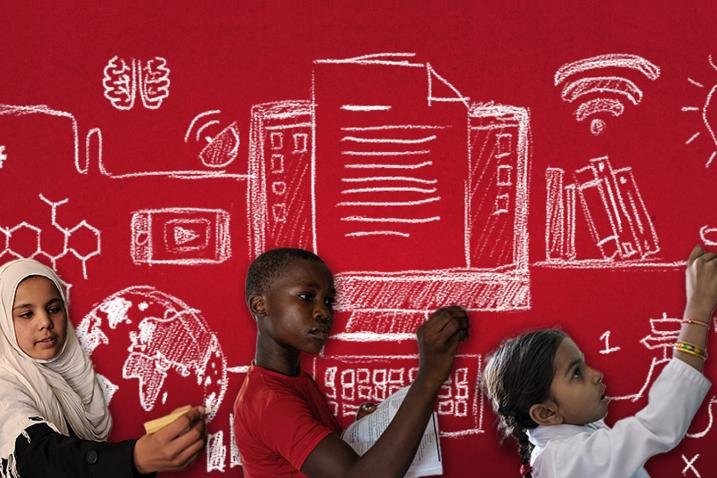
Table of Contents
The Power of Youth in Shaping Education for the Future
The 2026 International Day of Education adopts a forward-looking theme that celebrates the role of young people. This year’s focus is the power of youth in co-creating education. UNESCO and its partners recognise that learners themselves must be at the centre of discussions about the future of education. In a rapidly changing world marked by technological advances, demographic shifts, and global uncertainties, the voices of students and young people are essential in shaping policies and practices that affect them.
To highlight this theme, UNESCO is organising a hybrid event at its headquarters in Paris on January 23 2026, bringing together youth representatives, policymakers, educators, and global leaders. These gatherings will be broadcast online to allow global participation. Discussions will explore how education systems can be more inclusive, adaptive, and responsive to the needs of learners, especially in contexts affected by crisis or rapid change.
In addition to the flagship event in Paris, online programmes will provide platforms for young people to share their experiences, innovations, and aspirations. These activities reflect a broader commitment to listening to youth and empowering them to take active roles in education reform. UNESCO’s approach recognises that young people are not just beneficiaries of education but essential partners in designing its future.

Education as a Foundation for Peace and Sustainable Development
Education is widely recognised as a foundation for peace and development. It equips individuals with the knowledge and skills needed to participate fully in society and the global economy. More than this, education fosters understanding, tolerance, and respect for cultural diversity, helping to build peaceful and inclusive communities.
When the International Day of Education was declared, world leaders acknowledged that education is critical for achieving the global Sustainable Development Goals (SDGs), particularly SDG 4, which aims to ensure inclusive and equitable quality education and promote lifelong learning opportunities for all. This aligns with international commitments to reduce poverty, promote gender equality, and support environmental sustainability.
Education also plays a vital role in confronting some of the most pressing challenges of our time. For example, it enhances people’s ability to respond to climate change by building knowledge about resilience and adaptation. It also strengthens societies by promoting active citizenship, critical thinking, and innovation. From health and nutrition to economic participation, education has far-reaching impacts that touch every aspect of human development.
Yet, achieving these goals remains an uphill task. The global community must address persistent gaps in access to education, quality of learning, and equitable opportunities. In many parts of the world, schools still lack basic resources, trained teachers are in short supply, and barriers such as conflict, poverty, and discrimination limit children’s ability to learn. The International Day of Education is a reminder that these gaps must be closed if societies truly want to harness the transformative power of learning for all.
How Nations and Communities Can Participate in the UNESCO International Day of Education
Observances of the International Day of Education take many forms. Governments, schools, civil society groups, universities, and international organisations often host events that promote dialogue, share success stories, and launch initiatives that support quality education. In Nigeria, education advocates use the day to highlight local challenges and progress, celebrate outstanding teachers and students, and call for policies that prioritise inclusive and equitable learning. While countries differ in context, the shared goal of uplifting education unites these efforts.
Partnerships between governments and non-state actors are also crucial. Initiatives that support teacher training, digital learning platforms, and community engagement can have a direct impact on learning outcomes. The International Day of Education serves as a platform to launch or reinforce such partnerships, mobilising stakeholders around a shared mission.
For individuals and families, the day offers an opportunity to reflect on the value of education in everyday life. Parents and caregivers can engage in conversations with children about learning goals. Local groups can organise reading activities, mentorship programmes, or discussions on educational access. These small efforts contribute to a culture that values learning and recognises its role in achieving personal and collective dreams.
Education Beyond UNESCO International Day of Education 2026
As the world marks the International Day of Education on January 24 2026, it is clear that the journey towards universal quality education is ongoing. The inclusion of youth voices and perspectives this year highlights a critical shift in how education is conceptualised and delivered. By involving learners in decision-making processes, countries and communities can ensure that educational systems adapt to real needs and emerging opportunities.
Global attention to education must remain a priority. Even as technological change accelerates, the core values of education, such as critical thinking, creativity, and human agency, remain essential. Governments, educators, and civil society must work together to invest in robust, inclusive systems that prepare learners for the complexities of the 21st century. These investments will help build societies where citizens can contribute meaningfully, innovate for the future, and live with dignity.
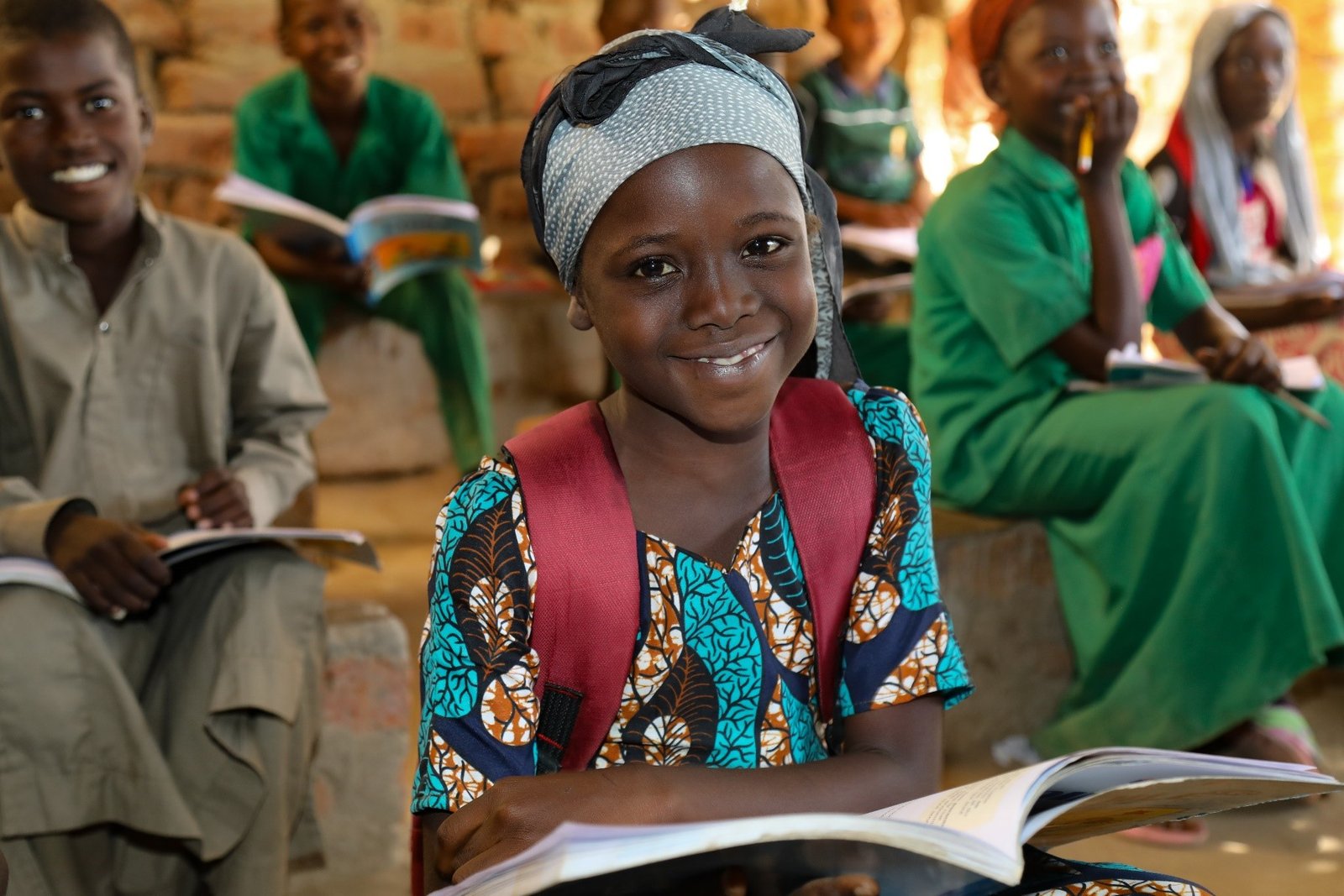
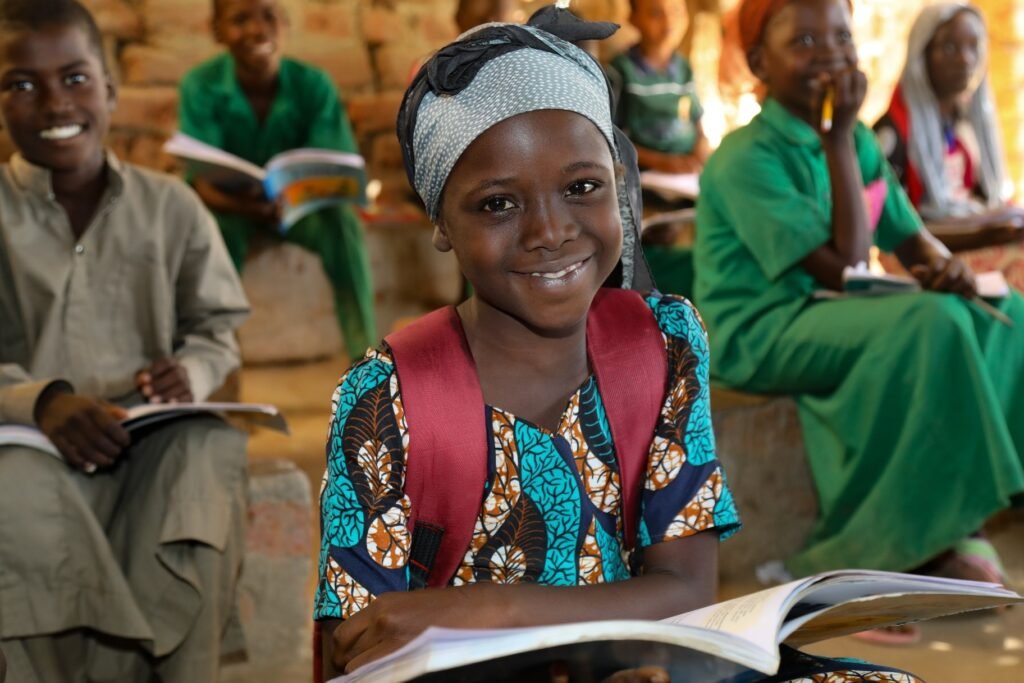
In celebrating the International Day of Education, the world honours more than classrooms or curricula. We celebrate hope, resilience, and the relentless human pursuit of knowledge. We celebrate the child in a rural village with dreams as big as any city student. We celebrate the teacher who lights the spark of curiosity. We celebrate the learners and leaders whose collective efforts will shape a more peaceful, inclusive, and prosperous tomorrow for all.
Join Our Social Media Channels:
WhatsApp: NaijaEyes
Facebook: NaijaEyes
Twitter: NaijaEyes
Instagram: NaijaEyes
TikTok: NaijaEyes
READ THE LATEST EDUCATION NEWS