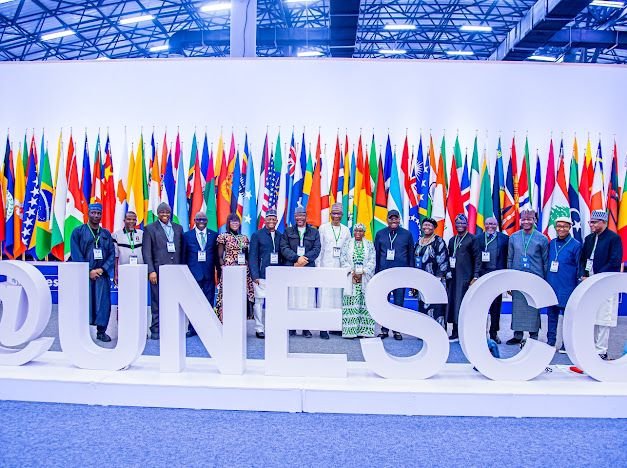
Abuja — In a landmark decision that is already stirring optimism across the continent, UNESCO has formally designated Nigeria as the host of the world’s first “Category-2” international institute focused on media and information literacy (MIL). The approval came during UNESCO’s 43rd General Conference of its Communication and Information Commission held in Samarkand, Uzbekistan.
This momentous achievement places Nigeria at the forefront of the global battle against disinformation, fake news and the more subtle threats of digital illiteracy. According to the official statement, the new institute—dubbed the International Media and Information Literacy Institute (IMILI) and to be domiciled in Abuja—is already envisioned as a hub for research, policy development and capacity-training aimed at media, information and digital literacies.
For Nigeria, the race for global relevance in this space has been years in the making. From hosting the 10th Global Media and Information Literacy Week in 2022 to now hosting a full-blown institute, the crescendo has arrived.
Here’s a breakdown of what this means, why it matters and what the road ahead looks like.
Table of Contents
What the Approval Means for Nigeria & Africa
Putting Nigeria on the map in a completely new category of knowledge infrastructure is no small feat. With this UNESCO designation, several key expectations and opportunities emerge:
Global leadership in MIL research & policy – The institute will not merely be symbolic. It is expected to “serve as an international observatory and hub” for the kind of media and information literacy work that UNESCO deems urgent in an era of rapid digital change.
Capacity-building for the digital age – With misinformation and disinformation increasingly weaponised, the need for citizens who can navigate and make sense of media—rather than simply consume it—has never been higher. The institute will train, educate and build frameworks to strengthen that capacity.
Elevating Nigeria’s soft-power profile – Hosting an institute of this stature enhances Nigeria’s image as a thought-leader on the continent and beyond. According to statements from the Ministry of Information and National Orientation, this is “a strong vote of confidence in our nation.”
A wider win for Africa – Though sited in Nigeria, the institute is intended to serve regional and global constituencies. Nigerian officials emphasise that the success of this centre will benefit the entire African continent.
I spoke with a commentator who likened the moment to “Nigeria stepping onto the world stage of digital literacy policymaking” — a milestone not just for the country but for the region’s voice in technology and education debates.
The Journey So Far & Implementation Roadmap
The idea of a dedicated MIL institute in Nigeria did not appear overnight. Key milestones along the path include:
October 2022 – Nigeria hosted the 10th Global Media and Information Literacy and Feature Conference in Abuja, where the pledge to establish the institute was made.
March 2025 – The Federal Government assured UNESCO of the institute’s autonomy and sustainability, stressing it will be affiliated with a university (National Open University of Nigeria in Abuja) while still operating independently.
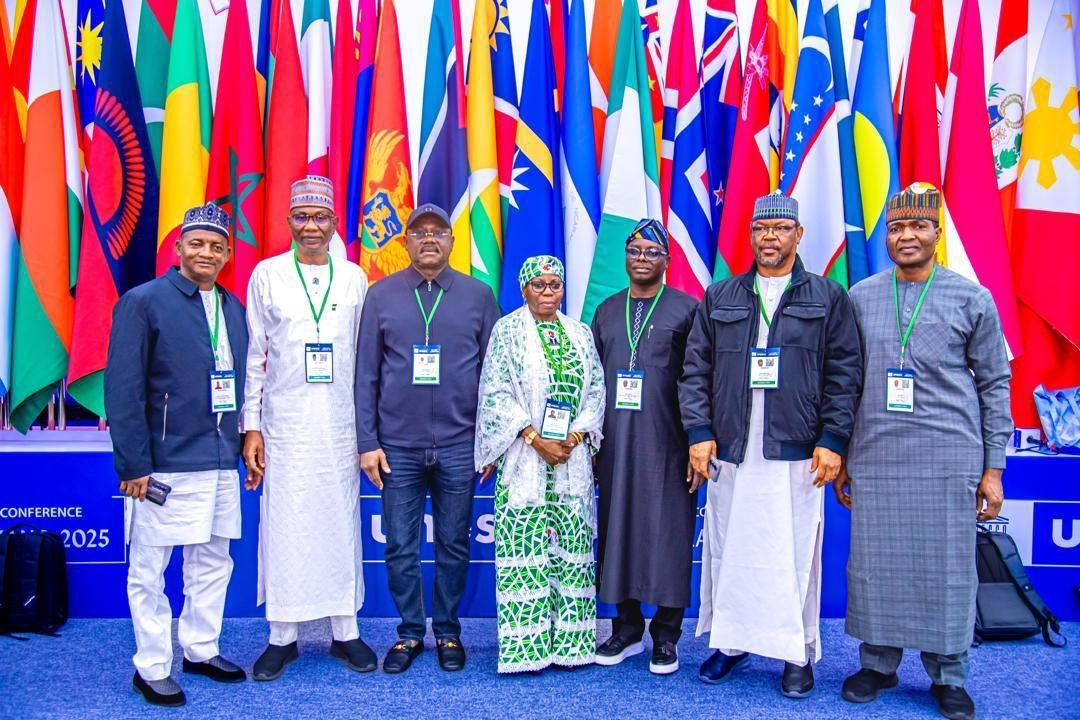
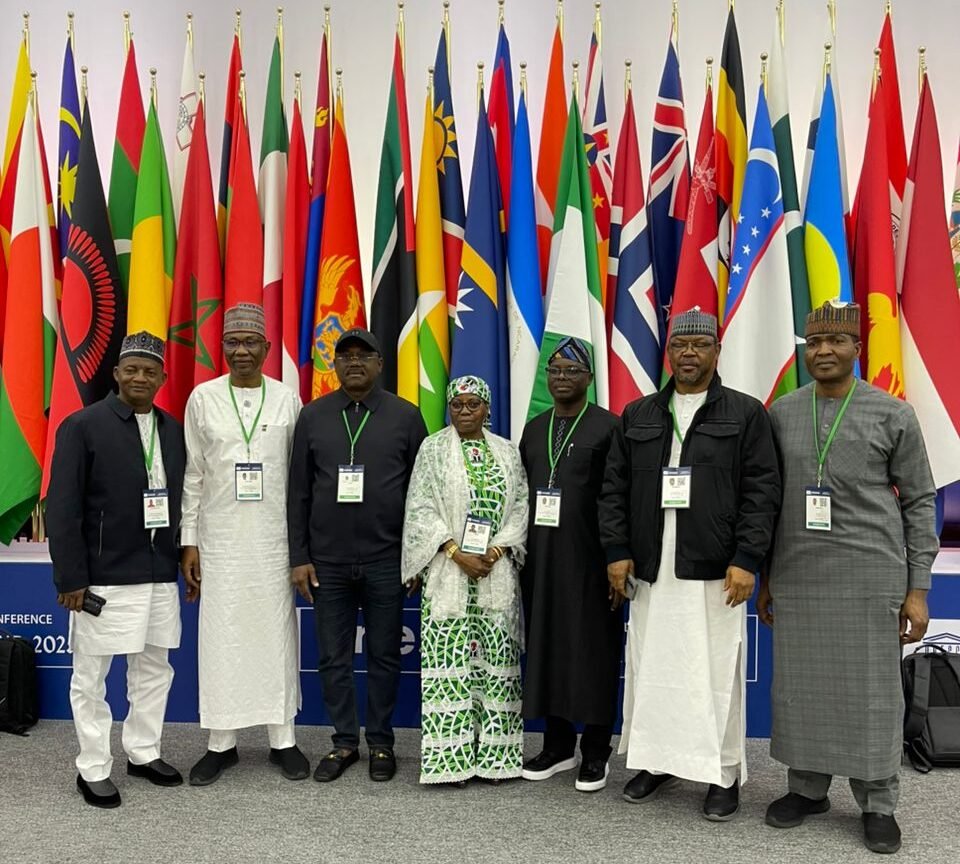
November 2025 – Formal ratification by UNESCO. Nigeria’s delegation to Samarkand included top officials from the Senate, House committees, national broadcast regulators and Nigeria’s ambassador to UNESCO.
Looking ahead:
- The formal launch of the institute has been scheduled for February 2026 in Abuja, where UNESCO officials, member states and strategic partners are expected to attend.
- Infrastructure, governance structures and strategic staffing will now be priorities. The Nigerian government has pledged collaboration with UNESCO on these elements.
- Nigeria must maintain operational standards, including autonomy and sustainability as required for Category-2 institutes, to preserve the designation.
From a personal perspective, having been involved in digital-media training in Abuja in recent years, I recognised early on the need for a centralised institution of this kind. This decision feels like the logical evolution of multiple initiatives across universities, civil society organisations and government agencies.
Challenges & What’s at Stake
While the approval is cause for celebration, the path ahead carries real risk and serious work. Here are some of the challenges that Nigeria must navigate:
Infrastructure & funding – Building a world-class facility requires not only a physical location but digital platforms, research capacity, skilled faculty and long-term financing. The assurances given so far are positive, but execution is key.
Maintaining credibility & independence – UNESCO’s Category-2 designation expects operational autonomy and academic freedom. Nigeria must ensure that the institute is not perceived as politicised or purely governmental in tone.
Regional relevance & inclusivity – While Nigeria is host, the institute’s mandate reaches beyond its borders. Ensuring Africa-wide access, regional representation and global partnerships will determine whether the institute achieves impact or remains symbolic.
Measuring impact – Media and information literacy is a diffuse field. Setting measurable goals, tracking outcomes and maintaining transparency will be important for raising standards and justifying investment.
Competing priorities – With pressing challenges in education, infrastructure, security and economy, sustained focus on this institute will require constant political will and coordination among agencies.
From my observation, the moment calls for Nigerian policymakers to act with both urgency and vision. The win is real—but the hard work begins now.
Looking Ahead: Why This Matters to You
For journalists, educators, media professionals, youth leaders and anyone navigating Nigeria’s digital landscape, this development carries clear implications:
- For students & youth: The institute promises new training opportunities, access to global research, and stronger support in developing digital-literacy skills that are increasingly essential for work and civic engagement.
- For media practitioners: With stronger frameworks emerging, the institute may become a clearing house for best practices, professional training and ethical standards in how media and information are produced, shared and consumed.
- For policymakers & educators: The centre will act as a resource for policy advice, curriculum development and institutional capacity building — meaning that Nigeria’s education and media systems could become more aligned with global best practices.
- For citizens: At a time when disinformation erodes trust, the institute offers hope that media users and communities will be better equipped to distinguish fact from fiction — a critical element in Nigeria’s democratic future.
My own experience working with digital-literacy training in Abuja taught me that many young people intuitively know the dangers of “fake” content, but lack the formal frameworks or institutional support to make sense of it. With this institute in place, that gap might finally begin to close.
Conclusion
This milestone is more than just a headline. It is a tangible step in positioning Nigeria as a global and regional leader in media and information literacy — an investment not only in national reputation but in the knowledge, skills and resilience of its people. As the journey unfolds, success will depend on sustained funding, transparency, regional cooperation and the ability to transform institutional promise into meaningful action.
Stay tuned: February 2026 will be a key moment, when the institute is formally launched and the real test of implementation begins.
Join Our Social Media Channels:
WhatsApp: NaijaEyes
Facebook: NaijaEyes
Twitter: NaijaEyes
Instagram: NaijaEyes
TikTok: NaijaEyes