US Ambassador to Nigeria Richard Mills Recalled
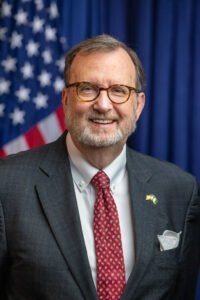
The diplomatic corridors of Abuja and Washington are currently buzzing with a development that has sent ripples through the international community. In a move that signals a significant pivot in American foreign policy, President Donald Trump has officially recalled Richard Mills, the US Ambassador to Nigeria. This decision is not an isolated event but rather a key component of a massive global diplomatic shake-up that is redefining how the United States engages with the rest of the world, particularly within the African continent.
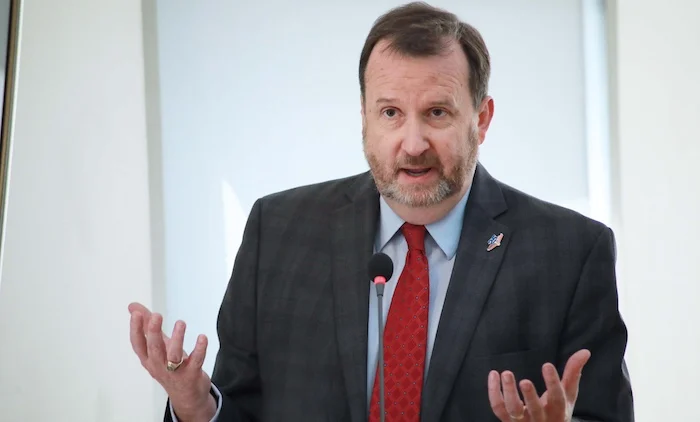
As an editor who has watched the ebb and flow of US-Nigeria relations for decades, I can tell you that this is more than just a routine change of guards. It is a loud and clear statement of intent from the Trump administration. The recall of Richard Mills, a seasoned career diplomat who only recently took up his post in Abuja, underscores a shift toward a more aggressive America First stance that prioritizes ideological alignment over traditional diplomatic continuity.
The Great Diplomatic Reset Under Trump
The news of the recall hit the headlines on Monday, December 22, 2025, revealing that Nigeria is just one of nearly 30 countries globally facing a sudden vacancy at the top of their US missions. This sweeping purge has hit Africa the hardest, with 15 countries on the continent seeing their US ambassadors called back to Washington. Alongside Nigeria, nations like Egypt, Algeria, Rwanda, and Senegal are now preparing for a transition that many did not see coming so soon.
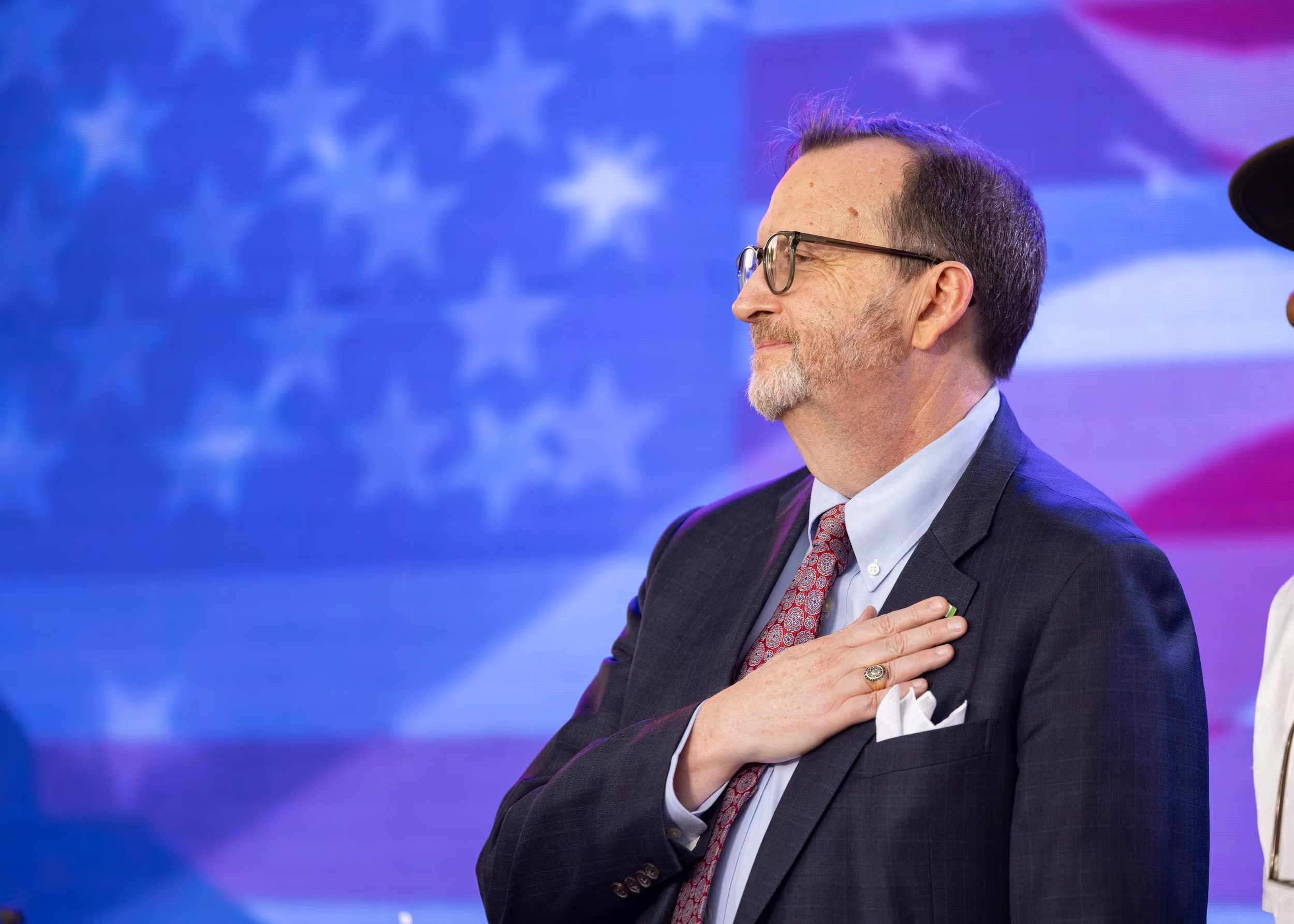
For Richard Mills, the US Ambassador to Nigeria, whose journey in Nigeria has been relatively short. Confirmed only in May of 2024, Mills brought a wealth of experience from his previous roles, including a stint as the US Deputy Permanent Representative to the United Nations. He was seen as a bridge builder, a diplomat who understood the complexities of the Nigerian landscape. However, in the eyes of the current administration in Washington, being a professional career diplomat is no longer enough. The mandate now is to have envoys who are 100% in sync with the Trumpian vision of global trade, security, and migration.
State Department officials have been quick to clarify that these diplomats are not being fired. Instead, they are being reassigned to roles within the department in Washington. But let us be honest: in the world of high-stakes diplomacy, a recall before the end of a standard three- to four-year tenure is a significant demotion in influence. It suggests that the administration wants its own people on the ground—individuals who will push the America First agenda without the “baggage” of traditional diplomatic nuances.
Impact on US-Nigeria Relations and the Visa Question
The timing of this recall is particularly sensitive. Nigeria and the United States have been navigating a somewhat “frosty” period, marked by intense discussions over visa restrictions and security cooperation. Just a day before the news of his recall broke, US Ambassador Richard Mills was in Abuja addressing a news conference. He was there to calm nerves regarding the new visa restrictions set to take effect on January 1, 2026.
Mills was emphatic that these measures were not a “punishment” for Nigerians but a necessary step to strengthen security procedures and vetting. He spoke of exemptions for diplomatic passport holders and religious workers, trying to paint a picture of a partnership that remains intact despite the tougher border policies. But with his departure now imminent, many Nigerians are asking, “Who will be the voice of reason in the room when the next round of restrictions is debated?”
The relationship between our two nations is a heavy one, built on years of cooperation in health, security, and trade. Only recently, Nigeria’s Minister of Information, Mohammed Idris, spoke about a $5.1 billion bilateral health agreement, citing it as proof of a “strengthened partnership.” Yet, the sudden removal of the top American diplomat in the country creates a vacuum of leadership that could slow down these critical initiatives. When you change the captain of the ship in the middle of a storm, you have to wonder if the destination remains the same.
Why Africa is Feeling the Heat
It is impossible to ignore the fact that Africa is the “most hit” continent in this global reshuffle. Out of the 29 US ambassadors recalled, 15 are from African nations. This lopsided focus tells a story of a Washington that is looking at Africa through a very specific lens. Whether it is countering Chinese influence, managing migration flows, or renegotiating trade deals, the Trump administration appears to be clearing the deck to install loyalists who will execute these policies with clinical precision.
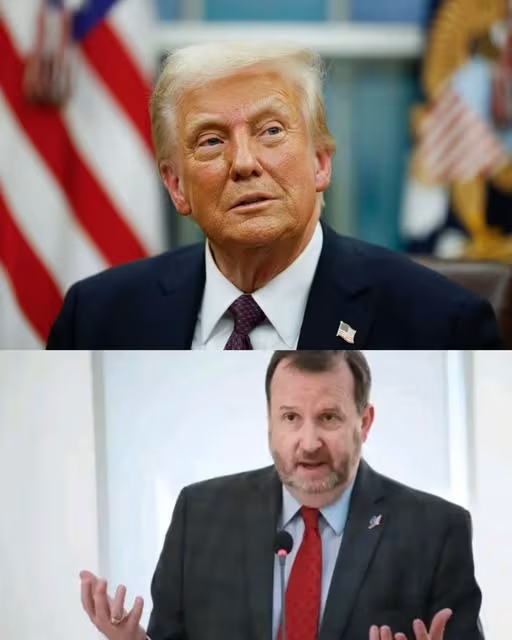
In places like Niger and Somalia, where security concerns are paramount, the departure of experienced ambassadors like Mills could complicate ongoing counterterrorism efforts. The “strategic security framework” that Congressman Riley Moore recently mentioned—aimed at tackling terrorism in West Africa—needs consistent diplomatic stewardship. A transition period, where a Charge d’Affaires runs the show while waiting for a new political appointee to be confirmed by the US Senate, often leads to a “wait and see” attitude that can stall progress.
The diplomatic community in Abuja is currently in a state of flux. While the US Mission remains active on social media, there has been a noticeable silence regarding the specifics of the transition. This silence speaks volumes. It reflects the uncertainty felt by career officials who have spent their lives navigating the fine lines of international relations, only to find the lines being redrawn overnight.
Looking Ahead to a New Era of Diplomacy
As we move into 2026, the face of American diplomacy in Nigeria will change. We should expect a nominee who perhaps doesn’t come from the traditional Foreign Service background but instead has strong ties to the Trump inner circle. This new envoy will likely arrive with a mandate to be firmer on immigration and more transactional in trade.
For Nigeria, the challenge will be to maintain its own interests while navigating this new American reality. Our Ministry of Foreign Affairs will need to be proactive, ensuring that the “firm and respectful engagement” mentioned by Minister Idris continues regardless of who sits in the embassy in Mkape District. We cannot afford to be passive observers in a reshuffle that directly affects our citizens’ ability to travel, do business, and secure our borders.
In conclusion, the recall of Richard Mills is a watershed moment. It marks the end of “diplomacy as usual” and the beginning of a more unpredictable, ideology-driven era. As a professional editor, my advice is to keep a close eye on the vacant seats in Washington’s missions. Those seats will soon be filled by individuals who will represent the most radical shift in American foreign policy in a generation. For Nigeria, the goal remains the same: a partnership based on mutual respect and shared prosperity, even if the person across the table is speaking a different diplomatic language.
Join Our Social Media Channels:
WhatsApp: NaijaEyes
Facebook: NaijaEyes
Twitter: NaijaEyes
Instagram: NaijaEyes
TikTok: NaijaEyes