
Amid ongoing talks for a US-China Trade Deal, the US and China have agreed to reduce tariffs on $60 billion worth of goods traded between both countries, including Chinese household appliances and toys as well as US maize and cosmetics.
US Trade Representative Jamieson Greer said in a statement on Sunday that both countries had proposed $30 billion worth of trade in non-sensitive goods for more favourable tariff treatment under the US-China Board of Trade.
He said the arrangement would “unlock enhanced market access” for about 30 per cent of US exports to China.
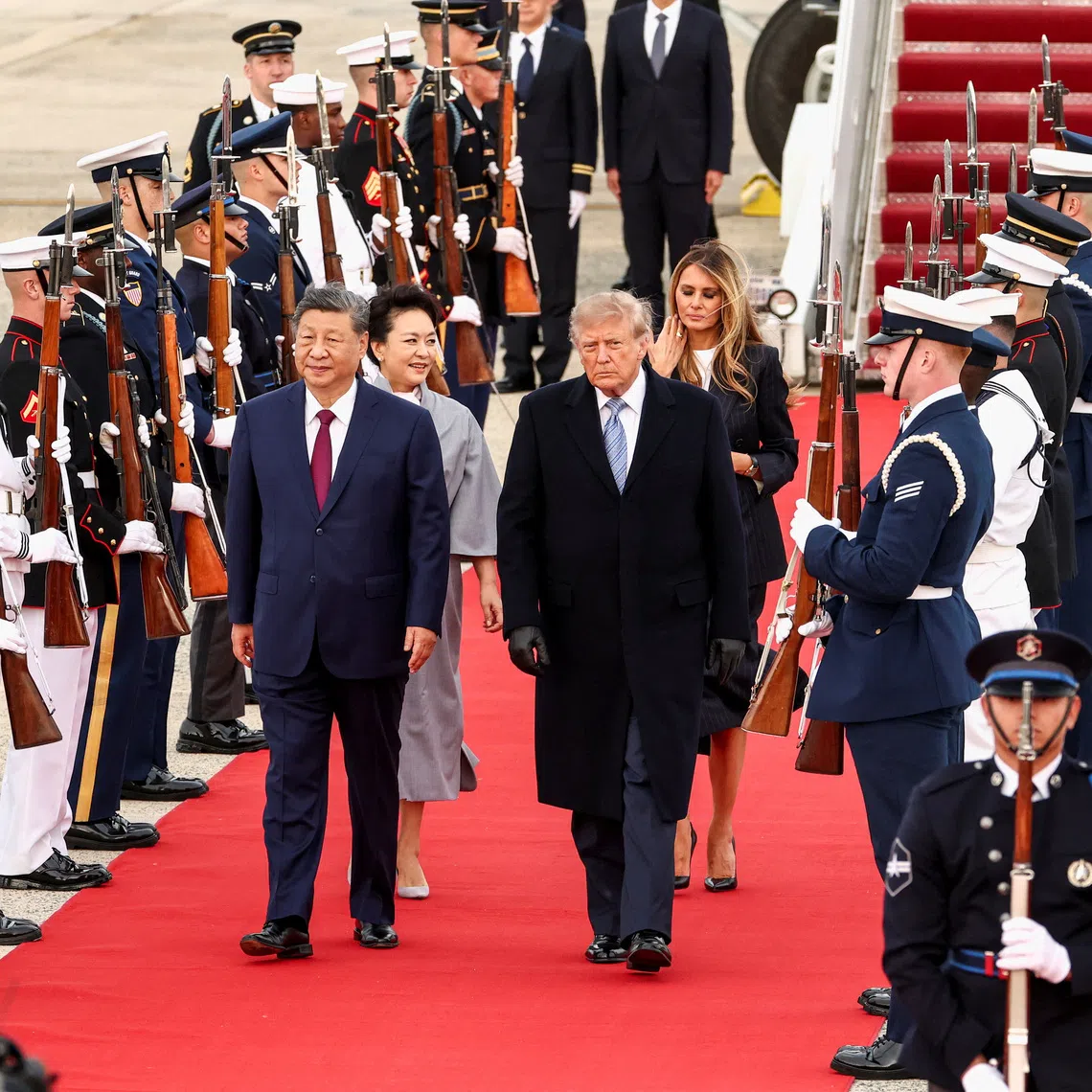
Among the key outcomes of the second summit of the year between President Xi Jinping and US President Donald Trump in Washington last week were reciprocal tariff reductions and an extension of the bilateral trade truce.
According to document releases from the White House, China plans to lower tariffs on a range of US agricultural exports, including corn, wheat, sorghum, beef, dairy products, vegetable oils, and meals, while excluding soybeans from the list.
Beijing also agreed to seek tariff reductions on US seafood and shellfish, timber products, cosmetics, and medical equipment.
The corresponding list from Washington detailed reciprocal tariff reductions on Chinese goods, including household items such as coffee makers, toasters, dinnerware, blankets, and bed linens.
The concessions also extended to products such as children’s car seats, fireworks, artificial flowers, and seasonal holiday decorations like Christmas tree lighting.
Extended trade truce
China’s Commerce Ministry confirmed on Monday that the trade truce with the United States has been extended by two months through January 10, providing both nations additional time to review the existing agreement and determine next steps in resolving ongoing economic and trade matters.
Additionally, the extension offers a “reasonably stable and predictable policy framework” for business collaboration and ongoing dialogue.
The ministry said both sides would hold regular discussions on potential investment opportunities and challenges, improve policy predictability and transparency, and address concerns raised by businesses.
China’s stock market plunged on Monday as underlying tensions resurfaced and investors found little concrete progress to celebrate from the leaders’ meeting.
Technology stocks also fell sharply amid a bipartisan US campaign to ban Chinese components from data centres. The benchmark blue-chip CSI300 index dropped more than 2% to its lowest level in a year.
Direct flights, financial firms, and AI
Also, as part of the US-China trade deal, both parties have agreed to establish a communication channel for issues involving artificial intelligence, with a follow-up meeting scheduled before the end of November.
Additionally, China will evaluate and approve applications from international financial institutions—including entities backed by US capital—to open branches and conduct operations within its borders.
According to the ministry statement, bilateral negotiations regarding the expansion of commercial flights between China and the United States will also continue.
Coal and Agriculture
China’s targeted tariff reductions on select items appear designed to support Beijing in fulfilling a $17 billion commitment to purchase US agricultural commodities, as cited by the White House. Under a previous agreement to acquire 25 million metric tons annually, China has already resumed large-scale procurement of US soybeans.
According to the commerce ministry, both nations will establish an agricultural working group under a joint trade council, with an inaugural meeting scheduled before the end of the year to address regulatory standards and reciprocal market access.
A White House statement confirmed that the presidential summit also produced an agreement for China to purchase 10 million metric tons of US coal annually in 2027 and 2028, representing roughly 2% of China’s total annual coal imports.
Energy commodities such as crude oil and liquefied natural gas were excluded from the tariff reduction list.
Backstory…
Recall that US President Donald Trump welcomed Chinese President Xi Jinping to the White House on September 24 for an elaborate state visit expected to emphasise symbolism more than substance, as both leaders seek to project strong ties despite their deep rivalry.
The leaders of the world’s two largest economies met for the second time this year. The meeting came as both sides continue efforts to negotiate a US-China trade deal amid lingering disagreements over tariffs, technology and market access.
Read Also: Trump Welcomes Xi To Washington As US-China Trade Deal in View