Across Nigeria, a quiet transformation is taking place in classrooms where broken microscopes, outdated equipment, and overcrowded labs have long defined the learning experience. For decades, many science students prepared for practical exams by memorising experiments rather than performing them. Today, virtual laboratories are beginning to change that story.
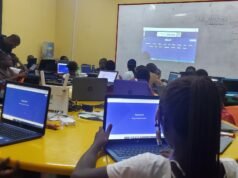
Virtual labs are digital platforms that simulate real scientific experiments. Instead of waiting for limited equipment, students can now conduct experiments on a laptop or even a smartphone. From chemical reactions to physics simulations, these tools recreate laboratory environments in a safe and interactive way.
Recent studies within Nigeria show that this approach is not just convenient but effective. Research involving secondary school students in Kaduna State found that those who used virtual labs alongside traditional teaching recorded significantly better academic performance and confidence in science subjects. This signals a shift from passive learning to active engagement, where students are no longer just observers but participants.
In practical terms, this means a student in a public school in Enugu or Kano can perform the same experiment as a student in a well-equipped private school in Lagos. That kind of equal access has the potential to redefine science education in the country.
Table of Contents
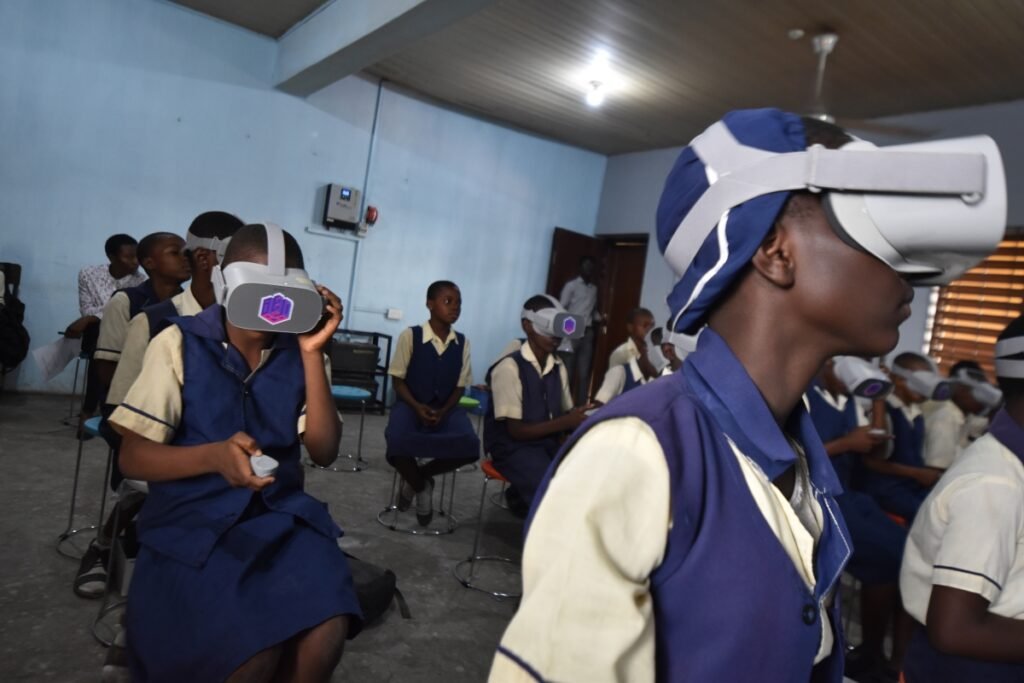
Why Virtual Labs May Solve Nigeria’s Longstanding Challenges
The appeal of virtual laboratories in Nigeria is deeply tied to the realities on the ground. Many schools still struggle with inadequate infrastructure, limited funding, and safety concerns in handling chemicals or equipment. These issues have contributed to poor performance in practical subjects, especially chemistry and physics.
Virtual labs offer a way around these barriers. They eliminate the need for expensive consumables and reduce the risks associated with dangerous experiments. According to education research, they provide a cost-effective and accessible alternative while still improving conceptual understanding and student engagement.
Another major advantage is flexibility. Students can repeat experiments multiple times without worrying about wasting materials. In a typical physical lab, a mistake could mean waiting weeks for another opportunity. In a virtual setting, learning becomes immediate and iterative.
There is also the issue of teacher capacity. Not all science teachers have access to modern lab training or equipment. Virtual platforms can standardise the learning experience by guiding both teachers and students through experiments step by step.
However, it is important to be realistic. Virtual labs are not a perfect replacement for physical labs. Experts consistently emphasise that they should complement, not completely replace, hands-on experiments. The tactile experience of handling real equipment still matters, especially for students pursuing careers in medicine, engineering, or laboratory sciences.
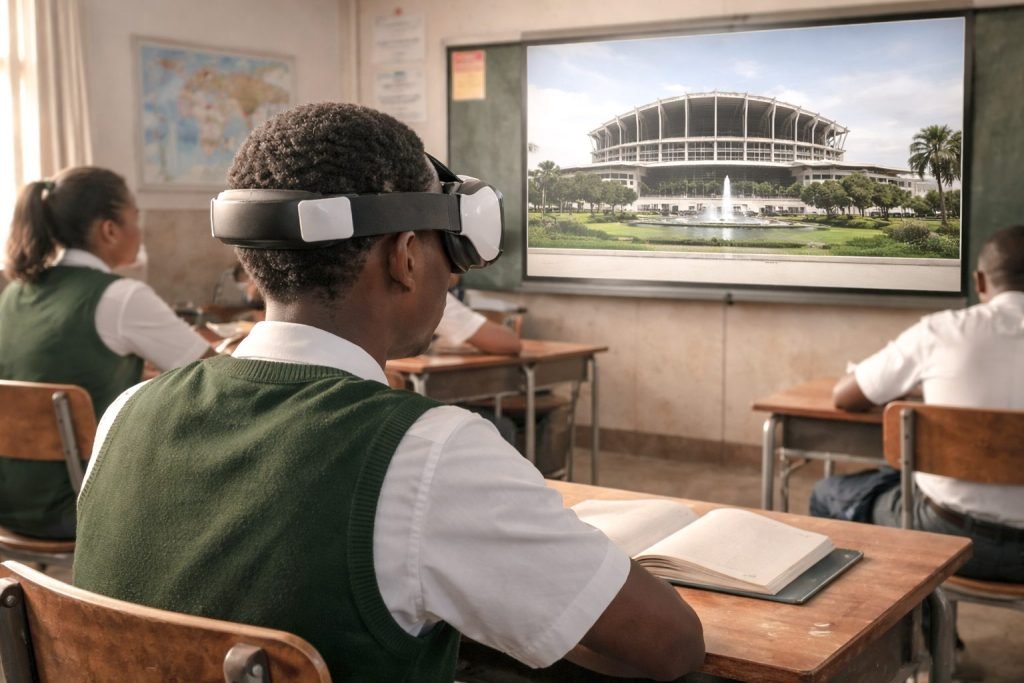
The Role of Technology, Policy, and Investment
For virtual labs to truly thrive in Nigeria, three key factors must align: technology access, government support, and private sector involvement.
First is infrastructure. Reliable internet, electricity, and access to digital devices remain uneven across the country. While urban schools may adopt virtual labs quickly, rural areas risk being left behind. This digital divide is one of the biggest challenges highlighted by researchers studying virtual lab adoption in Nigerian universities.
Second is policy direction. If virtual labs are to become mainstream, they must be integrated into the national curriculum. This includes updating teaching guidelines, assessment methods, and examination formats. Without this alignment, schools may see virtual labs as optional rather than essential.
Third is investment. Developing or licensing high-quality virtual lab platforms requires funding. This is where partnerships with edtech companies, telecom providers, and international organisations become critical. There is already growing interest in technology-driven education across Africa, and virtual labs could be a major beneficiary.
Teacher training is equally important. Introducing new technology without preparing educators often leads to poor implementation. Continuous professional development programmes will be necessary to ensure teachers can effectively use these tools.
Encouragingly, pilot programmes and academic research in Nigeria have already demonstrated that web-based virtual labs can improve teacher training and student outcomes when properly implemented.
What the Future Looks Like for Nigerian Science Students
Looking ahead, the future of virtual labs in Nigeria is not just about replacing broken equipment. It is about expanding what is possible in science education.
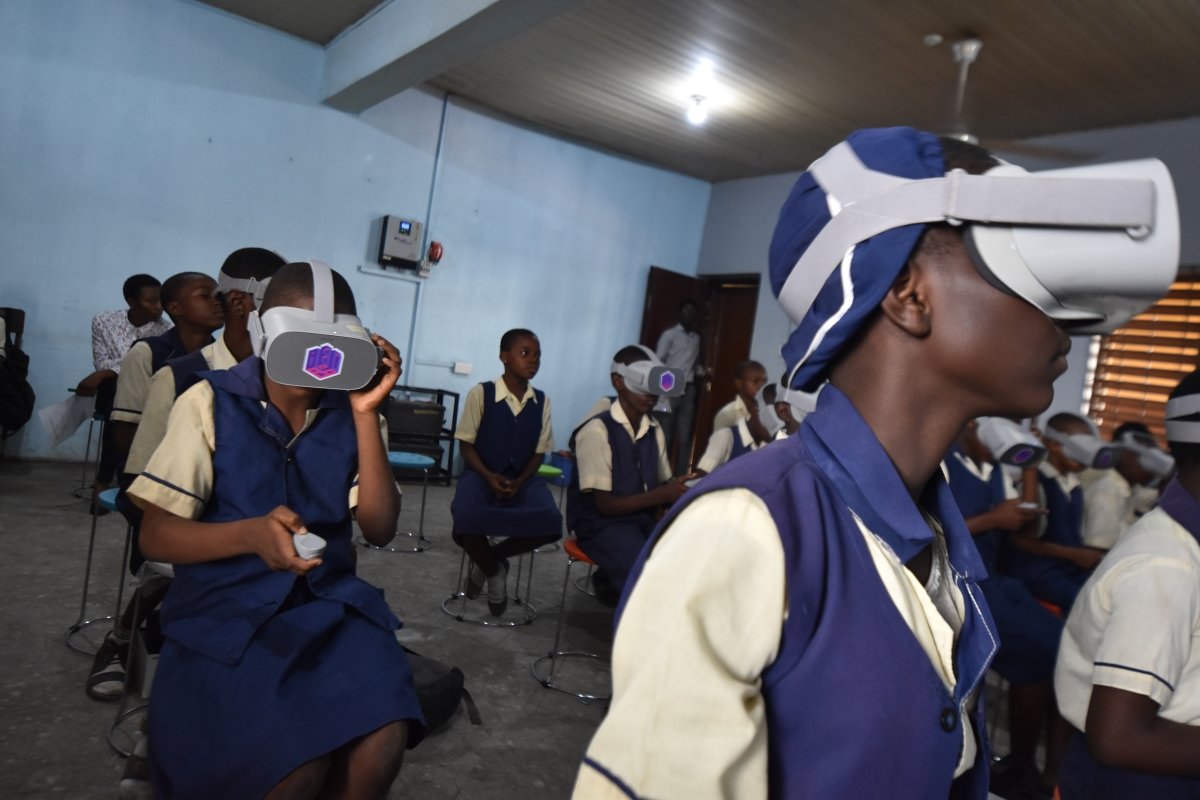
Imagine a student in Abuja exploring complex molecular structures in three dimensions, or a secondary school class in rural Borno conducting physics experiments that would otherwise require expensive apparatus. With advancements in artificial intelligence and virtual reality, these scenarios are becoming increasingly realistic.
Virtual labs also open the door to collaboration. Students from different parts of Nigeria or even across Africa can participate in shared experiments, exchange results, and learn from one another. This kind of exposure can inspire innovation and broaden perspectives.
Beyond the classroom, these tools can prepare students for the global workforce. Many modern scientific fields already rely on simulations and digital modelling. Early exposure to virtual labs can give Nigerian students a competitive advantage.
Still, the future will likely be a blended one. The most effective approach will combine virtual simulations with physical experiments. This hybrid model allows students to build both conceptual understanding and practical skills.
The real opportunity lies in scale. If implemented properly, virtual labs could reach millions of students who currently lack access to functional science laboratories. That alone could transform the quality of STEM education in Nigeria.
In the end, the question is no longer whether virtual labs will become part of Nigerian education. The real question is how quickly the country can embrace them and ensure that no student is left behind.
Join Our Social Media Channels:
WhatsApp: NaijaEyes
Facebook: NaijaEyes
Twitter: NaijaEyes
Instagram: NaijaEyes
TikTok: NaijaEyes
READ THE LATEST EDUCATION NEWS