A recent internal circular allegedly from the West African Examinations Council (WAEC) has stirred widespread concern across Nigeria’s education landscape. The document, reportedly circulated among secondary school principals, seems to contradict WAEC’s earlier public denial of any overhaul to the 2026 examination curriculum. What followed has been a wave of uncertainty among parents, students and teachers, many now demanding immediate clarification on what the 2026 Senior School Certificate Examination (SSCE) will look like.
Many Nigerians recall that WAEC had publicly dismissed rumours of subject-list changes for 2026. The council, through its spokesperson, assured stakeholders that no restrictions on subject selection were in force. But the newly surfaced memo appears to do the exact opposite. Critics argue that its contents confirm the very changes WAEC once denied.
At the heart of the debate is the revelation that computer-related subjects will reportedly be excluded from the 2026 SSCE. Such a move, many believe, undermines the pressing need for digital skills in today’s world, a concern especially poignant in a country striving for greater technological inclusion.
Discrepancies Between Public Statements and Internal Memo
According to the memo, no computer-based or digital-technology subjects will be examined in 2026. This directly conflicts with earlier assurances from WAEC that subject lists had not been changed. Many stakeholders view this as a breach of trust; parents wonder how students will meet entry requirements for computing or tech-driven courses in higher institutions if there is no formal exam in related subjects at SSCE.
The memo also reportedly redefines the structure of trade and elective subjects. Subjects that had been part of standard trade or elective offerings may no longer be compulsory. Schools that built their timetables around the old structure are now left scrambling to reorganise, prompting confusion, especially for students in their final year.
Under this arrangement, students aiming for science or computing-based tertiary courses are being told that only Physics and Mathematics will suffice for admissions, even though they were told, digital-skills subjects will no longer be examined. For many parents and educators, this is a worrying mismatch that could compromise readiness for higher education programmes.
Stakeholder Outrage and Calls for Clarity
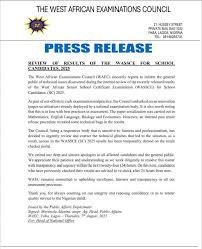
The response from the public has been swift and sharp. Parents, teachers and advocacy groups across the country have demanded that WAEC clarify whether the memo is genuine, and if so, why the council had previously denied making changes. Many see this contradiction as part of a broader pattern of poor communication in Nigeria’s education sector.
One particularly striking concern revolves around the fate of subjects like Civic Education and Data Processing — previously considered vital for a broad-based secondary education. For years, Civic Education has been seen as foundational for citizenship and national identity. Its potential removal has generated anger among parents who believe that moral and civic training remain essential for youth development.
Some commentators have suggested that this confusion reflects deeper issues of governance. They question why children’s academic futures should be subject to mixed messages and uncertain policies. Others argue that such indecisiveness could damage confidence in national examinations and weaken the credibility of institutions responsible for them.

Broader Context: Curriculum Reform and Transition to CBT
These developments come at a delicate time for Nigeria’s education sector, which has recently embarked on sweeping curriculum reforms. The Nigerian Educational Research and Development Council (NERDC), in collaboration with the Federal Ministry of Education, initiated a full curriculum overhaul aimed at reducing subject overload, promoting skill acquisition and aligning Nigeria’s education system with global best practice, according to the FEDERAL MINISTRY OF EDUCATION.
Under the new model, students at all levels will take fewer subjects overall, with greater emphasis on core areas, general courses, and one trade or vocational subject. The changes also propose the introduction of new subjects such as Citizenship and Heritage Studies and Digital Technologies, reflecting evolving priorities in a modern economy.
Moreover, by 2026, all public examinations administered by WAEC — including the West African Senior School Certificate Examination (WASSCE) — are expected to transition to full computer-based testing (CBT). The shift aims to modernise assessment, improve exam security and align Nigeria’s examination system with global standards, according to fmino.gov.ng.
However, official clarifications from WAEC have so far been inconsistent. While some reports confirm the new subject combinations and the minimum eight to nine subjects per student, WAEC remains insistent that curriculum design remains the responsibility of the government, not the examination body.
These conflicting messages have only amplified anxiety among students currently in Senior Secondary School, especially those preparing for the 2026 WASSCE. Many worry the transition is being rushed, jeopardising adequate preparation time.
The confusion surrounding WAEC’s memo has exposed serious gaps in communication and policy alignment within Nigeria’s education system. As parents, students, and educators await clarity, one thing is certain: without a transparent, unified roadmap, trust in national examinations could erode further. Stakeholders now urge WAEC and the Federal Ministry of Education to come forward with clear, consistent guidance before anxiety turns into panic.
Join Our Social Media Channels:
WhatsApp: NaijaEyes
Facebook: NaijaEyes
Twitter: NaijaEyes
Instagram: NaijaEyes
TikTok: NaijaEyes
READ THE LATEST EDUCATION NEWS