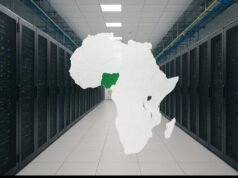
Africa is facing a profound challenge when it comes to water, sanitation and hygiene. Millions of people on the continent still do not have access to basic drinking water, decent washing facilities or safe toilets. As population growth, climate change and rising demand push water needs beyond the current supply, the situation is becoming more urgent. To tackle this, leaders, experts and development partners from across Africa and the world are placing fresh emphasis on how science and technology can help bridge gaps in access to water and sanitation services. This focus has taken centre stage at high-profile discussions hosted by the United Nations Office of the Special Adviser on Africa in partnership with other organisations to address the crises affecting water security and sanitation in communities, according to the United Nations.
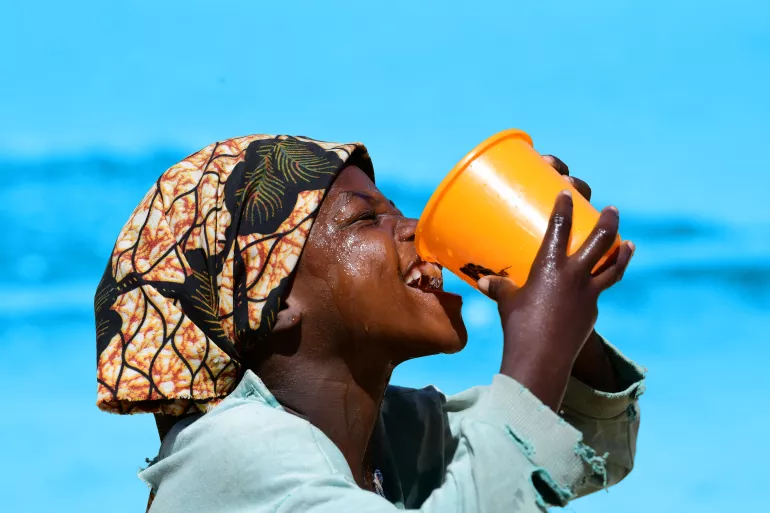
Water is a fundamental element of human life, health and wellbeing. Yet, approximately 411 million people in Africa lacked access to safe drinking water in 2020. This staggering number underscores how far the continent has to go in fulfilling the United Nations Sustainable Development Goals, especially Goal 6, which sets out to ensure clean water and sanitation for everyone by 2030. Water scarcity not only threatens daily life but also affects food production, economic growth, gender equality and peace and stability in many communities. Recognising scientific innovation as part of the solution is a turning point in how governments and partners are tackling the crisis.
Scientific breakthroughs, digital tools and practical innovations are now being recognised as vital for transforming water and sanitation systems across the continent. At the heart of recent conversations is a strong belief that Africa needs solutions rooted in science, technology and innovation to strengthen water resource management, boost sanitation infrastructure and improve hygiene practices in households and public institutions. These discussions are not mere talk events. They are part of coordinated efforts to present evidence based tools, scalable technology solutions and new ways of shaping policy and investment that can bring lasting results.
Why Science and Technology Matter for Water Security and Sanitation
At a recent and important webinar organised by the United Nations Office of the Special Adviser on Africa, in collaboration with the African Capacity Building Foundation and other partners, panellists highlighted how science and technology can deliver practical answers to longstanding water and sanitation challenges. Representatives from governments, research institutions, civil society and technical organisations shared insights on how innovation can shape scalable solutions that work for communities, big cities and rural areas alike.
A major theme of the discussions was how scientific data, new water management approaches and innovation-driven tools can influence decision-making and policy planning. For instance, satellite mapping, mobile technology for water quality testing, advanced sanitation methods and other science-based systems are now being explored as essential tools. Experts emphasised that integrating scientific evidence into policy frameworks helps governments plan effectively for changing environmental conditions, making services more resilient against droughts, floods and other climate-related risks.
The conversations went beyond theory to consider how technology solutions could be financed, deployed and maintained. Governments were urged to strengthen collaborations with the private sector, academia and community leaders to drive both innovation and delivery. There was particular focus on how to scale solutions that have already delivered results at local levels so that they can benefit millions more across national borders. Experts made a case for investment in research, skills development and data-driven strategies that can improve the way water and sanitation services are delivered and sustained.
Connecting Water Security to Broader Development Goals
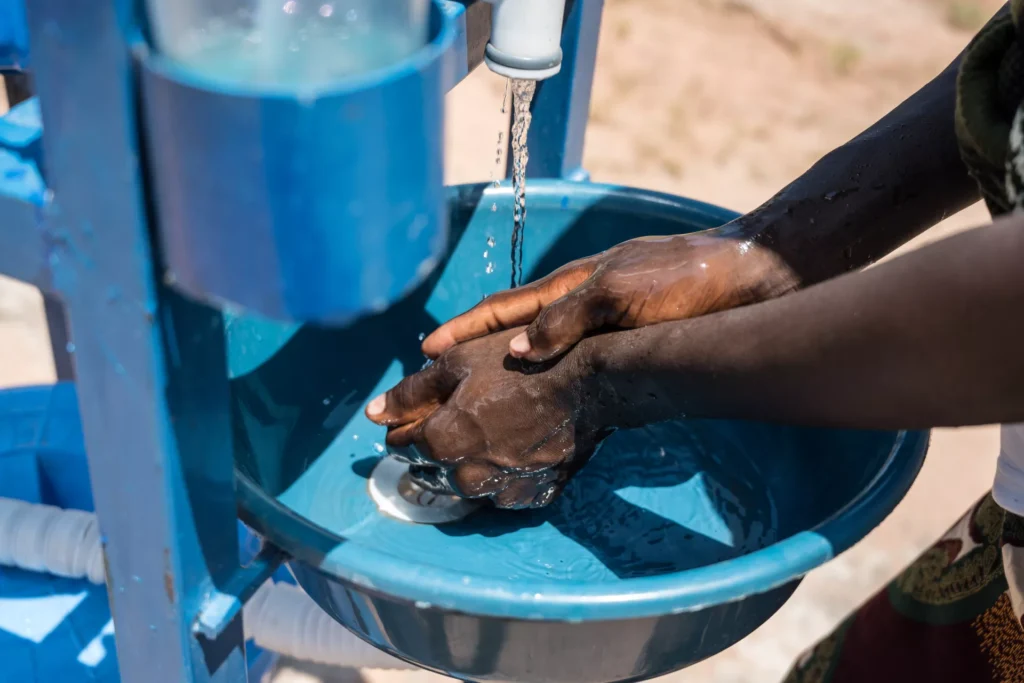
The water crisis in Africa is not isolated. It intersects closely with food security, health, education and economic inclusion. When water is scarce or of poor quality, children are forced to miss school, illnesses rise, and families are pushed into poverty. Women and girls in particular carry the burden of fetching water from far distances, exposing them to health risks and other dangers. Inadequate sanitation and hygiene facilities add to the daily struggles faced by citizens, contributing to outbreaks of waterborne diseases such as cholera, typhoid, dysentery and even neglected tropical diseases. A growing body of research shows that poor water and sanitation practices have further negative consequences on public health, productivity and community wellbeing.
When science and technology are brought into the equation, decision makers can better understand where the gaps are and how to address them systematically. Data collection tools help track access to clean water, monitor sanitation coverage, and improve hygiene practices. Technological platforms enable rapid reporting of water quality issues. Local innovations, combined with strong policy frameworks, help communities manage their own water resources and develop sanitation solutions that are affordable and sustainable. Linking science to everyday solutions encourages accountability and expands the potential to meet the aspirations of the African Union’s Agenda 2063 and the global 2030 development agenda.
What Comes Next for Africa’s Water Security and Sanitation
The renewed focus on science and innovation is now shaping a series of milestones across the development calendar for Africa. The recent webinar sets the tone for upcoming high-level dialogues, forums and conferences where water security and sanitation will remain top priorities. It is expected that insights from these events will feed into major policy decisions, financing frameworks and collaborations aimed at strengthening water and sanitation systems.
Leaders and stakeholders are now charting a course that seeks to move beyond speeches and towards the implementation of actionable, evidence-based solutions. Countries are encouraged to invest in digital infrastructure, support research institutions, and empower local innovators who are developing new ways to tackle water scarcity and sanitation challenges. The emphasis on science-driven solutions means that Africa is looking not just to catch up with global benchmarks but to develop homegrown strategies that fit its unique environments and development aspirations.
Access to clean water, proper sanitation and good hygiene practices are fundamental to human dignity, economic growth and social inclusion. With science, technology and innovation guiding the conversation and action, there is renewed hope that sustainable results can be achieved for millions of Africans. The journey ahead will require commitment from governments, communities, innovators, financial partners and civil society working together to ensure that every citizen can enjoy safe water and sanitation as basic rights.
Join Our Social Media Channels:
WhatsApp: NaijaEyes
Facebook: NaijaEyes
Twitter: NaijaEyes
Instagram: NaijaEyes
TikTok: NaijaEyes