Across the world, governments are no longer treating child online safety as a side issue. It has become a central policy concern as evidence grows that unchecked digital exposure can affect children’s mental health, privacy, and development. From Europe to Asia and beyond, countries are introducing bold laws, stricter regulations, and innovative programmes aimed at protecting young users. For Nigeria and the wider African continent, these global actions offer both lessons and urgency.
Table of Contents
A Global Shift Towards Stronger Digital Protection for Children
In the past, many countries relied on tech companies to regulate themselves. That era is fading quickly. Governments are now stepping in with firm rules to control how children access the internet and social media.
According to Reuters, one of the strongest examples comes from Australia, where a landmark law forces social media platforms to block users under 16. Companies that fail to comply face heavy financial penalties, showing a serious commitment to enforcement.
Indonesia has taken a similar path but on an even broader scale. The country recently began enforcing restrictions that prevent children under 16 from accessing major platforms such as TikTok, Instagram, and YouTube. The move is designed to protect millions of children from cyberbullying, scams, and harmful content.
In Europe, several countries are tightening rules simultaneously. France is moving to ban social media use for children under 15, while Denmark is considering a similar restriction. Greece and Malaysia are also exploring or implementing comparable policies.
These actions reflect a growing global consensus that children need stronger protections online, not just guidance.

Age Limits, Screen Time Rules, and Platform Accountability
Beyond outright bans, many countries are focusing on regulating how long children spend online and what they are exposed to.
The United Kingdom recently introduced national guidance advising no screen time for children under two and limiting usage for younger children. The policy also encourages parents to avoid screens before bedtime and during meals, highlighting concerns about sleep disruption and reduced social interaction.
This approach is not just about restriction but about shaping healthier habits. Authorities are encouraging shared screen use, slower-paced content, and more offline activities.
China has gone even further with a system known as “minor mode,” which enforces device-level restrictions and limits usage time based on age.
Meanwhile, Brazil is targeting the design of digital platforms themselves. The country now requires parental oversight and is working to limit addictive features such as endless scrolling.
This shift towards platform accountability is important. Governments are beginning to recognise that the problem is not just how children use technology, but how technology is designed to keep them hooked.
Legal Pressure on Big Tech and the Rise of Child Safety Laws
Another major development is the increasing legal pressure on technology companies. Courts and lawmakers are starting to hold platforms responsible for harm caused to children.
Recent rulings in the United States have sent a strong signal globally. In one case, a jury found major platforms liable for designing addictive systems that harmed a young user’s mental health. In another, a company was fined hundreds of millions of dollars for misleading users about safety and enabling exploitation.
These decisions are pushing governments worldwide to act faster. Countries like the United Kingdom are now considering stricter laws, including possible bans on social media for under 16s and limits on addictive features.
At the policy level, the European Union has introduced wide-ranging digital safety rules that prioritise children’s privacy and protection while still allowing them to benefit from the internet.
Globally, there is also increasing cooperation. More than 120 countries have pledged to strengthen action against online violence and exploitation of children, showing that this is no longer a local issue but a shared international responsibility.
Education, Parental Involvement, and Africa’s Emerging Role
While laws are important, many experts agree they are not enough on their own. Education and parental involvement remain critical.
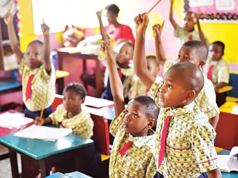
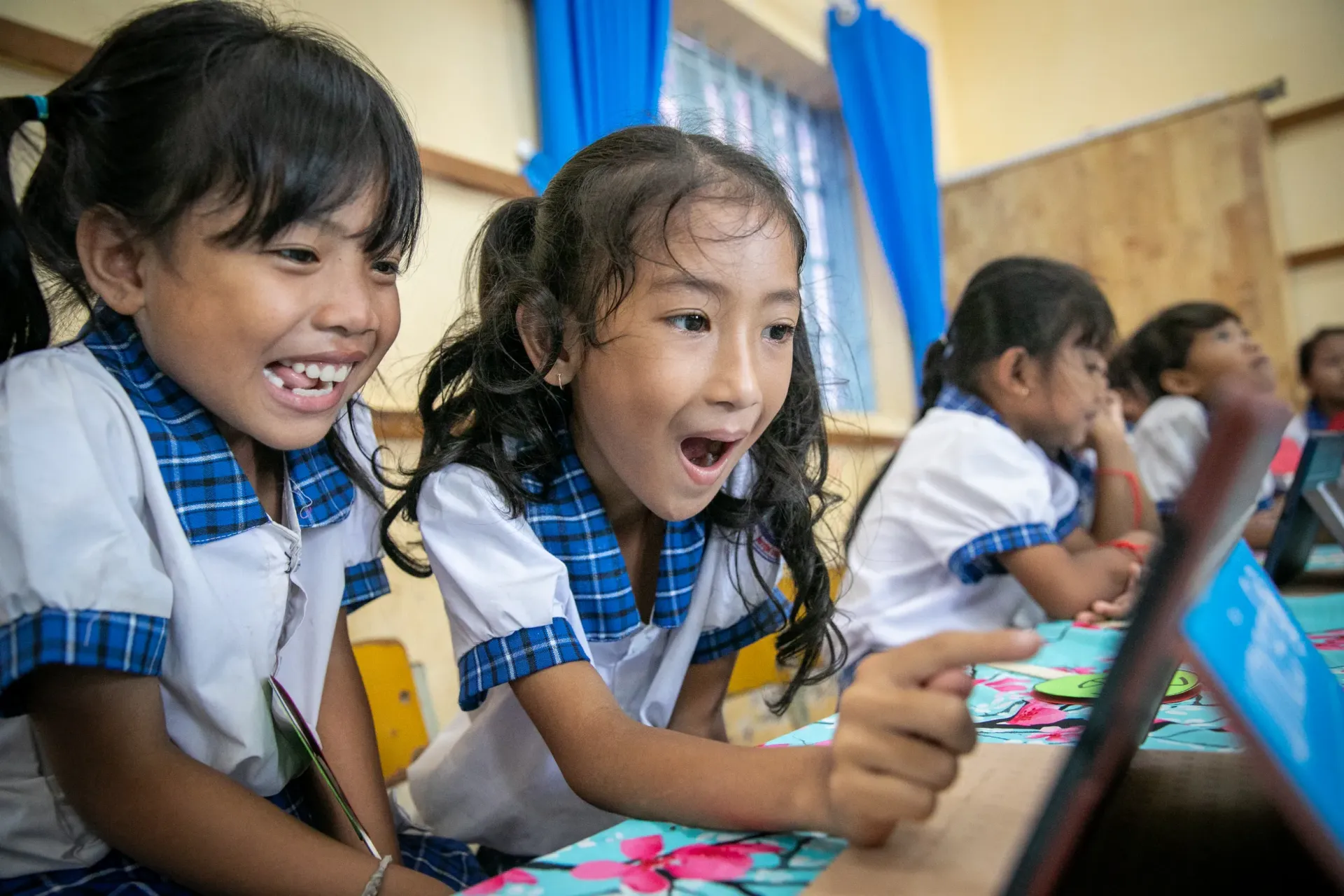
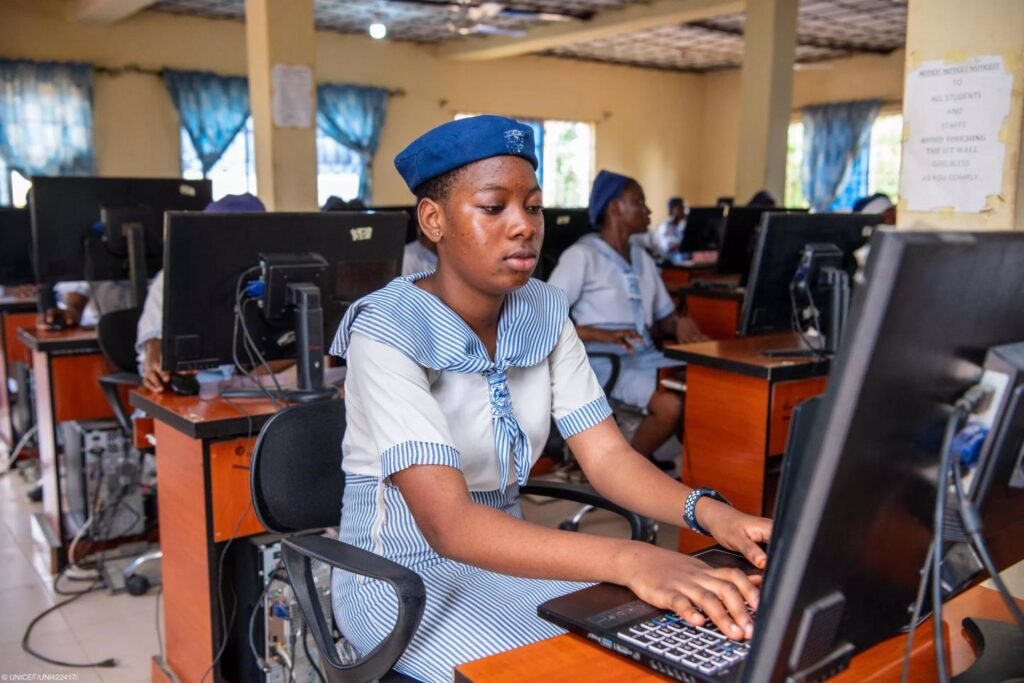
Countries are investing in digital literacy programmes to teach children how to navigate the internet safely. Initiatives supported by organisations like UNICEF focus on building national systems that protect children while also empowering them to use technology responsibly.
Parents are also being encouraged to play a more active role. Simple steps like setting screen time limits, discussing online behaviour, and monitoring app usage are seen as essential complements to government policies.
In Africa, progress is beginning to take shape. The African Union has introduced a continental policy aimed at protecting and empowering children online, making Africa the first region to adopt such a coordinated framework.
For Nigeria, this presents a timely opportunity. With rising internet penetration and increasing smartphone use among young people, the need for structured policies, enforcement, and awareness campaigns is becoming more urgent.
What This Means for Nigeria and the Future
The global message is clear. Protecting children online is no longer optional. Countries are moving from discussion to action, using laws, technology, education, and enforcement to create safer digital environments.
For Nigeria, the lesson is not to copy blindly but to adapt wisely. Policies must reflect local realities while drawing from global best practices. This includes setting age-appropriate access rules, strengthening data protection laws, and holding platforms accountable.
Equally important is public awareness. Parents, schools, and communities must understand that online safety is a shared responsibility.
As digital technology continues to evolve, the challenge will not end. But one thing is certain: countries that act early and decisively will be better positioned to protect their children and secure their future in the digital age.
Join Our Social Media Channels:
WhatsApp: NaijaEyes
Facebook: NaijaEyes
Twitter: NaijaEyes
Instagram: NaijaEyes
TikTok: NaijaEyes