Nigeria’s ambition to build a digitally skilled population is clear, yet many schools across the country are still grappling with the basics. From primary classrooms to secondary institutions, the promise of digital learning remains uneven, shaped by deep structural challenges. While policymakers continue to emphasise technology-driven education, the reality on the ground shows that access, training, and infrastructure gaps are slowing progress.
Table of Contents

The Digital Divide Still Defines the Classroom
One of the biggest reasons many Nigerian schools struggle with digital literacy is the persistent digital divide. This gap reflects unequal access to computers, internet connectivity, and modern learning tools across different regions and income levels.
In many rural communities, students have little or no exposure to computers. Even in urban areas, access is often limited to a few shared devices. The cost of laptops, tablets, and reliable internet remains out of reach for many families, making it difficult for students to practise digital skills outside school.
This inequality creates a situation where some students are already familiar with coding, online research, and digital tools, while others are still learning how to use a mouse. The gap continues to widen as technology becomes more central to education and employment.
Poor Infrastructure and Unstable Power Supply
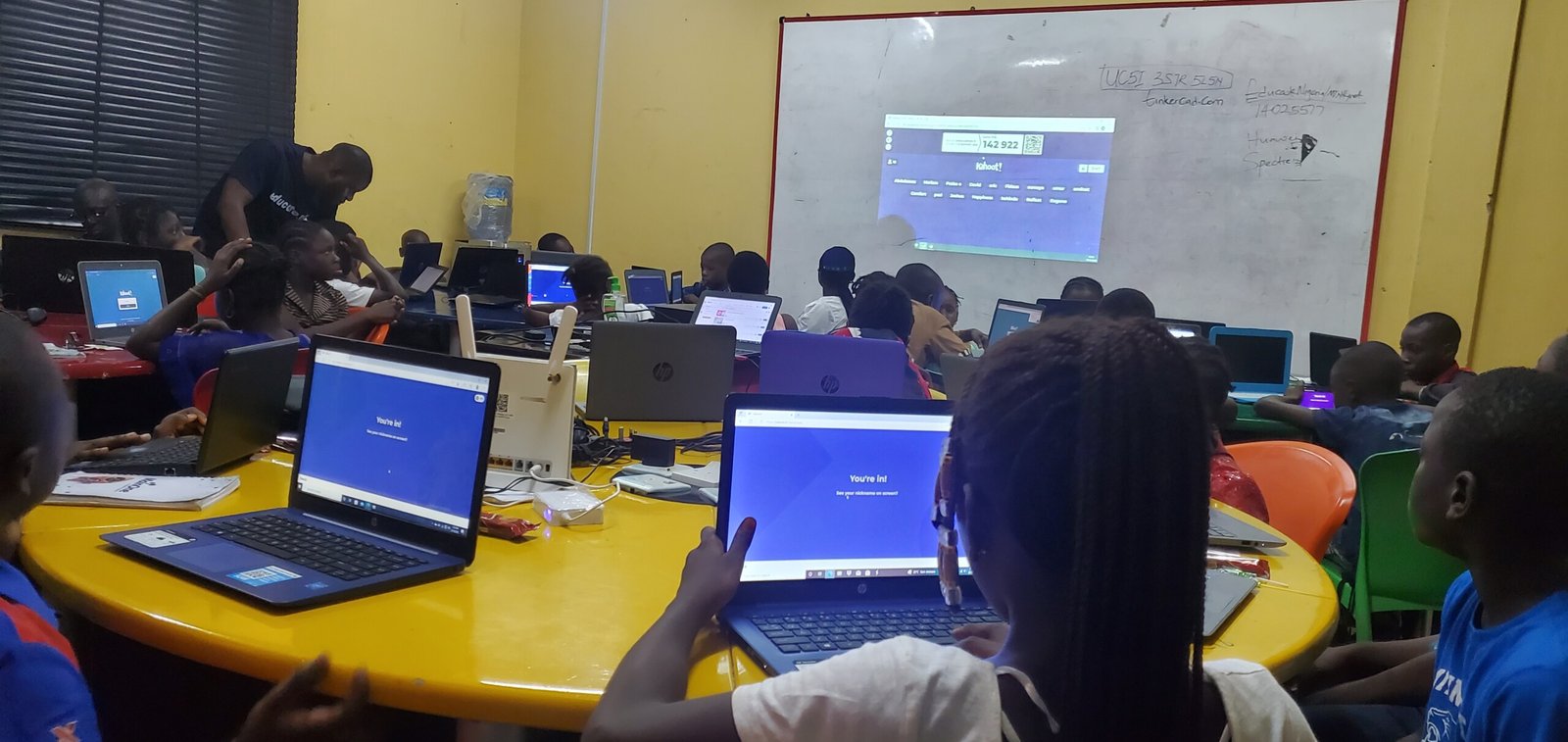
Beyond access to devices, infrastructure remains a major barrier. Many schools lack basic requirements such as steady electricity, functional computer labs, and reliable internet connections.
In several public schools, computers are either outdated or completely absent. Where they exist, they are often not maintained properly. Frequent power outages disrupt lessons and discourage both teachers and students from relying on digital tools for learning.
Even where internet access is available, it is often slow or inconsistent, making it difficult to conduct online classes or use digital learning platforms effectively. These limitations mean that digital literacy is taught more as theory than as a practical skill.
Teachers Are Not Adequately Prepared
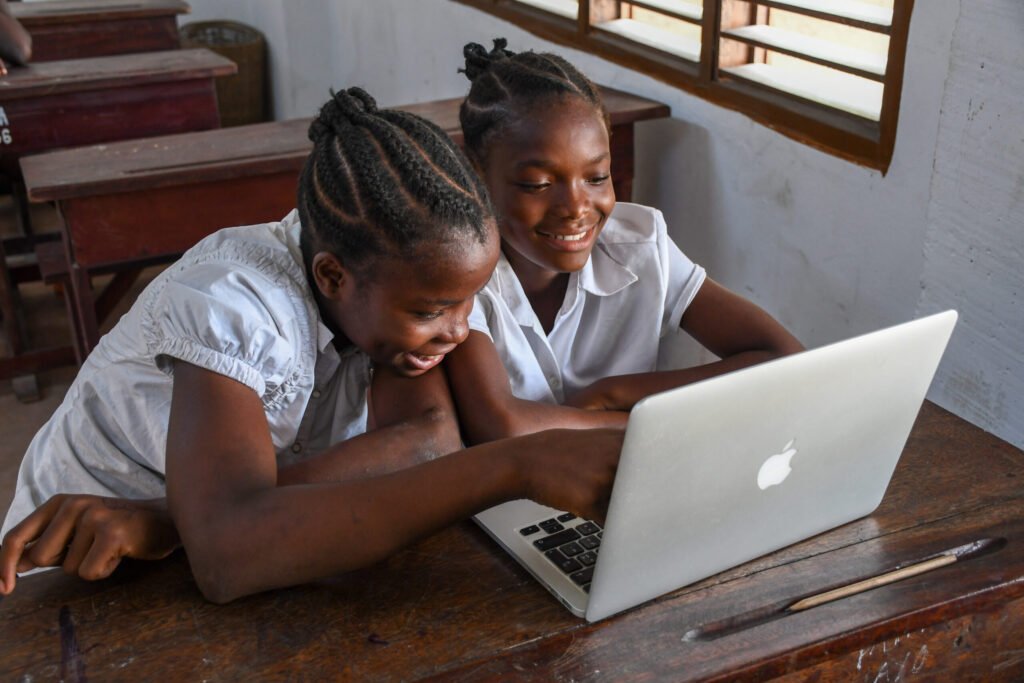
Another critical issue is the lack of proper training for teachers. Digital literacy is not just about having devices in classrooms; it depends heavily on teachers who understand how to use technology effectively.
Many teachers in Nigeria were trained before digital tools became central to education, and they have not received sufficient professional development to adapt.
Research shows that even when technology is available, a lack of teacher confidence and training can prevent its proper use.
As a result, some teachers avoid using digital tools altogether, while others use them in very limited ways. This directly affects students, who miss out on hands-on experience and practical digital skills.
Policy Gaps and Slow Implementation
Nigeria has made efforts to improve education through initiatives led by agencies like the Universal Basic Education Commission, which aims to expand access to quality basic education. However, translating policy into real classroom impact has been slow.
While there are national goals to improve digital literacy, implementation varies widely across states. Funding challenges, bureaucratic delays, and a lack of accountability often limit progress.
There is also a mismatch between curriculum expectations and available resources. Some schools are expected to teach ICT skills without having the tools required to do so effectively. This creates a system where digital literacy exists more on paper than in practice.
The Way Forward for Nigerian Schools
Despite these challenges, there is growing awareness of the need to prioritise digital education. Addressing the problem requires a coordinated approach.
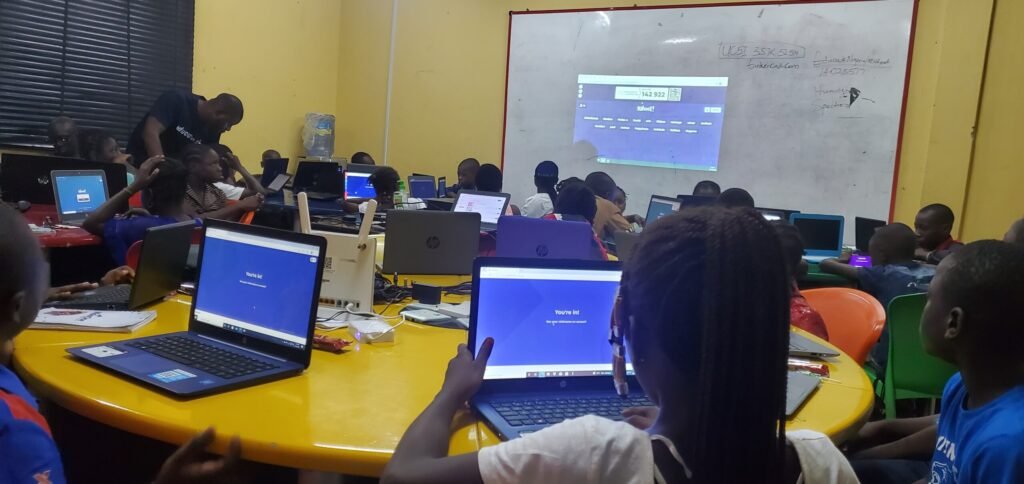
Investment in infrastructure is essential. Schools need reliable electricity, affordable internet, and functional computer labs. Public and private partnerships can play a key role in bridging this gap.
Teacher training must also be prioritised. Continuous professional development programmes can equip educators with the skills and confidence to integrate technology into their teaching.
Equally important is ensuring that digital tools are accessible to all students, regardless of their background. Bridging the digital divide will require deliberate policies that target underserved communities.
If these steps are taken seriously, Nigeria can move closer to a future where every student is digitally empowered, not just a privileged few.
Join Our Social Media Channels:
WhatsApp: NaijaEyes
Facebook: NaijaEyes
Twitter: NaijaEyes
Instagram: NaijaEyes
TikTok: NaijaEyes
READ THE LATEST EDUCATION NEWS