Nigeria’s energy landscape continues to encounter structural headwinds. Fresh economic figures reveal that Nigeria’s power sector contracts again, shrinking by 10.63% year-on-year in real terms during the second quarter of 2026.
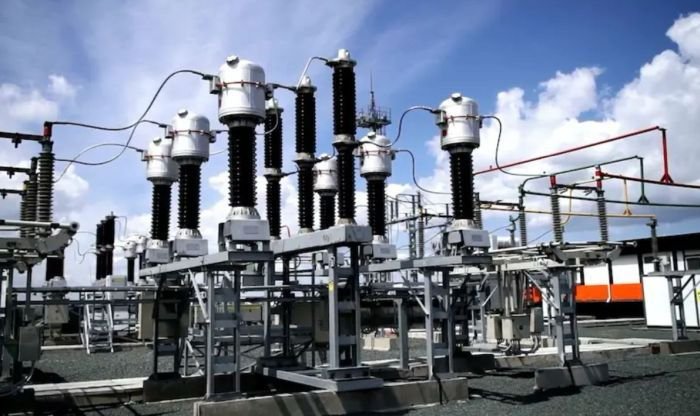
Data released by the National Bureau of Statistics (NBS) shows that while the broader national economy expanded by 4.43% in Q2 2026, the electricity, gas, steam, and air-conditioning supply sector slipped further into negative territory. Though an improvement from the 15.30% decline recorded in Q1, this second consecutive quarterly drop highlights deep-seated operational challenges that continue to constrain domestic industrial activity.
Backstory: Structural Gaps and the Quest for Energy Stability
To understand why Nigeria’s power sector contracts again, one must examine the long-standing bottlenecks across the nation’s electricity value chain. For decades, power distribution networks, generation companies, and industrial consumers have struggled with systemic liquidity shortages and infrastructure deficits.
Also Read BREAKING: FG to phase out power sector subsidy from next year
A brief timeline of structural dynamics illustrates these ongoing pressures:
- 2013: Unbundling of the Power Holding Company of Nigeria (PHCN) aimed to boost private investment, yet liquidity gaps persisted.
- 2025: Thermal power plants recorded improved average hourly output across 16 grid-connected stations, showing signs of temporary relief.
- Q1 2026: Sector real output contracted sharply by 15.30%, setting off alarming signals for industrial power consumers.
- Q2 2026: Real contraction continued at 10.63%, confirming a prolonged downturn despite nominal sector revenue reaching N1.26 trillion.
As reported by Nairametrics, high operational costs, gas supply constraints, and grid instabilities continue to squeeze real productivity across factories and commercial enterprises.
Key Metrics: Nominal Growth vs. Real Output Decline
Financial expansion on paper has failed to yield actual increases in electricity output. While nominal values rose sharply due to price adjustments, physical supply and generation metrics contracted.
According to official NBS statistics, the contrast between nominal performance and real output remains stark:
- Real Q2 Contraction: Decreased by 10.63% year-on-year in real terms.
- Real Q1 Contraction: Dropped by 15.30% in the preceding quarter.
- Nominal Sector Growth: Grew by 0.87% year-on-year in Q2 2026, down from 4.98% in Q1.
- Nominal Value Expansion: Rose from N324.83 billion in Q1 to N1.26 trillion in Q2 2026.
- Fiscal Contribution: Generated N62.12 billion in Company Income Tax (CIT) in 2025.
Strategic Solutions to Revitalize the National Grid
Overcoming this decline requires targeted policy intervention and sustainable capital investment. Industry experts suggest several measures:
- Expanding Gas Supply Delivery: Securing stable domestic gas pricing and pipeline infrastructure to keep thermal plants operating efficiently.
- Upgrading Grid Transmission: Investing in modern, high-voltage transmission equipment to prevent nationwide grid collapses.
- Resolving Market Illiquidity: Enforcing disciplined revenue collection to ensure distribution companies meet financial commitments to power generation firms.