
Nigeria’s higher education system is facing a problem that traditional university expansion alone may not solve. Every year, millions of young Nigerians seek admission, yet the number who eventually secure places remains significantly lower.
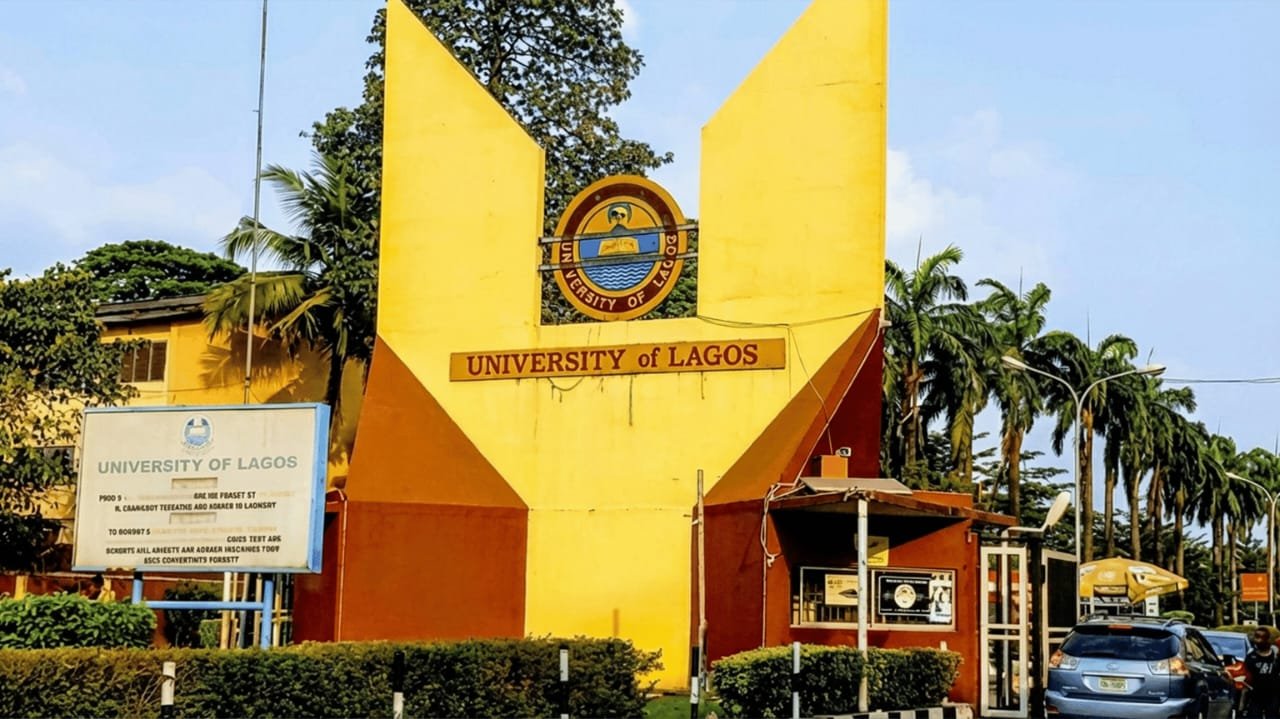
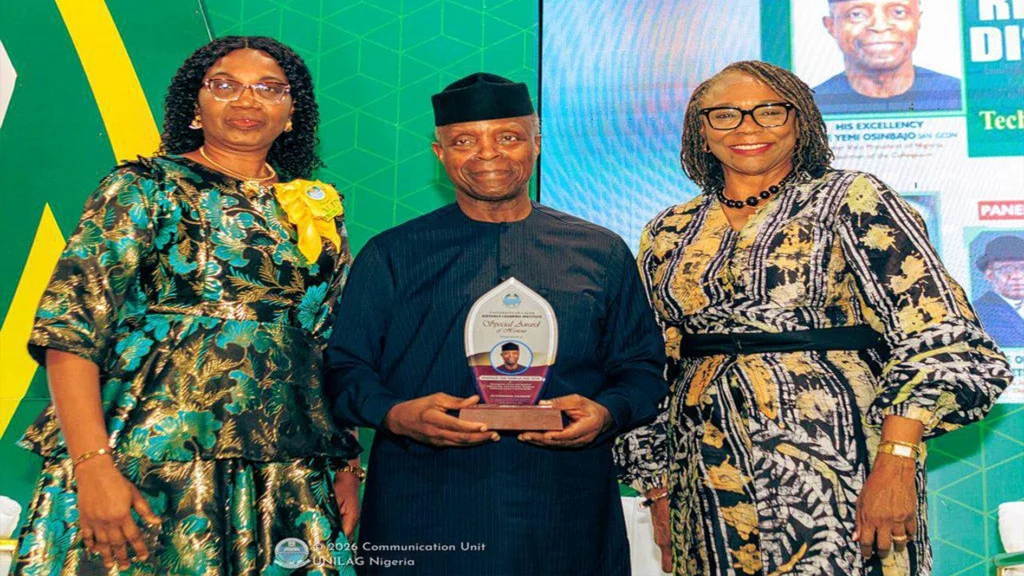
That gap is now pushing open and distance learning into the centre of the education conversation. At the University of Lagos Distance Learning Institute’s fifth colloquium on August 25, 2026, education stakeholders argued that Nigeria needs to rethink how university education is delivered if it wants to meet rising demand. The event focused on technology, policy and institutional priorities for strengthening open and distance learning.
Former Vice-President Yemi Osinbajo, speaking at the event, said the conventional university system alone could struggle to absorb future demand. He pointed to the approximately 2.2 million candidates who sought admission through JAMB in 2026, with only about 35 per cent gaining admission.
Also Read: African Countries Unite to Push Affordable Internet Access and Lower Smartphone Costs
Nigeria’s university admission problem requires more than new campuses
Nigeria has expanded its university system considerably, but access remains a major challenge. Recent reporting based on JAMB figures found that more than five million applicants were unable to secure admission between 2021 and 2025.
Yet there is another side to the problem that deserves attention. A policy brief published in August 2026 found that 706,418 approved tertiary admission spaces were not filled in the 2025 admission cycle. That means Nigeria’s education challenge is not simply about building more universities. It is also about ensuring existing capacity is accessible and matched with the needs of students.
Online universities could help address part of this problem by making location less important. A student in Abuja, Kano, Port Harcourt or a smaller community would not necessarily need to relocate to attend a university offering the required programme.
For working Nigerians, parents and people who cannot commit to daily campus attendance, the flexibility could be even more valuable. Students can study around employment and other responsibilities while universities can potentially reach more learners without expanding physical infrastructure at the same pace.
Online universities are already becoming a bigger part of Nigerian education
Nigeria is not starting from zero. The National Universities Commission currently maintains an approved framework for open and distance learning and lists numerous university distance learning centres, including those operated by the University of Ibadan, University of Lagos, University of Abuja, Ahmadu Bello University and the University of Nigeria.
UNILAG is also expanding its distance learning offerings. For the 2026/2027 academic session, its Distance Learning Institute announced programmes in areas including accounting, business administration, finance, economics, public administration and education. Candidates for the programmes do not sit for UTME and are expected to have basic ICT skills for the institute’s technology-enabled blended learning system.
The University of Ibadan is taking another step with UI eCampus. In August 2026, the university announced fully online postgraduate programmes approved for 100 per cent online delivery, targeting professionals and graduates in Nigeria, Africa and the diaspora.
These developments suggest that online education is gradually moving from an alternative arrangement to a more established component of Nigerian higher education.
Back story: Access will only matter if online education is affordable and credible
The biggest mistake would be to treat online universities as a simple technology solution. A digital classroom does not automatically create a good university.
Nigeria still has problems with electricity, internet access, the cost of mobile data, digital devices and students’ ability to learn effectively without regular physical interaction. There are also concerns around assessment, academic integrity, data protection and the use of artificial intelligence.
Education experts recently called for stronger quality assurance mechanisms for open and distance learning as AI, micro-credentials, open educational resources and cross-border education become more common.
For Nigeria, therefore, the future may not be about choosing between traditional universities and online universities. A stronger approach could combine both. Physical universities can continue to provide laboratories, practical training and campus experiences, while online systems can expand access, flexibility and lifelong learning.
The real opportunity is to build an education system where a student’s location is no longer the biggest barrier to obtaining a recognised university degree. With proper regulation, reliable technology and affordable access, online universities could become one of the most practical ways for Nigeria to respond to its growing demand for higher education.
Also Read: NUC Backs Open, and Distance Learning as Nigeria Struggles to Meet University Demand