In a strategic move that reaches deep into the heart of Bangladesh’s development challenges, the World Bank has approved additional financing to expand work and income opportunities for young people and small business owners across the country. This announcement, made in mid-December 2025, reflects a renewed global effort to tackle unemployment and unleash the economic potential of millions of citizens who struggle to find sustainable livelihoods, according to a report by the World Bank.
Table of Contents
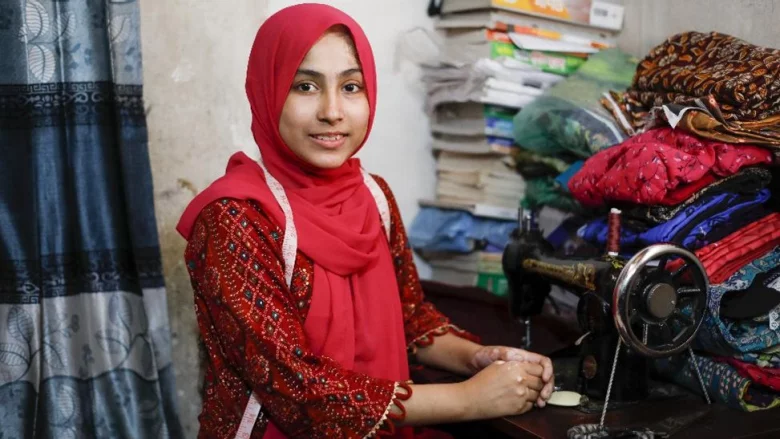
A bold World Bank investment to unlock youth potential
In a press release from Washington, the World Bank revealed it has approved $150.75 million in new funding to support the Recovery and Advancement of Informal Sector Employment (RAISE) Project in Bangladesh. This follows earlier investment in the same initiative, bringing the total commitment to $350.75 million aimed at helping people who are most vulnerable to economic exclusion.
The expanded funding is expected to directly benefit around 176 000 young Bangladeshis, on top of the more than 233 000 who have already been reached by the programme. Beyond the numbers, this is about transforming lives by equipping young workers and microentrepreneurs with the tools they need to flourish in today’s rapidly changing economy.
World Bank officials highlighted the challenge that confronts Bangladesh’s youth: many young people enter the labour market each year but struggle to find jobs that match their skills or offer a decent income. This financing aims to close that gap by building practical skills, expanding job placement support and creating more pathways into work.
Comprehensive support to bridge skills gaps
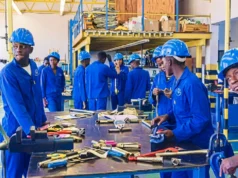
Participants in the expanded RAISE initiative will receive a suite of support services designed to address the core barriers that young job seekers and small business owners face in Bangladesh. These services include:
- Skills training that aligns with current market needs
- Apprenticeships that build real workplace experience
- Entrepreneurship development to nurture business ideas
- Access to microfinance that helps launch or grow small enterprises
Together, these measures aim to break down the traditional hurdles of unemployment and underemployment by linking training with real opportunities for income and growth.
The programme also plans to widen its reach beyond the main cities and into rural areas, where opportunities have often lagged. This rural expansion is vital to ensuring that young people across Bangladesh, including those in less developed regions, are not left behind.
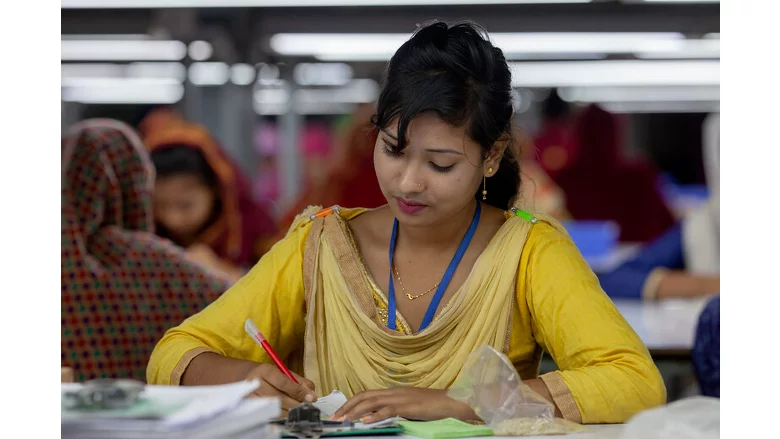
Women’s empowerment and innovative solutions
A unique element of this new financing lies in its focus on women’s participation in the economy. Recognising the multiple barriers that women often face, the programme will pilot a range of innovative approaches that improve access to income-earning opportunities:
- Home-based childcare services, with training and start-up funding for women
- Life skills training to build confidence and leadership abilities
- Support for female-led businesses and ventures
By helping to fill childcare gaps and offering tailored skill-building, the initiative aims to remove some of the most persistent obstacles to women’s full participation in the workplace. This is expected to boost female labour force participation while creating new jobs in the care sector.
The initiative also includes job placement efforts such as job fairs and systems that match employers with skilled candidates, alongside support for marketing and contract negotiations. These create direct linkages between training and job opportunities, rather than leaving graduates to navigate the labour market on their own.
Early results and future prospects
The RAISE programme, launched in 2021, has already shown promising results. A majority of apprentices who completed their training — over 80 percent — found employment within three months, and young entrepreneurs reported improvements in earnings and business practices. These outcomes underline the value of targeted support in turning training into real economic gains for individuals and their families.
Experts involved in the project believe that scaling up what has already worked can generate broader economic and social benefits across Bangladesh. Aneeka Rahman, a senior World Bank economist and team leader on the project, emphasised that the additional financing will allow proven approaches to be expanded and innovations like quality childcare services to be introduced more widely.
For many young Bangladeshis from low-income families, this programme offers more than jobs. It represents a pathway out of uncertainty and hardship, a chance to build skills that are valued in the labour market, and an opportunity to contribute meaningfully to their communities.
The wider context for development in Bangladesh
Bangladesh’s economy has grown significantly in recent decades, with strong strides in poverty reduction and GDP growth. However, growth has not always translated into inclusive employment opportunities, especially for young people in informal sectors. Unemployment and underemployment remain pressing challenges, particularly in rural areas and among women.
The World Bank’s expanded support for the RAISE project comes at a time when the country faces multiple development pressures. Climate vulnerability, skills mismatches, and the needs of a growing workforce all require carefully designed and responsive policy solutions. The programme’s focus on climate-resilient livelihoods also reflects an understanding that economic opportunities must be sustainable.
At the community level, targeted interventions can have ripple effects. When young people secure stable work, the benefits extend to their families and local economies. When women are empowered to earn and manage income, the effects often spread through household wellbeing, children’s education, and community development. These linkages are well recognised by development experts and were part of the rationale for the World Bank’s investment.
What the future holds
Looking ahead, the expanded programme by the World Bank sets the stage for a more inclusive labour market in Bangladesh. By focusing on skills, entrepreneurship, microfinance and gender equity, the project aligns with the broader goals of sustainable development and economic resilience. As the country continues to transform, initiatives like this will be critical in ensuring that growth translates into real, shared prosperity for young people and families across all regions.
In a world where youth unemployment remains a global concern, Bangladesh’s approach provides lessons on how targeted financing, tailored services and community-centred policies can make a tangible difference in people’s lives. If successful, this model could inspire similar efforts across the region and beyond.
Join Our Social Media Channels:
WhatsApp: NaijaEyes
Facebook: NaijaEyes
Twitter: NaijaEyes
Instagram: NaijaEyes
TikTok: NaijaEyes
READ THE LATEST EDUCATION NEWS