Global financial markets are finding firmer ground this week as investor confidence recovers from recent volatility and traders look ahead to key corporate earnings results. While optimism is growing around technology and industrial profits, demand for safe-haven assets like gold and copper is climbing sharply. Broad trends in equities, commodities and currencies suggest a shifting outlook as investors balance optimism with caution about inflation, geopolitical tensions and policy decisions in major economies.
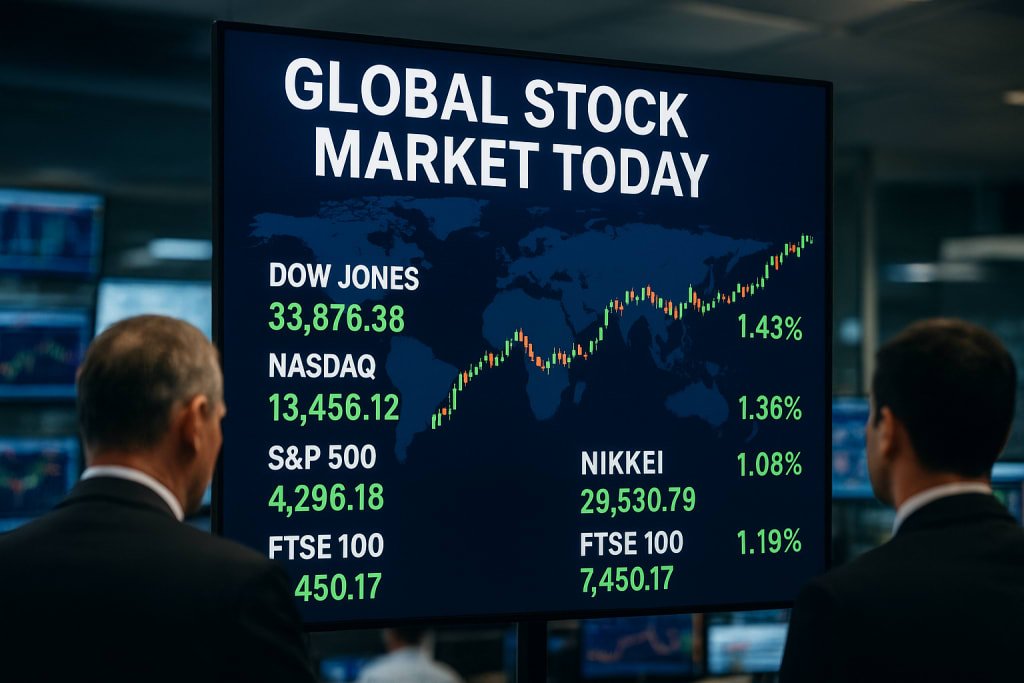
Markets around the world showed positive moves on Thursday, with major stock indexes in Europe and parts of Asia trending higher. This gain comes as investors await high-profile earnings reports later in the week, particularly from leading technology companies, which many see as bellwethers for global economic momentum. Optimism that earnings will outperform forecasts is keeping traders in a buoyant mood, helping to lift confidence on stock exchanges after weeks of uneven performance.
At the same time, commodity markets are capturing attention as prices soar. Precious metals such as gold and silver hit record highs as investors seek protection against persistent uncertainty and inflationary pressures in global markets. Meanwhile, industrial metals like copper are also near historic peaks, underlining strong demand expectations even as supply constraints and geopolitical risks influence capital flows.
Table of Contents
Stocks and Sentiment: Tech Earnings in Focus
Equity markets moved higher in Europe, with indexes in Britain, Spain and France all posting gains. The positive momentum reflects investor focus on the upcoming quarterly earnings season. Many traders are particularly watching results from major U.S. technology companies. Expectations that these firms will report strong earnings have encouraged broader optimism across global share markets.
In the United States, futures tied to the S&P 500 and Nasdaq indexes were modestly higher, indicating that Wall Street traders are not shying away from risk assets ahead of earnings reports. This sentiment has helped sustain stock values in Europe and Asia, even though some regional markets remain sensitive to economic data coming out of China and other major economies.
Despite gains in equities, markets are also keeping a close eye on sectors that have faced recent pressure. Industrial groups and financial stocks remain vulnerable to shifting interest rate expectations, while some consumer discretionary industries struggle with uneven demand growth in key regions. Investors are also watching currency movements as major central banks signal their outlooks for borrowing costs in 2026.
One of the big questions driving sentiment is whether interest rate cuts by major central banks will materialise later this year. After a recent decision by the U.S. Federal Reserve to leave interest rates unchanged, markets have adjusted expectations about when and how much rates might be lowered in the coming months. This decision has a ripple effect around the globe because it influences borrowing costs, currency strength and business investment.
Commodities on the Rise as Investors Seek Stability
Precious metals are in the spotlight with record-breaking demand for gold and silver. Gold, traditionally viewed as a store of value in times of uncertainty, climbed sharply as traders reacted to elevated risk levels in global markets. Even as stock markets rally, demand for gold as an alternative store of wealth remains high. A significant part of this surge is driven by investors seeking to hedge against potential inflation and economic slowdowns.
Meanwhile, industrial metals such as copper have also seen strong price gains. Copper, widely used in construction, electronics and renewable energy infrastructure, touched record highs as physical demand continues to outpace supply. The metal’s performance is closely watched by market participants as a bellwether for global economic health. When copper prices rise significantly, it often signals confidence in industrial demand and future growth prospects.
Oil prices also climbed, reflecting ongoing geopolitical tensions and concerns about supply disruptions. Geopolitical risk factors, including tensions in the Middle East, have heightened traders’ sensitivity to potential supply shocks, pushing energy prices upward. This has reinforced the idea that commodities will remain central to investment strategies as global markets navigate uncertain macroeconomic conditions.
Commodity strength has helped underpin gains in related sectors, including basic materials and miners, which benefited from rising metal prices. These industries play a vital role in the global economy, and their performance offers clues about broader trends in infrastructure investment and manufacturing activity worldwide.

China’s Economic Influence on Global Markets
China’s role in the global economic landscape continues to be a key factor for investors. Recent developments suggest both challenges and opportunities as the second-largest economy adjusts its policies to support growth. Reports that authorities have eased long-standing borrowing limits on property developers have lifted sentiment in some sectors, with developer shares rising as a result. This move is seen by some analysts as an effort to stabilise the real estate market, which has been a drag on overall growth.
At the same time, broader economic data show that China’s economy is navigating pressures from shifting domestic demand and global headwinds. Industrial output and consumer spending indicators have shown mixed signals, prompting policymakers to consider targeted fiscal and monetary measures to encourage recovery. External trade figures, however, remain resilient, with foreign trade hitting new highs in recent months, supporting confidence in China’s external economic links.
Investor sentiment toward Chinese markets has been complex. On one hand, there is renewed interest in domestic equities, driven by optimism around technology and industrial sectors. On the other hand, concerns linger about long-term growth prospects and the strength of the domestic demand recovery. This has created a nuanced picture for global investors who are trying to balance potential returns with risk exposure to China-focused assets.
Foreign investment flows have also been a topic of interest. Some global investors have adjusted strategies to account for capital movements into and out of China, reflecting confidence in certain sectors while remaining cautious in others. These shifts highlight China’s growing integration into international financial markets and the importance of domestic policy signals in influencing investor behaviour.
Why This Matters to Global Investors
For market participants in Nigeria and across Africa, these global trends matter because they help shape the environment in which local assets are valued and traded. Nigeria’s financial markets are tied to global commodity prices, particularly oil and metals. As global energy and metals prices rise, there can be a positive impact on export revenues and fiscal performance for commodity-exporting countries. At the same time, currency movements and risk sentiment abroad can influence capital flows into emerging markets, including Nigeria’s capital markets.
Investors are also watching how corporate earnings shape market direction. Strong results from major multinational companies often set the tone for broader market sentiment, either reinforcing confidence in growth or triggering reconsideration of valuations. For example, technology companies’ earnings performance is now a key driver of investor expectations for growth sectors around the world.
Central bank policies remain crucial. Decisions made by institutions such as the U.S. Federal Reserve, the European Central Bank and others have profound effects on global liquidity, interest rates and investment strategies. These policies can impact borrowing costs for businesses and consumers, influence exchange rates, and affect flows of capital across borders.
Finally, the interplay between geopolitical developments and market responses cannot be ignored. Tensions in oil-producing regions, trade policy shifts and macroeconomic data from major economies all feed into market expectations. These forces can drive volatility but also create opportunities for investors who are able to interpret global signals and adjust their strategies accordingly.

Conclusion
Global markets are navigating a delicate balance of optimism and caution at the start of 2026. Broad stock indices have responded positively to earnings expectations, while commodities like gold and copper surge amid risk-off sentiment and industrial demand. China remains a major influence on global economic trends, with policy shifts and trade performance affecting investor confidence worldwide. Against this backdrop, global financial markets reflect a dynamic investment landscape where earnings results, policy decisions and geopolitical events will continue to shape economic outcomes in the weeks and months ahead.
Join Our Social Media Channels:
WhatsApp: NaijaEyes
Facebook: NaijaEyes
Twitter: NaijaEyes
Instagram: NaijaEyes
TikTok: NaijaEyes