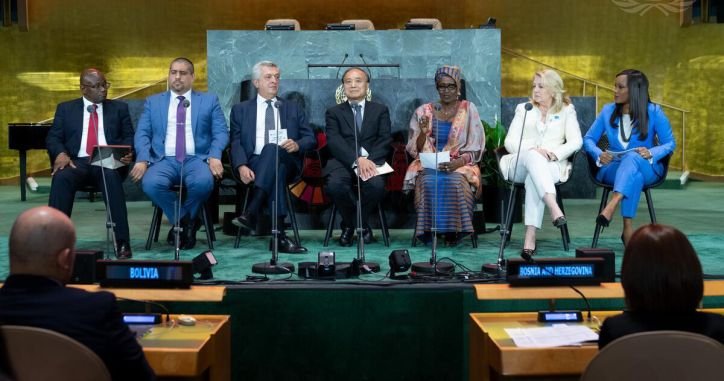
As of 28–29 August 2025, a significant global convergence is underway in Santiago de Chile — the World Summit on Teachers (WST). Organised by UNESCO and hosted by the Government of Chile, this summit is nothing short of a watershed. It brings together education ministers, teacher unions, development partners, non-governmental organisations, and advocates from all corners of the world. The urgent focal point is a staggering global shortage: some 50 million more teachers are needed by 2030 to fulfil the promise of inclusive, quality education for all.
According to Education International, this shortage is particularly pronounced in Sub-Saharan Africa, where some 15 million teachers are required, followed by Southern Asia with 7.8 million, and Europe and North America trailing with nearly 5 million short. With teacher attrition rates reportedly doubling in some regions since 2015 — largely due to poor working conditions, low compensation, and mounting stress — the stakes have never been higher.
The summit is more than a meeting; it’s a pivotal call to move from recommendations to action. It signals a collective commitment to reversing systemic neglect and elevating the teaching profession as a global priority.
Table of Contents
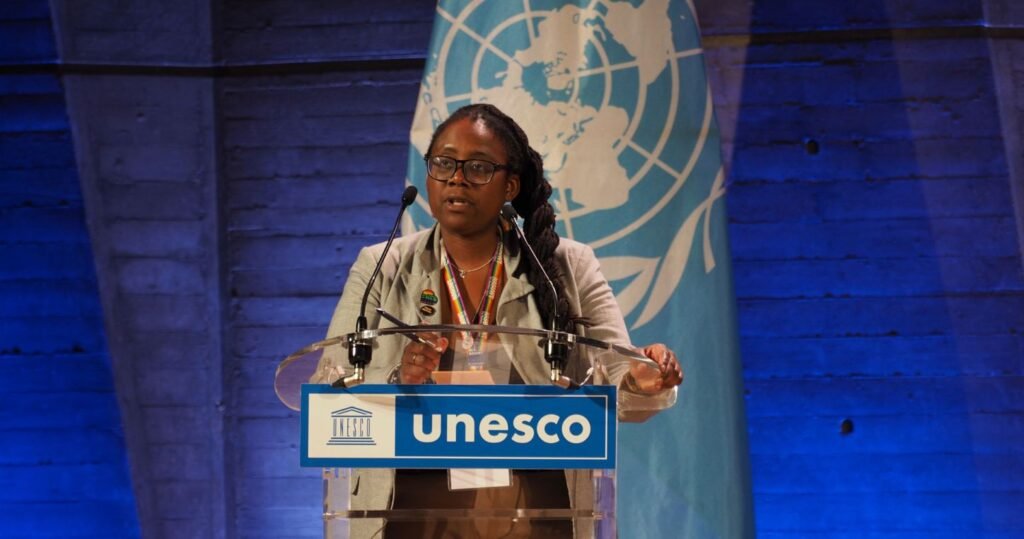
Demands from the Frontline: Teachers on the Global Stage
At the heart of the summit is Education International (EI) — the global union federation representing over 33 million educators worldwide. EI arrives in Santiago armed with a clear mandate: to demand fair pay, decent working conditions, job security, professional development, and meaningful involvement in education policymaking.
In no uncertain terms, EI and its allies are calling for an end to the “de-professionalisation” of teaching. They reject quick fixes like watering down qualification standards and instead insist on investment in professional integrity and the future of education.
David Edwards, EI’s General Secretary, captured the sentiment: “This Summit represents our moment to transform the teaching profession globally… What we need now is for governments to commit resources and implement the UN recommendations.”
EI’s demands are bold and uncompromising:
- Competitive salaries that reflect teachers’ professional expertise.
- Manageable workloads so teachers can focus on quality teaching.
- Job security and clear paths for career advancement.
- Continuous, free professional development.
- Teacher participation in shaping curriculum and policy.
- Protection of academic freedom and union rights.
Moreover, EI is urging governments to allocate at least 20% of national budgets and 6% of GDP to education — with an explicit call to shield education spending from austerity measures.

From Recommendations to the Santiago Consensus
Eighteen months have passed since the United Nations released its recommendations on the teaching profession. Now, in Santiago, governments and unions have an opportunity to turn words into concrete plans.
The summit’s programme includes a series of strategic gatherings:
- 26 August: A “Go Public! Conversatorio” to frame the conversation.
- 27 August: Pre-summit mobilisations and planning.
- 28–29 August: Official negotiations, thematic sessions, and adoption of the Santiago Consensus — a declaration of shared commitments to transform global education systems.
The Summit’s live coverage allows global audiences to follow proceedings in real time. Sessions include themes such as AI’s role in teacher development, policy strategies for attrition and recruitment, and closed-door discussions to solidify structural solutions.
The Santiago Consensus will be a litmus test: will the international community back this with real political will, or let public education remain a distant ideal?
A Turning Point for Public Education
Beyond compelling numbers and agreements, the summit carries a deeper moral weight. It highlights stark choices: while military spending soared to US$2.4 trillion in 2023, education budgets were slashed — and in nearly 80% of countries, debt servicing now exceeds public education funding.
EI and global education advocates are unanimous: education is a human right, and teachers are its linchpins. Governments must reverse course and invest in the profession. Without adequate funding, equitable access to education and future global development are at risk.
Mugwena Maluleke, EI’s President, put it powerfully: “This crisis is not inevitable… the UN’s recommendations provide a clear roadmap. Now, governments must act”
Voices from every continent — from Senegal to Brazil, Palestine to Australia — have converged in Santiago to inject urgency and solidarity into policy corridors.
Join Our Social Media Channels:
WhatsApp: NaijaEyes
Facebook: NaijaEyes
Twitter: NaijaEyes
Instagram: NaijaEyes
TikTok: NaijaEyes
READ THE LATEST EDUCATION NEWS