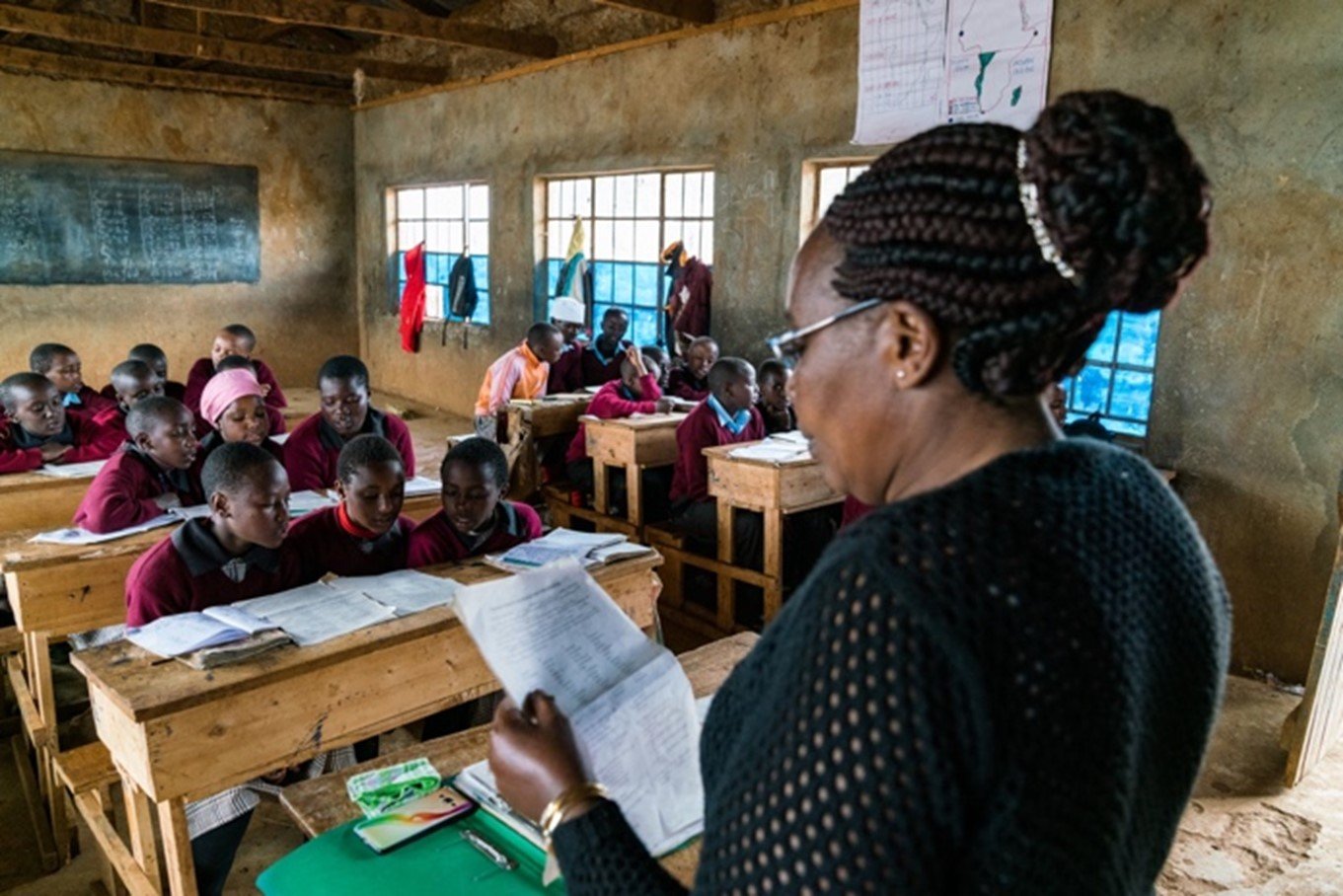
The global education sector is entering a decisive period as governments, institutions, and development partners intensify efforts to improve learning outcomes, leadership quality, and education equity. One of the key events shaping this direction is the 2026 KEMI International Conference on Education Leadership, which aligns closely with findings and priorities from the UNESCO Global Education Monitoring Report (GEM Report).
This conference brings together education policymakers, researchers, and practitioners to address leadership gaps in education systems, especially across Africa. It also reflects the broader global push under Sustainable Development Goal 4, which focuses on inclusive and equitable quality education for all.
At a time when millions of children remain out of school or are not achieving basic literacy and numeracy skills, this conversation is more urgent than ever. The focus is not just on access, but on how leadership decisions in education systems directly shape learning outcomes, teacher performance, and long-term national development.
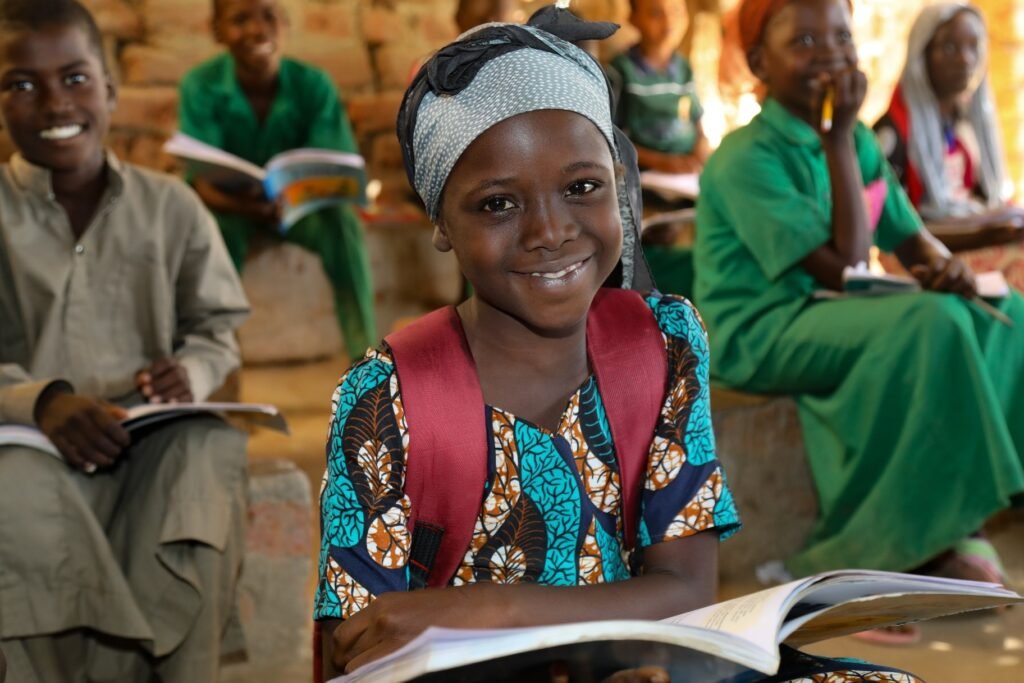
The role of the KEMI International Conference in reshaping education leadership
The Kenya Education Management Institute (KEMI) is hosting the 2026 International Conference on Education Leadership in Nairobi, Kenya. The event is scheduled for April 13 to 17, 2026 and is expected to attract education leaders from across Africa and other regions.
The conference is designed as a platform for exchanging ideas on how school leadership can be strengthened to improve learning outcomes. It focuses on practical solutions, research findings, and policy discussions that can help transform education systems at the school and national levels.
A major highlight of the conference is its focus on instructional leadership. This refers to how school leaders directly influence teaching quality, classroom practices, and student performance. Rather than focusing only on administration, the emphasis is on leadership that actively supports learning improvement.
Key thematic areas include governance in education, inclusive learning strategies, education technology integration, and sustainable development in education systems. These themes reflect the growing recognition that education leadership must evolve to meet modern challenges, including digital transformation and climate-related disruptions.
The conference also provides a platform for comparative learning, where countries can share experiences and lessons on what is working and what is not in education reform efforts.
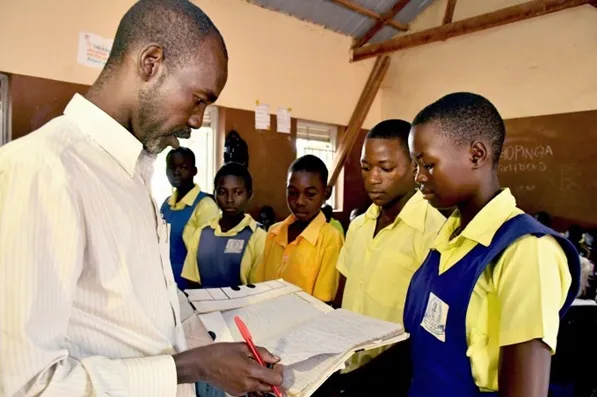
How the UNESCO GEM Report frames the leadership challenge
The UNESCO Global Education Monitoring Report provides a strong evidence base for understanding the importance of leadership in education. The 2026 edition highlights access and equity as major global priorities, noting that hundreds of millions of children and young people are still excluded from meaningful education opportunities.
According to the report, progress toward global education goals is uneven, and many education systems are still struggling with inequality, poor learning outcomes, and weak accountability structures. These challenges are especially visible in low and middle-income countries, including many in Africa.
The GEM Report stresses that leadership is a central factor in determining whether education reforms succeed or fail. Strong leadership at the school, district, and national levels helps ensure that policies are properly implemented, teachers are supported, and resources are effectively used.
It also highlights the importance of data-driven decision-making. Education leaders are encouraged to use reliable data to identify gaps in learning, track progress, and design targeted interventions. Without this, reforms often remain on paper without real impact in classrooms.
Another major insight from the report is the need for equity-focused leadership. This means prioritising learners who are most disadvantaged, including children in rural areas, girls facing barriers to education, and students affected by poverty or conflict.
What this means for Africa and the future of education systems
For Africa, the 2026 KEMI conference and the GEM Report findings come at a critical time. Many countries on the continent are implementing major education reforms, including curriculum updates, digital learning initiatives, and teacher training improvements. However, the success of these reforms depends heavily on leadership capacity.
In countries like Nigeria, Kenya, Ghana, and others, education systems are under pressure to improve learning outcomes while also expanding access. Population growth, limited funding, and infrastructure challenges make this even more complex.
This is where leadership becomes a defining factor. Effective education leaders are not just administrators. They are change drivers who understand how to build strong school systems, motivate teachers, and ensure that students actually learn.
There is also a growing need for innovation in education leadership. Technology is becoming more important in classrooms, but without trained leaders who understand how to integrate it properly, digital tools can become underutilised or ineffective.
Furthermore, climate change and social inequalities are now directly affecting education systems. Schools are increasingly required to adapt to disruptions such as flooding, displacement, and economic instability. Leadership training must therefore include resilience planning and crisis response strategies.
The KEMI conference is expected to contribute to this conversation by showcasing research, policy models, and real-world case studies that can help African countries strengthen their education systems in practical ways.
Conclusion: Building stronger leadership for stronger education systems
The 2026 KEMI International Conference on Education Leadership, in alignment with insights from the UNESCO GEM Report, highlights a clear message. Education reform cannot succeed without strong, informed, and accountable leadership.
Across Africa and the wider world, the focus is shifting from access alone to quality, equity, and system effectiveness. This shift requires leaders who can translate policy into classroom reality and ensure that no learner is left behind.
As countries work toward achieving global education targets by 2030, events like this conference serve as important platforms for collaboration, learning, and innovation. They reinforce the idea that improving education is not only about building schools or changing curricula, but about strengthening the people who lead the system.
Ultimately, the future of education will depend on how well leadership is developed, supported, and sustained at every level of the system.
Join Our Social Media Channels:
WhatsApp: NaijaEyes
Facebook: NaijaEyes
Twitter: NaijaEyes
Instagram: NaijaEyes
TikTok: NaijaEyes
READ THE LATEST EDUCATION NEWS