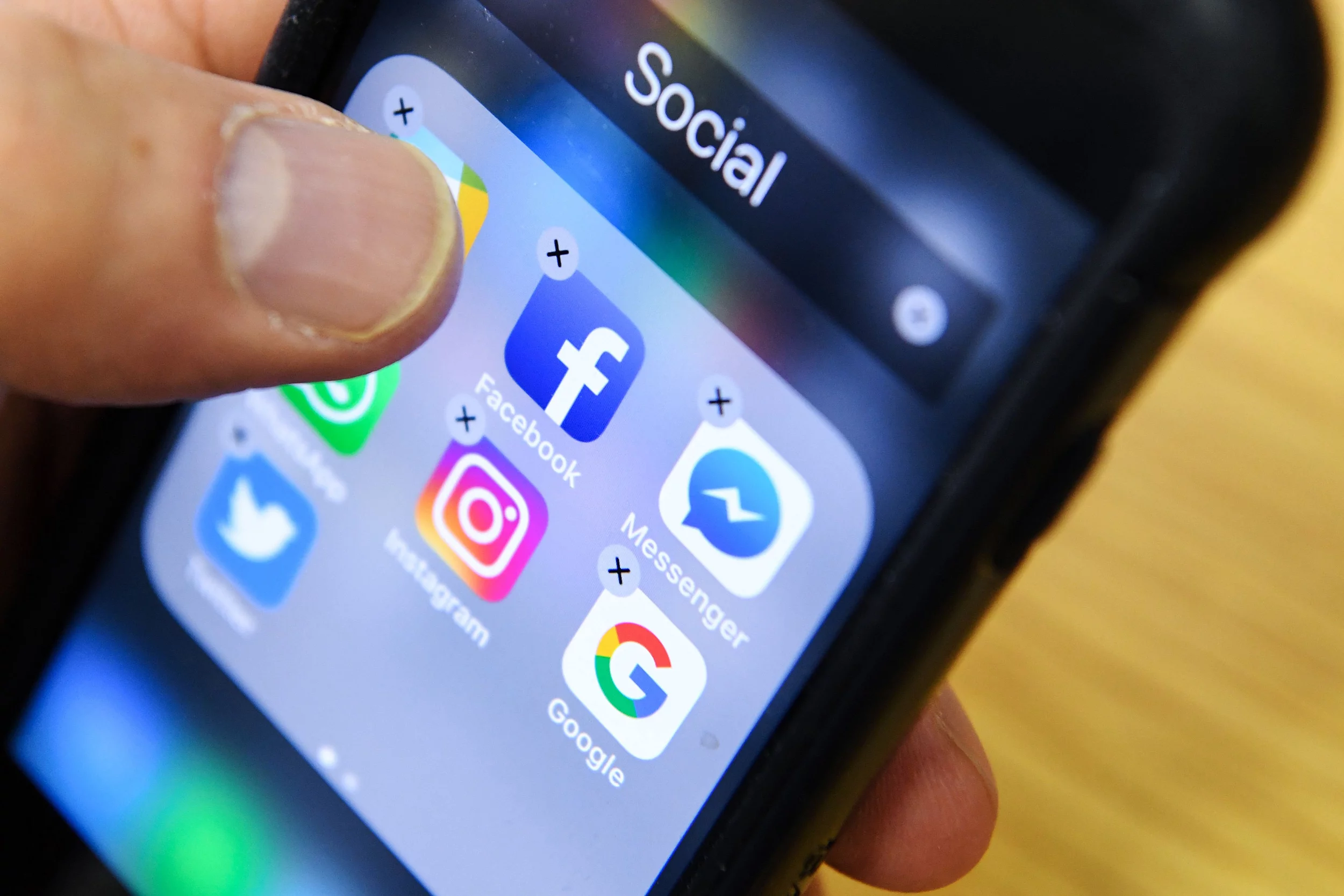

In a sweeping move to clamp down on what it terms “offensive content” and online misbehaviour, the National Information Technology Development Agency (NITDA), working in conjunction with the Nigerian Communications Commission (NCC) and the National Broadcasting Commission (NBC), announced that more than 13 million social-media accounts have been shut down for violating Nigeria’s Code of Practice for Interactive Computer Service Platforms.
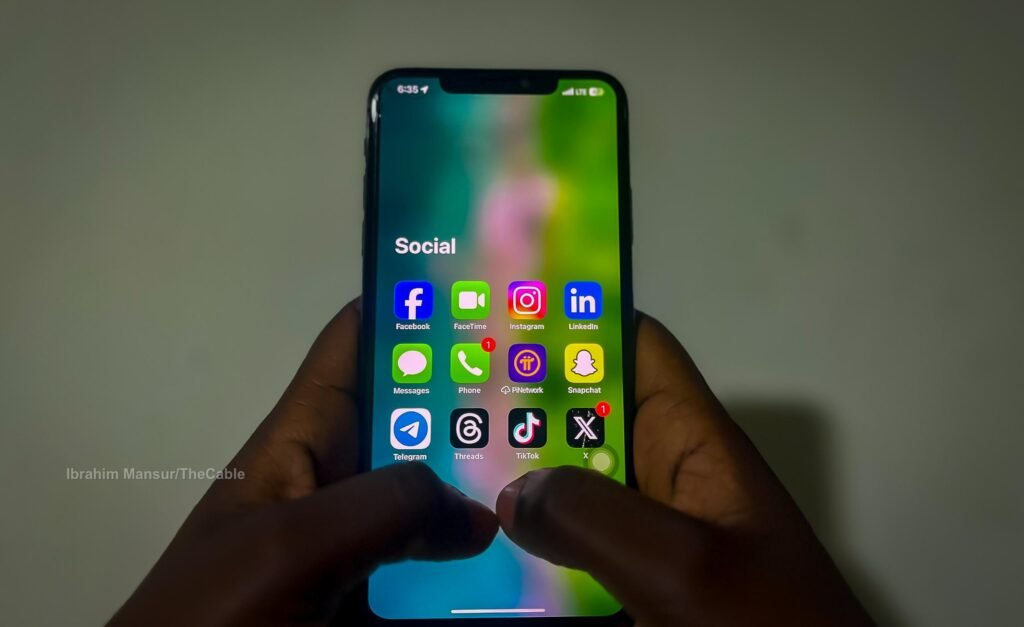
Officials say that the enforcement stems from the 2024 compliance report, which cites the removal of about 58.9 million pieces of offensive content, and over 750,000 user complaints processed across major platforms including TikTok, Facebook, Instagram and X (formerly Twitter).
The announcement has sparked widespread commentary—some lauding the government’s attempt at digital accountability, others warning of possible overreach. As the dust settles, Nigerians and tech-industry watchers alike are trying to make sense of how this move will impact freedom of expression, platform governance, and digital life in Nigeria.
How the Crackdown Happened — and What It Entails
According to NITDA’s director of communications, the move followed submission of the Code of Practice 2024 Compliance Report by major online platform operators, including Google LLC and TikTok Inc.. The Code of Practice, issued jointly by NCC, NITDA and NBC, spells out registration requirements, obligations for online intermediaries operating in Nigeria, and mechanisms to police harmful content.
On the numbers:
- Total accounts shut down: approximately 13,597,057.
- Offensive content flagged: around 58,909,112 items.
- User complaints registered: circa 754,629.
The government notes that no platform is above scrutiny, and compliance will continue to be monitored. Meanwhile, the platforms themselves express cooperation, while also raising questions about clarity, process and rights of users.
From a practical perspective, internet users are now being asked to expect stricter moderation, less tolerance for flagged posts, and a more rigorous verification of accounts. For platform operators, the demand is for transparent processes, clear appeals mechanisms, and alignment with Nigerian regulatory expectations.
Implications for Users, Platforms and the Digital Ecosystem
This large-scale action carries significant consequences.
For everyday Nigerians: The move signals that what is posted online may no longer be in a lawless zone. Posts deemed offensive—or that draw large volumes of complaints—can trigger shutdowns of accounts, even en masse. Some users worry this could chill legitimate speech, especially political expression, satire or dissent. Others see it as overdue discipline in an environment rife with fake news, harassment and harmful content.
For online platforms and tech businesses: The pressure is on to stay compliant with local laws if they wish to operate in Nigeria. They must improve content moderation, reporting transparency, and local-law responsiveness. Platforms must also balance local regulation with global ideas of free expression and user rights—no small task.
For governance and rule-of-law in digital space: The crackdown shows that Nigeria is seeking to shift from “Wild West” internet to a more governed digital terrain. If managed well, this could strengthen trust and safety online. On the flip side, lack of clarity, arbitrary enforcement or lack of accountability risks undermining trust and raising fears of censorship.
Experts also warn of the “slippery slope” – once regulators start shutting millions of accounts for content violations, what are the safeguards to prevent abuse? What appeals process exists for wrongly-flagged users? These questions are just as germane now as the numbers themselves.
What Comes Next: Monitoring, Reform and Public Response
As the dust settles, the key next steps are already emerging. First, enforcement agencies should publish clearer guidelines about what constitutes “offensive content” or what triggers account shutdowns. This will help transparency and protect legitimate speech.
Second, platforms must publish transparency reports tailored to the Nigerian context: how many Nigerian users flagged content, how many accounts were removed, how appeals were handled—this both builds trust and ensures accountability.
Third, civil society and digital rights organisations must engage in oversight, ensuring users’ rights are protected and that enforcement does not become arbitrary. Without this, the chilling effect the measure may trigger could harm free speech, journalism and activism in Nigeria.
Finally, the public—ordinary users—should become more digitally literate, recognising that online behaviour now carries regulatory weight. Posting, sharing, commenting… all carry responsibilities. With regulation tightening, bonds between individual conduct and systemic digital governance strengthen.
In the weeks ahead, look for commentary:
- Platform responses: how Facebook/Meta, X, TikTok respond locally.
- Legal challenges: if any user groups sue over account closures.
- Legislative refinement: whether Nigerian lawmakers sharpen the Code of Practice or pass further digital-law reforms.
- Public sentiment: trust, acceptance or resistance of this regulatory shift.
In Lagos cafés, Abuja offices and remote towns alike, the echo of this action is already being felt. For Nigeria’s digital future, the message is clear: the internet is no longer a “free-for-all”—it is under governance, and the price of non-compliance is increasingly steep.

The move by Nigeria’s regulators to shut down over 13 million social-media accounts marks a pivotal moment. It reflects both a recognition of the harms unregulated digital spaces can cause—and a test of how to regulate without stifling the freedoms that make the internet a space for innovation, expression and connectivity. For Nigerians who tweet, post, comment or run online enterprises, the warning is: play by the rules or risk being silenced.
Join Our Social Media Channels:
WhatsApp: NaijaEyes
Facebook: NaijaEyes
Twitter: NaijaEyes
Instagram: NaijaEyes
TikTok: NaijaEyes