
Many young workers around the world are waking up to the reality that artificial intelligence is transforming how we work. A new global survey by Randstad, a major recruitment agency, reveals that Generation Z, the cohort of workers born from the late 1990s to early 2010s, is significantly more worried about the rise of AI than older employees. According to Investig.com, these findings show that four in five workers expect AI to affect the tasks they do at work, and younger people are especially uneasy about how these technologies may change their career paths.
According to the report, the demand for roles requiring “AI agent” skills has skyrocketed in the last few years. Job postings seeking these abilities jumped by more than fifteen times in recent years, signalling that employers are increasingly seeking workers who can work alongside or with AI technologies. At the same time, the report suggests that many routine, low-complexity jobs are becoming automated, pushing workers to rethink the skills they must develop for future job security.
For young people entering the workforce, these changes are sparking real anxiety. In many Nigerian cities like Lagos and Abuja, where the youth population is large and unemployment is already a concern, the possibility that AI could replace entry-level tasks raises difficult questions about opportunities for first-time job seekers and early-career professionals.
How Different Generations See the AI Future
The Randstad survey finds a marked generational gap in attitudes towards AI at work. Younger workers express much greater worry about job displacement and career disruption. In contrast, older generations such as Baby Boomers appear more confident that they can adapt and less fearful that AI will jeopardise their roles.
This generational divide has roots in workplace roles and experience levels. Older workers often occupy positions involving strategic decision-making or responsibilities that require nuanced human judgment, whereas younger workers may be concentrated in entry-level, repetitive tasks that AI and automation can more easily replicate. For example, customer support, basic data entry, and administrative jobs are increasingly performed by automated systems in many sectors globally, including services and manufacturing.
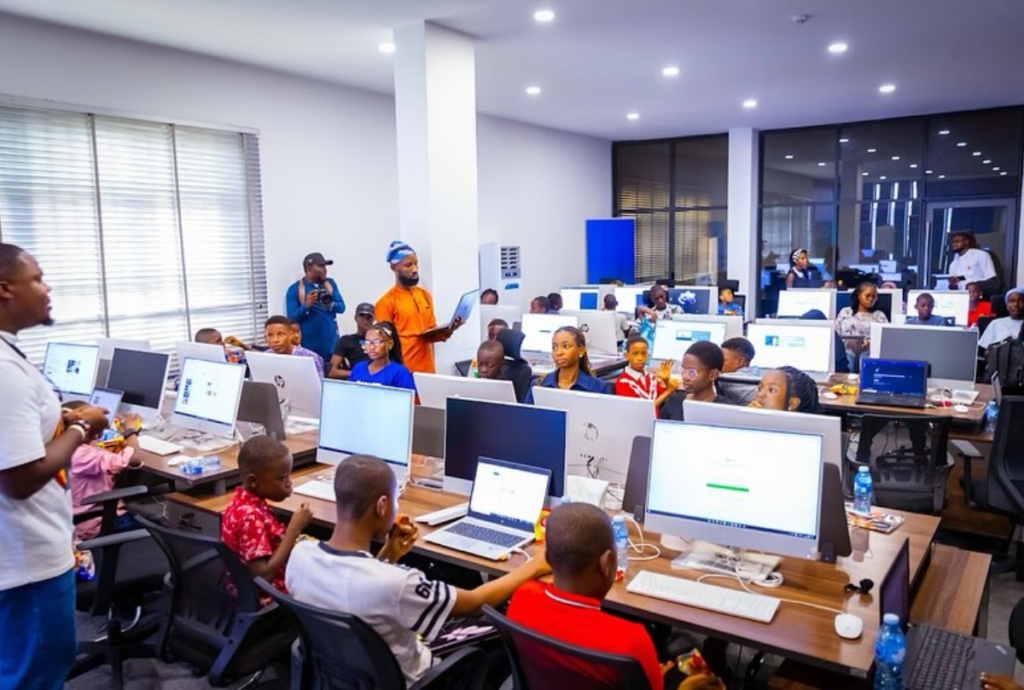
Despite these widespread concerns, the picture is not entirely bleak. Many young workers also adopt AI tools in their daily routines to upskill and improve productivity. In Nigeria’s growing tech ecosystem, for instance, digital natives are already using AI for creative work, coding, and entrepreneurial ventures, and the challenge for educators and policymakers is to help this talent translate digital fluency into stable, future-proof employment.

Employers See Growth, but Workers Fear Unequal Benefits
While employees express unease about their futures, most employers remain optimistic about the economic benefits of AI and automation. The survey reports that a majority of companies surveyed expect business growth this year, with many believing AI will play a major role in improving performance and efficiency. This optimism is sharply contrasted with worker sentiment, where only about half share the same confidence in near-term growth prospects.
Another important aspect of the survey is how workers perceive the primary beneficiaries of AI adoption. Nearly half of the respondents believe that advances in AI will primarily enrich corporations rather than support the workforce. This sentiment reflects a concern that automation may be used to reduce labour costs rather than create better jobs or enhance working conditions. Many workers feel that while companies chase efficiency gains, the benefits of AI may not be fairly distributed among employees.
This shared unease among workers resonates in many parts of Africa and other emerging markets where labour markets are structurally different from more developed economies. With large informal sectors and limited social safety nets, the risk of job displacement carries high stakes for young job seekers and their families. It places added pressure on governments, businesses, and educational institutions to invest in training that prepares the next generation for the shifting demands of AI-driven industries.
Adapting Skills and Securing Future Jobs
In response to these concerns, many young workers are taking initiative. There is a growing trend of upskilling, where young professionals learn AI tools, data analysis, coding languages, and digital communication skills to stay competitive. In Nigeria’s tech startups and innovation hubs in cities like Yaba and Kano, young innovators are developing AI-augmented solutions for local problems, from agriculture to finance, demonstrating that AI can also be a catalyst for new opportunities rather than only a threat.
Industry experts argue that the future of AI in the workplace will favour those who blend technical fluency with human skills such as creativity, critical thinking, leadership, and emotional intelligence. These are skills that machines find difficult to replicate. Schools and training centres in Nigeria are increasingly offering courses in these areas to prepare students for hybrid roles that require collaboration with AI tools.
At the policy level, governments around the world are considering reforms to education and employment programmes to make workforces more resilient. Encouraging entrepreneurship, fostering innovation ecosystems, and providing incentives for companies to invest in human capital are among the strategies being discussed. For many young Nigerians, this moment represents both an urgent challenge and a potential turning point where the next wave of technology could be harnessed for inclusive growth.

Lessons for the Nigerian Labour Market
As Nigeria looks to strengthen its labour market, the Randstad findings offer valuable lessons. First, the rapid rise in AI-related job requirements underscores the importance of digital skills in the modern economy. Nigeria’s policymakers and educators need to ensure young workers are not left behind by equipping them with competencies in emerging technologies.
Second, the widespread concern among young workers highlights the need for robust career guidance systems and support networks. Mentoring programmes, internship opportunities, and collaborative platforms between universities and industries can help bridge the gap between academic learning and real-world expectations.
Lastly, the divergent outlook between employers and workers shows that communication and collaboration between business leaders and the workforce are essential. Workers need assurances that investments in AI will also benefit them, not just corporate profit margins. Dialogues about ethical AI use, fair labour practices, and shared prosperity could help rebuild confidence among young professionals who are navigating these uncertain times.
In summary, while the spread of artificial intelligence is reshaping jobs across the globe, it also offers Nigeria a chance to leap forward if it invests in people as much as technology. The anxiety that young workers feel today can become the driving force for new skill development, innovation, and a more inclusive future of work that benefits all generations.
Join Our Social Media Channels:
WhatsApp: NaijaEyes
Facebook: NaijaEyes
Twitter: NaijaEyes
Instagram: NaijaEyes
TikTok: NaijaEyes