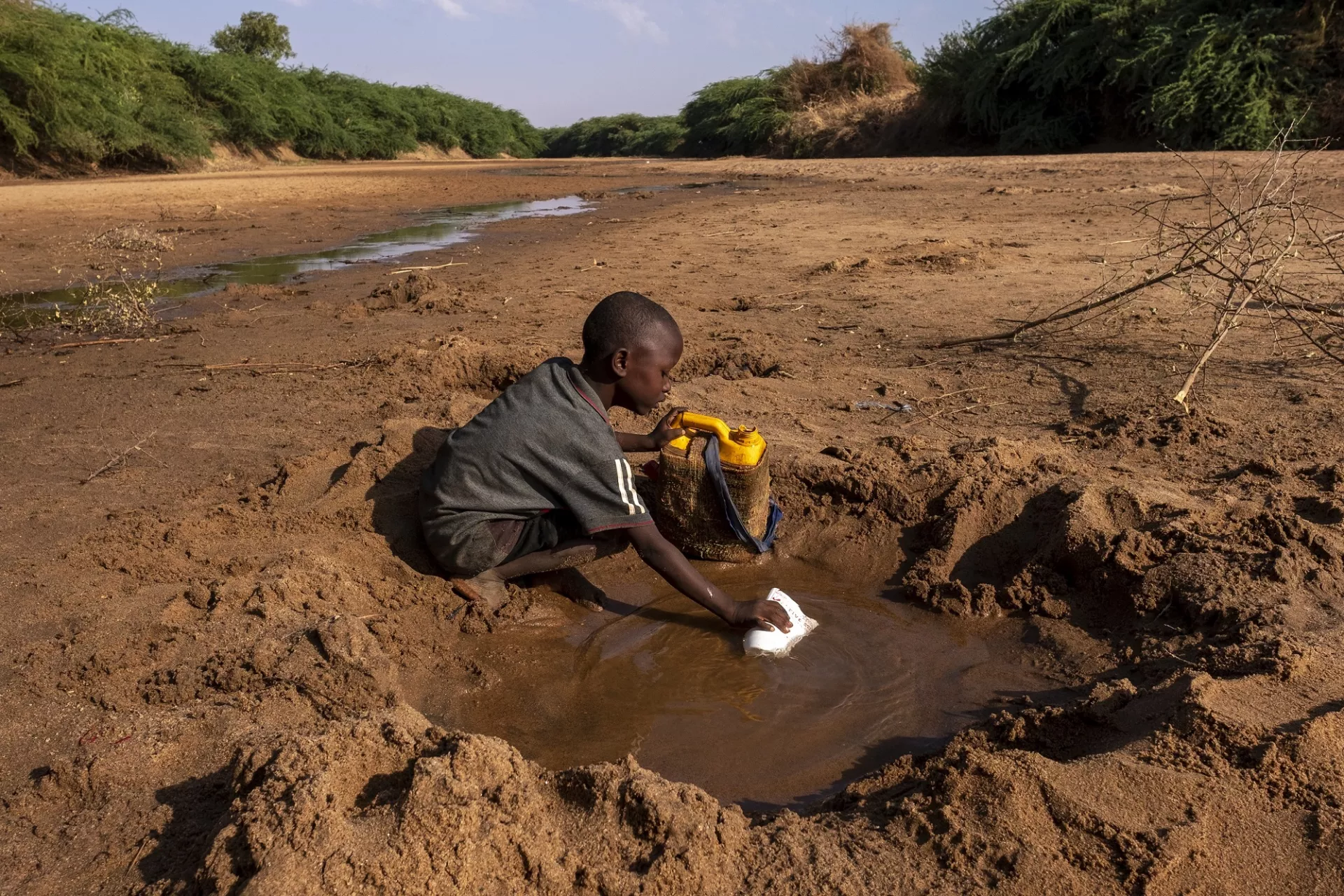

The United Nations research institute on Tuesday stated that the world is entering an era of “global water bankruptcy” with rivers, lakes, and aquifers depleting faster than nature can replenish them.
It contends that many water systems have been driven so far beyond the point of recovery by decades of pollution, misuse, environmental degradation, and climate pressure that a new classification is necessary.
“Water stress and water crisis are no longer sufficient descriptions of the world’s new water realities,” read a new report by the UN University Institute for Water, Environment, and Health (UNU-INWEH).
These terms were “framed as alerts about a future that could still be avoided” when the world had already moved into a “new phase,” it said.
The alternative term “water bankruptcy” is suggested by the report to describe a situation in which long-term water demand surpasses replenishment and harms the environment to such an extent that it is impractical to return to prior levels.
According to the research, this was evident in the declining size of the world’s large lakes and the increasing number of significant rivers that fail to reach the sea for portions of the year.
Over the past 50 years, some 410 million hectares of wetlands—nearly the size of the European Union—have vanished from the planet.
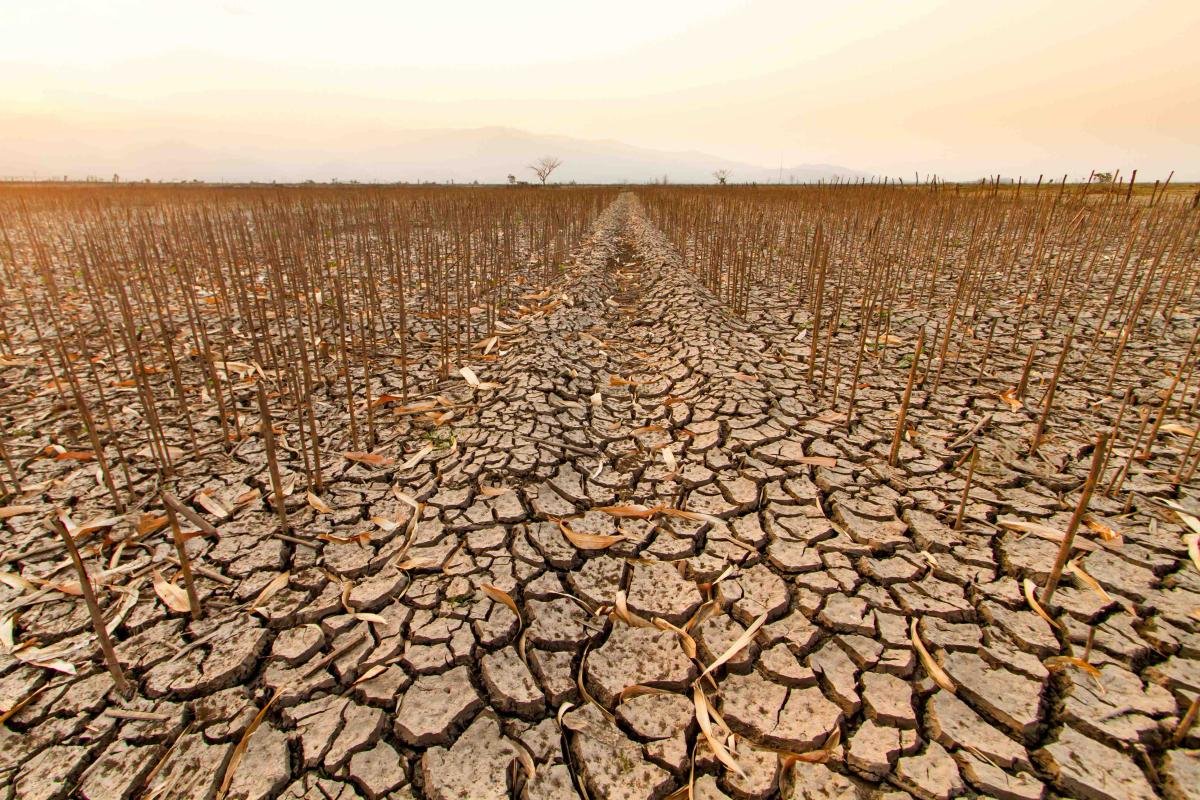
Another indication of this bankruptcy is the depletion of groundwater.
Approximately 70% of significant aquifers used for irrigation and drinking water exhibit long-term decreases, with increasing “day zero” crises—the “urban face” of this new reality—occurring when demand surpasses supply.
Since 1970, more than 30% of the world’s glacier mass and the seasonal meltwater that hundreds of millions of people depend on have disappeared due to climate change.
‘Be honest’
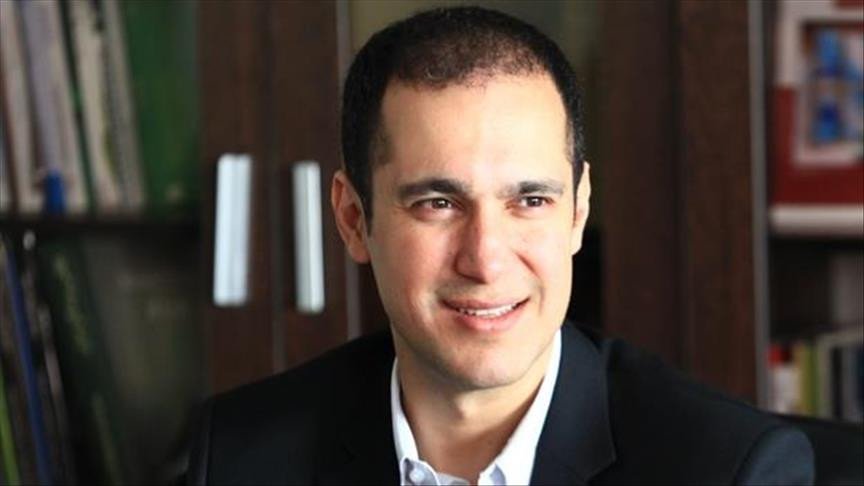
Kaveh Madani, director of UNU-INWEH and author of the research, told AFP that while the effects were evident on every inhabited continent, not every nation was experiencing water bankruptcy.
According to Madani, the phenomena served as a “warning” that a reevaluation of policy was necessary.
He stated that governments should “be honest” and “file for bankruptcy today rather than delaying this decision” rather than treating water scarcity as a transient issue.
“Let’s adopt this framework. Let’s understand this. Let us recognise this bitter reality today before we cause more irreversible damage,” Madani added.
Join Our Social Media Channels: