In a major step that could shape the future of teacher education across Nigeria, the National Commission for Colleges of Education (NCCE) has officially started a wide-ranging review of the Nigeria Certificate in Education (NCE) Minimum Standards and accompanying curriculum. This development aims to strengthen teacher preparation, readying educators for the demands of modern classrooms and ensuring that they can provide quality foundational education across the federation.
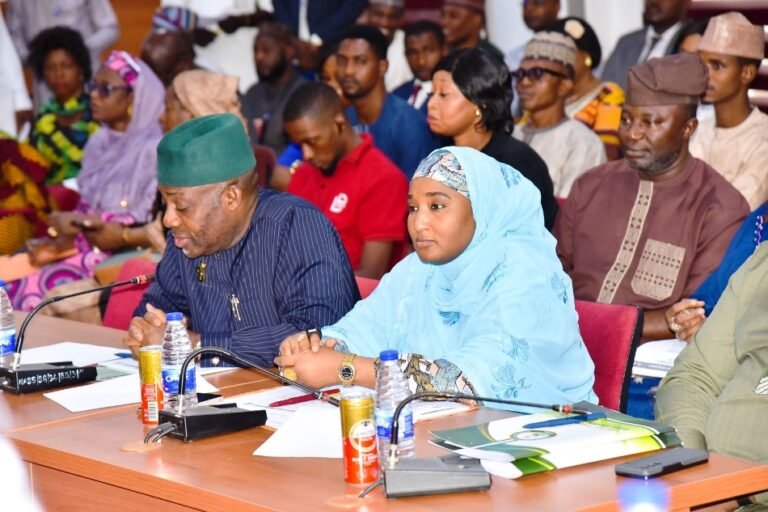
Education stakeholders gathered at the Nasarawa State College of Education in Akwanga to mark the beginning of this important exercise. The focus is on updating what has been in place since the 2020 edition of the standards, making sure that teacher training programmes are responsive to national needs, global trends, and technological advances.

NCCE Fresh Curriculum is Rewriting Teacher Preparation For Today’s Classroom
Professor Paulinus Chijioke Okwelle, the Executive Secretary of the NCCE, inaugurated the review exercise with a clear message that the nation’s teacher education framework must evolve. According to him, the existing curriculum shows gaps when measured against the realities of 21st century classrooms. He explained that the process would bring together teacher educators, policymakers, practitioners and international development partners to make sure the final outcome reflects a broad spectrum of expert input.
One of the most significant changes being discussed is the planned integration of Artificial Intelligence and digital skills into teacher preparation. The aim is to equip future teachers with the competencies they need to function confidently in technology-rich learning environments and to support students who are themselves growing up in a digital society. Professor Okwelle emphasised that Nigerian teachers must not only understand technology but also lead its ethical use in classrooms.
Beyond digital literacy, the review also seeks to address core teaching competencies, bridging the divide between theory and practice. The curriculum is being redesigned to strengthen practical teaching skills so that graduates from colleges of education can step directly into classrooms with confidence, relevance and effectiveness.
Aligning With National and Global Standards
In his address, Professor Okwelle highlighted how the NCE stands as the minimum qualification for teachers in Nigeria’s basic education system, as affirmed by the National Policy on Education. He noted that ensuring this qualification remains relevant and robust is essential not only for the profession but for national development as a whole.
Officials emphasised that the review will align the revised standards with international best practices. The goal is to make Nigerian teacher education globally competitive while still rooted in local realities. Quality, relevance and practicality are key threads running through the new framework under development.
One immediate benefit expected from the review is the incorporation of adaptive teaching methods that reflect modern educational research and global trends. This includes a stronger foundation in data literacy and pedagogical approaches that accommodate diverse learning needs in today’s classrooms.
The Dual-Mode Mandate And Renewed Confidence
Part of the broader reform narrative led by the NCCE involves the implementation of the Dual-Mode mandate, a policy that broadens the scope of what colleges of education can offer. Under this framework, eligible institutions can award Bachelor’s degrees in Education independently, without affiliations to universities. This is seen as key to expanding access, enhancing autonomy, improving admissions, and most importantly, restoring the public’s confidence in teacher training institutions.
Professor Okwelle reiterated that the ongoing curriculum review is not happening in isolation. It forms part of a deliberate strategy to reposition colleges of education as centres of excellence for professional teacher training, driven by relevance, sustainability and quality.
The review also recognises the evolving nature of work and the fact that teachers play a pivotal role in preparing young Nigerians to navigate a changing economy. By embedding digital competencies and future-ready teaching skills in the curriculum, policymakers hope to create teachers who can lead in the classroom and inspire learners to meet national aspirations.
Stakeholder Engagement And The Road Ahead
Governor Abdullahi Sule of Nasarawa State was present at the launch of the review exercise, signalling state support for improved teacher education. His attendance underscores the shared expectation among government leaders that quality teaching must be prioritised to improve educational outcomes across the country.
Professor Okwelle urged all stakeholders involved to engage constructively throughout the review process. He stressed that producing competent teachers is vital to improving Nigeria’s foundational education and that this effort requires collaboration across sectors, including educators, government agencies, civil society and development partners.
Stakeholders recognise that this curriculum review represents an opportunity to correct long-standing challenges in teacher education in Nigeria. Research and accreditation exercises in recent years have pointed to gaps between what teacher trainees learn and the skills demanded in schools. A thorough review now holds promise for bridging these gaps and raising the quality of teaching across primary and junior secondary schools.
As the exercise unfolds, many in the education sector are watching closely. There is hope that the outcome will not only equip future teachers with essential knowledge and skills but will also contribute to raising respect for the teaching profession and improving the status of teacher education in the country.
In conclusion, the NCCE’s initiative to revise the NCE Minimum Standards and curriculum is being welcomed as a timely and critical effort to adapt teacher training to modern realities. With input from a wide range of stakeholders and a commitment to quality, this reform could mark a turning point for how teachers are prepared in Nigeria and how education systems respond to future demands.
Join Our Social Media Channels:
WhatsApp: NaijaEyes
Facebook: NaijaEyes
Twitter: NaijaEyes
Instagram: NaijaEyes
TikTok: NaijaEyes