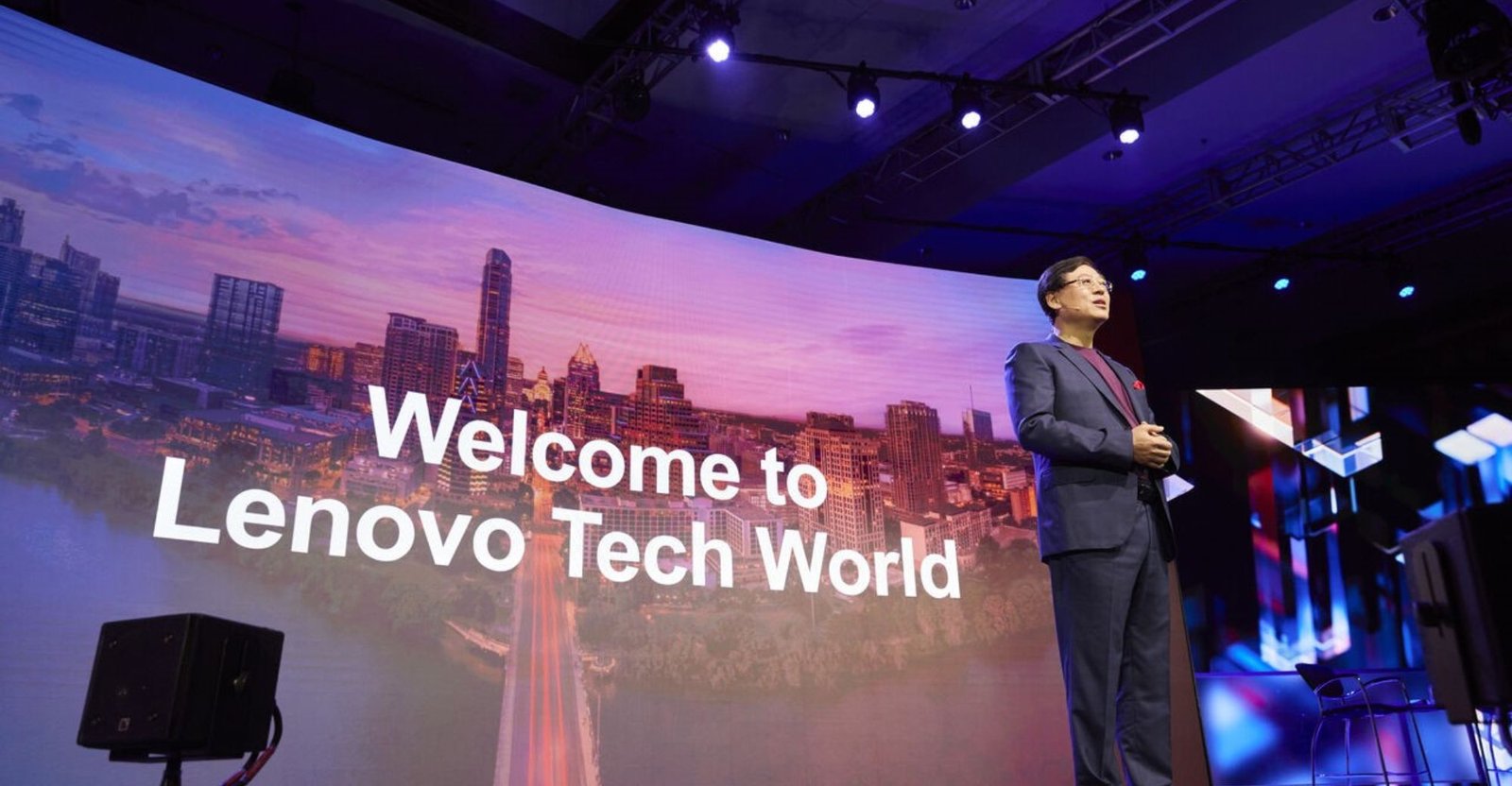

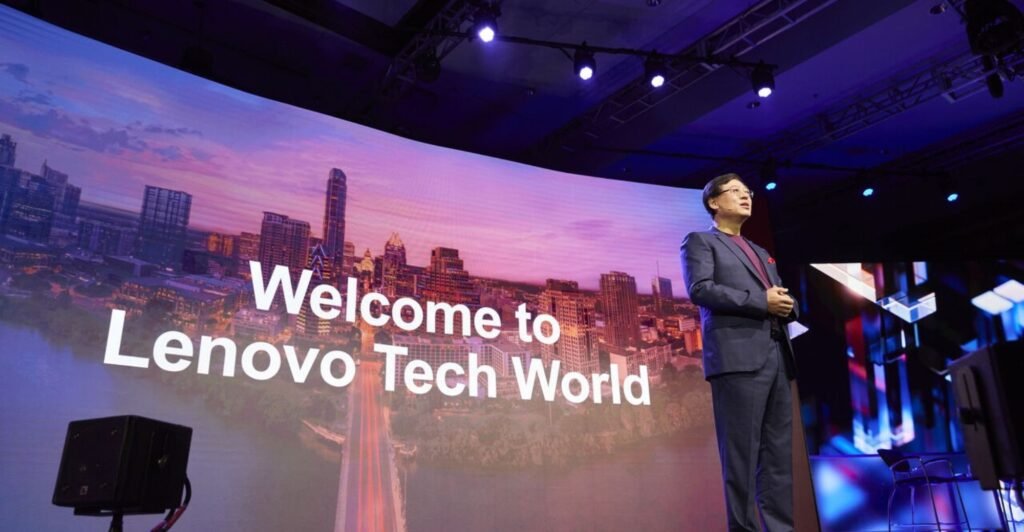
At the World Economic Forum in Davos, top executives from Lenovo shared how the Chinese tech giant is carving out a strong position in the artificial intelligence landscape. The company known around the world for its computers and mobile devices is now actively expanding its role in AI by building partnerships with leading AI developers across the globe. While many technology firms chase the promise of AI, Lenovo’s approach is distinct and rooted in openness and collaboration.
This strategic shift reflects how competition and cooperation are both shaping the future of AI, especially as devices and infrastructure increasingly rely on smart software and machine learning. According to Investing.com, Lenovo’s Chief Financial Officer, Winston Cheng, spoke about these plans and the company’s evolving role in the global tech ecosystem.

A Global AI Vision Beyond Proprietary Limits
Lenovo is positioning itself not just as a hardware supplier but as a platform that connects its wide range of devices to the best generative AI models available from partners around the world. The plan is to integrate large language models into everything it makes, including personal computers, smartphones, and wearable technology. These models are the engines behind intelligent assistants and features that understand and respond to human language.
At Davos, Cheng highlighted that Lenovo stands out because, unlike some of its competitors, it operates widely across personal computers and mobile devices while maintaining an open ecosystem that supports Android and Windows. That gives the company a rare position to bring powerful AI experiences to people wherever they work and interact with technology.
Instead of building its own proprietary AI model, Lenovo intends to partner with a variety of model developers. This means creating connections with companies that are developing advanced AI engines so that each device can tap into the best tools available for specific tasks and regions. The focus is on collaboration, flexibility, and serving different markets while meeting local regulatory requirements.
Choosing Partners That Reflect Worldwide Opportunities
Lenovo’s plans include exploring partnerships with AI developers from many regions. Some of the names mentioned by Cheng include Humain from Saudi Arabia, Mistral AI in Europe, and tech companies such as Alibaba and DeepSeek in China. These collaborations aim to reflect the global nature of AI innovation and ensure Lenovo devices are powered by diverse technologies that serve users around the world.
This “orchestrator” approach is different from the strategy of Apple and some other companies that currently limit themselves to a small set of AI partners. By contrast, Lenovo’s strategy is to weave together multiple models from different parts of the world, giving users a broader array of intelligent capabilities and potentially more regional relevance in how the technology works.
Cheng explained that this approach also helps Lenovo navigate the complicated landscape of global AI regulations. Different countries and regions have varied rules for how AI can be used and who controls the technology. By working with many partners, Lenovo can adapt its offerings to meet local legal and ethical standards while still delivering cutting-edge experiences for customers.
Balancing Innovation with Rising Costs
While Lenovo is pushing forward in AI, it is also confronting challenges that are affecting the broader technology industry. One of the key issues noted by Cheng is the rising cost of memory chips. Memory is a core component in computers and devices, especially those that run advanced AI applications, and price increases have had a widespread impact on manufacturers.
Cheng said the company has been responding to these pressures by adjusting the prices of some products, passing some of the increased costs on to consumers. Price changes in the supply chain can influence everything from how manufacturers design their devices to how consumers decide what to buy. This dynamic illustrates the real-world challenges tech companies face when trying to innovate while managing production costs.
In addition to device AI, Lenovo is also strengthening its presence in data centre technology, an area critical to running large-scale AI applications. Earlier this month, it announced a partnership with Nvidia to accelerate deployments of advanced AI infrastructure. This collaboration focuses on liquid-cooled hybrid systems that help cloud providers bring powerful computing resources online faster, with an eye toward customer needs in markets around the world.
What This Means for Consumers and the Tech Industry
Lenovo’s announcements at Davos signal a broader shift in how major technology companies are thinking about AI. Instead of relying solely on in-house development or a narrow set of partners, Lenovo is pursuing an open and global ecosystem approach. This could make the intelligent features on devices more adaptable and better tuned to the needs of users in different regions.
For consumers, this may translate into devices that understand local languages and contexts more naturally, offer smarter services, and provide AI-powered functions that are more responsive and useful. It also means that Lenovo products could lead in offering innovative AI experiences without locking users into a specific proprietary system.
Industry analysts see this move as part of a larger trend where collaboration and interoperability are becoming more valuable than exclusivity. Companies that build bridges between technologies often find themselves better positioned to serve diverse markets and respond to regulatory changes. Lenovo’s strategy seems designed to capture those advantages while keeping pace with rapid developments in AI research and deployment.
In the broader picture, the company’s efforts reflect how artificial intelligence is becoming central to nearly every aspect of technology. Devices that were once judged mainly on hardware performance now compete on their ability to offer intelligent features that make life easier, more efficient, or more entertaining. Lenovo’s focus on expanding its AI capabilities shows an understanding that the future of computing depends on both hardware excellence and smart software integration.
As these partnerships take shape and AI continues to evolve, industry watchers will be paying close attention to how Lenovo’s strategy plays out globally. For consumers in Nigeria and across Africa, this could mean new opportunities to access devices and services that feel more personalised and capable than ever before.
Lenovo’s broad engagement with global AI partners also highlights the importance of responsible development and ethical use. By working with many stakeholders, the company has the chance to shape how AI is applied in real-world settings and ensure that its offerings reflect the needs and values of users everywhere.
Lenovo’s bold strategy to embrace a wide network of AI model partnerships puts it at the forefront of a rapidly changing technology landscape and promises to bring smarter, more adaptable computing experiences to users across the world.
Join Our Social Media Channels:
WhatsApp: NaijaEyes
Facebook: NaijaEyes
Twitter: NaijaEyes
Instagram: NaijaEyes
TikTok: NaijaEyes