On Saturday, 7 February 2026, Yola, the capital of Adamawa State, played host to a landmark moment in Nigeria’s technology history when innovators, young tech talents, and industry leaders converged for an event that many are already calling a turning point for Artificial Intelligence development in the North. The Igniting the AI Economy in Northern Nigeria gathering was more than a meeting of minds it was a bold launch of a vision to shift the region from technology consumers to creators of innovation.
Held at the auditorium of the American University of Nigeria (AUN) and streamed to participants online, this initiative was led by the Yola chapter of the Global AI Community, a grassroots network that nurtures AI enthusiasts and professionals in the region. The event had a packed programme running from 9:00 am to 1:00 pm and was designed to mobilise, educate and inspire youths from across the North-East, with a clear and measurable mission.
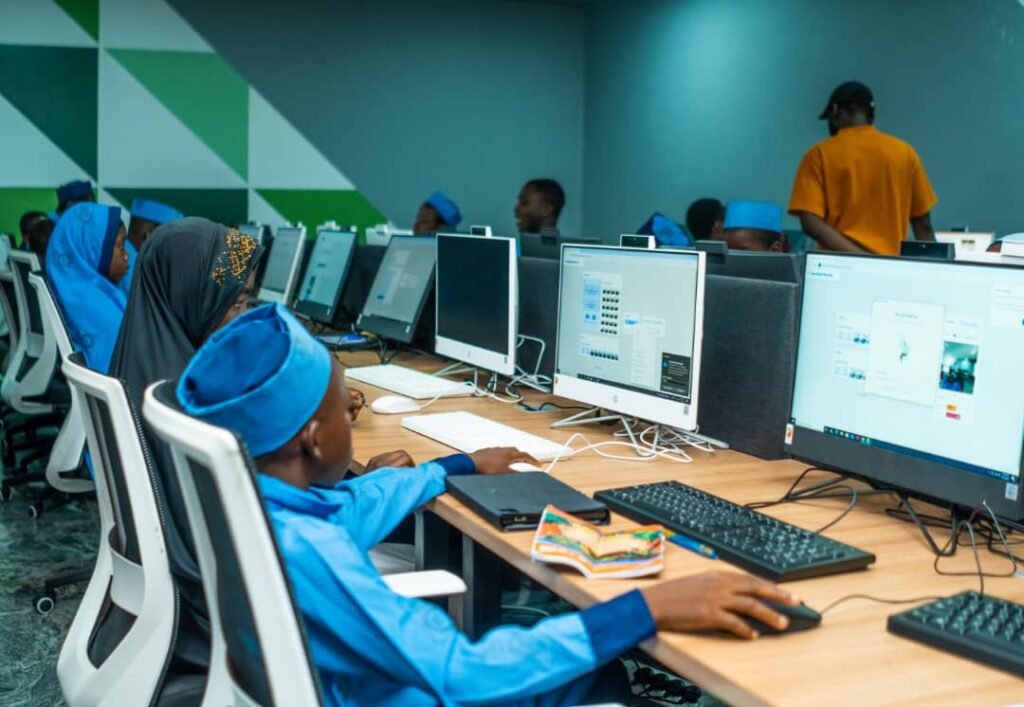
What made this session historic was the official unveiling of the Northern Intelligence Hub, a flagship project that has already set its sights on training and mentoring 19,000 young Nigerians from Adamawa State in the fields of Artificial Intelligence and Software Engineering. For many attendees, it was a rare opportunity to be part of something that seeks to create jobs, encourage digital entrepreneurship and support local problem-solving using cutting-edge technologies.

A New Roadmap for Digital Transformation in the North
The theme of the event was “From Consumption to Creation,” and this message was woven through every segment of the programme. Organisers described the launch as the activation of a new digital economy in Northern Nigeria and positioned it as an essential shift from passive technology adoption to active innovation.
The centrepiece of the day was the introduction of the 2026 Roadmap and the Northern Intelligence Blueprint, strategic frameworks that outline how youths can build careers, start digital enterprises and contribute solutions to real-world challenges using AI. Across several addresses and briefings, speakers mapped out plans to engage participants through long-term educational programmes, mentorship circuits and practical learning experiences.
Experts and local technocrats provided keynote presentations that examined the massive potential of AI to change lives and economies. These sessions helped situate the developments in Yola within the broader context of Nigeria’s emerging digital economy, where artificial intelligence is no longer confined to niche applications in tech hubs like Lagos or Abuja but is becoming a unifying force across diverse regions.

Engaging the Next Generation of Tech Leaders
One of the most energising parts of the event was the networking segments, which drew together about 500 of the brightest tech minds from the state, including developers, designers and startup founders. These sessions gave aspiring tech professionals a chance to meet and interact with peers, mentors and potential collaborators. For many students and young innovators, this was the first time they had access to such a rich pool of expertise and opportunity in their home region.
Organisers also used the occasion to offer priority access registrations for the upcoming AgentCamp, a 12-week AI bootcamp scheduled for March 2026 that will provide intensive training in AI tools, software development, and practical technology skills. This programme is expected to further position Northern Nigeria as a site where competitive tech talent is both nurtured and mobilised.
For many participants, the chance to connect with local and regional tech entrepreneurs was a highlight. Young people shared their excitement about having access to mentorship and potential career pathways that were previously rare in the North-East. Many expressed hope that initiatives like this could slow the migration of tech talent to more traditional hubs in the South of Nigeria and instead build strong foundations at home.
Why It Matters for Northern Nigeria
Northern Nigeria is a region with complex social and economic challenges that have often limited opportunities for youth employment. Bridging the gap with technology training is one of the most promising ways to unlock economic growth, diversify income streams, and reduce regional inequality. By focusing on AI and software engineering, the Global AI Community Yola chapter is tying local aspirations to global technological trends at a moment when countries and economies around the world are competing for innovation leadership.
Across Africa, artificial intelligence is being recognised as a strategic driver of future economic value. Governments, private sector groups and tech communities are increasingly collaborating to ensure the workforce is prepared for jobs that did not exist a decade ago. Nigeria itself has been hosting a number of AI-related initiatives, including national conferences, workshops and strategies aimed at widening access to this technology and its benefits. These efforts reflect a broad understanding that AI can impact industries ranging from agriculture and healthcare to finance and education.
In this context, the Yola event stands out because it brings the spotlight to the North-East, a part of the country often underrepresented in technology dialogues. What was once a peripheral conversation about inclusion in the digital age has now become a tangible, community-led action with clear targets, measurable outputs, and a commitment to sustained engagement.
The launch was also a reminder that communities, when mobilised around shared goals, can help address structural barriers to economic participation. By drawing in educators, students, business leaders, and technologists, the organisers created an environment where learning and opportunity are accessible and local talent can be celebrated rather than overlooked.
From Vision to Impact: What Comes Next
Looking ahead, the success of this launch will be judged by the outcomes it produces over the coming months. Stakeholders are already talking about how to support graduates from the Northern Intelligence Hub with internships, job placements, funding opportunities and platforms for launching viable tech products. If progress matches the ambition of organisers, Northern Nigeria could soon produce software engineers, data scientists and AI innovators whose work will shape local industries and contribute to national growth.
Equally important is how this work enhances collaboration across regions. With similar AI communities active in other Nigerian cities and states, there is potential for a nationwide network of tech hubs that share knowledge, resources and pathways for young people interested in building futures in AI.
On the day of the event, many attendees shared their optimism about being part of a movement with long-term impact. For some, it was a personal milestone; for others, it was a moment of realisation that the futures they had once dreamed of might now be within reach. What was clear as the auditorium emptied and conversations continued long after the official programme ended was that this event was more than a one-off gathering, it was the kindling of an ongoing journey towards economic transformation powered by local talent and global technology.
The Igniting the AI Economy in Northern Nigeria event was a deeply significant gathering that showcased how community leadership, strategic vision and inclusive opportunity can come together to rewrite narratives about technology development in less recognised regions. It signals that Nigeria’s digital future is not just being shaped in major urban centres but is expanding into new frontiers where determination, creativity and ambition are driving a new generation of digital innovators.
Join Our Social Media Channels:
WhatsApp: NaijaEyes
Facebook: NaijaEyes
Twitter: NaijaEyes
Instagram: NaijaEyes
TikTok: NaijaEyes