The European Union’s ambitious digital inclusion programme in North‑East Nigeria has officially come to a close after three years of training, investment and community building. Designed to bridge deep‑rooted digital divides in communities still recovering from conflict and displacement, the initiative empowered more than 18,000 individuals with essential digital skills and opened up new pathways to economic participation and resilience.
The programme, which ran from 2023 to early 2026, focused on 30 communities across Borno and Yobe states in Nigeria’s North‑East. Supported with €750,000 from the EU and implemented by humanitarian partner ZOA International, the effort aimed to expand digital access for women, youth living in hard‑to‑reach areas and persons with disabilities.
At a closing event in Maiduguri on February 4, 2026, EU representatives, government officials, civil society actors and representatives from development organisations gathered to reflect on achievements and plan how to sustain gains.
Training, Technology Hubs and Lasting Community Tools
Over the course of the programme, more than 18,000 people received training in digital skills. Participants learned how to use technology in ways that can support livelihoods, from basic computer literacy to more advanced digital tools that are relevant in today’s labour markets.
To expand access beyond individuals, the programme established 32 community Information Technology hubs. These hubs serve as local centres where people can use computers, connect to the internet and access digital resources long after the initiative has closed.
In addition, six schools in targeted communities were equipped with IT infrastructure. This means students in those schools now have greater access to digital learning, an important building block for future opportunities.
Partners also created a Digital Literacy Working Group that brings together local stakeholders and organisations. The group’s role is to help coordinate ongoing efforts in digital inclusion and ensure the programme’s impact continues beyond its formal ending.
Leadership Speaks on Impact and Future Goals
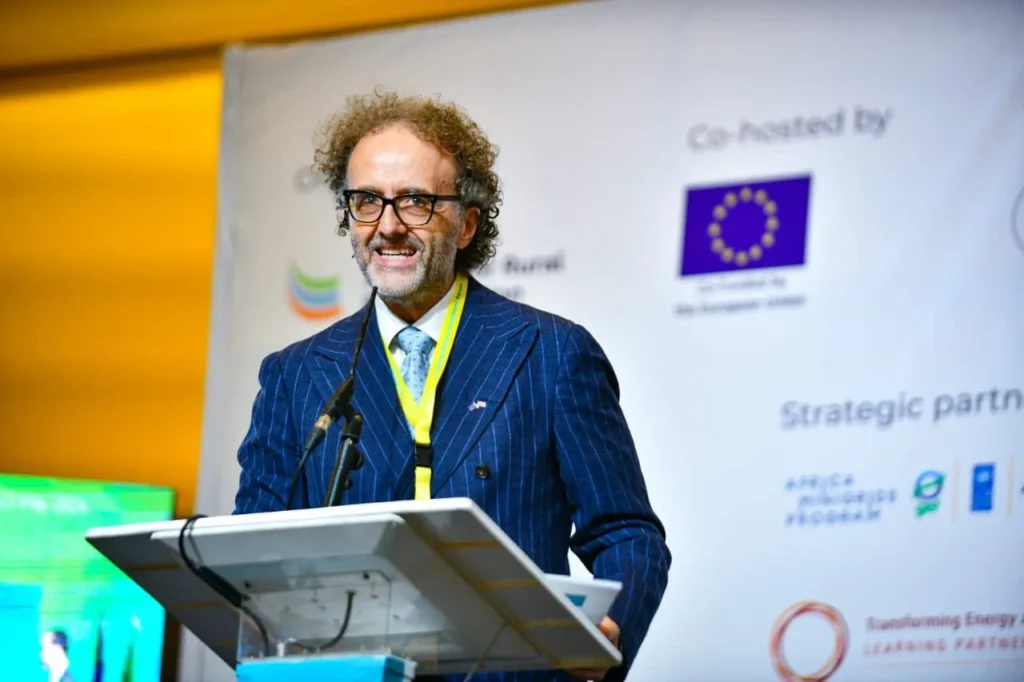
At the ceremony, Massimo De Luca, Head of Cooperation at the EU Delegation to Nigeria and ECOWAS, emphasised that the project shows what targeted investment in digital skills and infrastructure can achieve when it aligns with the needs of communities. He highlighted that the work was not about abstract policies but about real change for people whose lives have been shaped by conflict and limited access to technology.
De Luca pointed out that digital inclusion is essential for resilience, innovation and meaningful participation in the modern economy, especially in fragile regions. He also noted that this initiative fits within the wider EU Global Gateway strategy, a policy framework aimed at promoting sustainable economic cooperation and infrastructure development.
Godwin Dominic, the ZOA Programme Manager, described how the intervention extended beyond training numbers to building systems that could last. According to Dominic, the community hubs, school IT facilities and the Digital Literacy Working Group were intentionally designed to keep digital learning and support alive for years to come.
Officials from the Borno State Government also praised the programme, saying it reinforced opportunities for women and youth and complemented broader ICT policy goals. Engr. Mohammed Kabir Wanori, Executive Secretary of the Borno Information and Communication Technology Development Agency, highlighted how the programme supported local development priorities.
Digital Skills as a Step Towards Economic Participation
As the formal phase of the programme concludes, stakeholders emphasised the importance of translating newly acquired skills into economic opportunities. The EU and partners reiterated commitments to maintaining the infrastructure and networks developed over three years, while encouraging entrepreneurs, young people and community members to use their skills in ways that generate income.
This initiative is one among several efforts to expand digital skills and inclusion across Nigeria. For example, wider collaborations involving government and private sector partners are underway to train youth and build digital capacity nationwide. These initiatives aim to equip Nigerians with skills for the modern economy and support broader goals of job creation and innovation.
In North‑East Nigeria, where many communities are still rebuilding after years of violence and displacement, increased access to digital tools and training offers more than technical know‑how. It represents a chance to participate in a rapidly changing economic landscape, break down barriers to opportunity and strengthen resilience.
As the world increasingly relies on digital technology, programmes like this one show how inclusive training and targeted investments can help bring more people into the digital fold, creating pathways for economic growth, empowerment and community stability.
Join Our Social Media Channels:
WhatsApp: NaijaEyes
Facebook: NaijaEyes
Twitter: NaijaEyes
Instagram: NaijaEyes
TikTok: NaijaEyes