Artificial intelligence is no longer a concept of tomorrow. For children growing up today, AI is already part of how they discover information, play games, communicate and eventually work. Because of this, educators and policymakers around the world are pushing hard for AI literacy to become an essential part of schooling from the earliest years. According to The 74 Million, experts suggest that teaching children to understand, evaluate, and use AI responsibly should begin now, not later, as preparation for the rapidly evolving future.

Why AI Literacy Matters Now
Children today live in a digital world where AI systems influence almost every aspect of daily life. From content recommendations on video apps to chatbots that answer questions instantly, AI shapes how young minds interact with information. This influence brings a double-edged reality. On one hand, AI can unlock powerful learning opportunities; on the other, it can mislead or overwhelm without proper guidance. Educators now argue that children need more than basic computer skills — they require a clear understanding of what AI is, its possibilities, and its limitations.
A growing number of studies and educational experts agree that waiting until middle school or high school to introduce AI concepts may be too late. Early exposure allows children to develop foundational digital reasoning alongside literacy and numeracy, helping them question and evaluate digital content rather than accept it at face value. Some research even shows that concepts as simple as pattern recognition or sorting can build early understanding of how AI systems work, long before students interact with complex tools.
Preparing children with AI literacy is about more than tool usage. It’s about promoting critical thinking, ethical awareness, and digital citizenship. Kids should learn to recognise when they’re interacting with AI, understand privacy implications, evaluate the trustworthiness of automated content, and reflect on the societal impact of technology. These skills help young learners make informed decisions, remain creative, and retain control over the technology that surrounds them.
Global Trends in AI Education
Around the world, several governments and educational organisations are moving quickly to establish AI literacy within school systems. In many cases, this means integrating AI education not as a separate subject, but woven into existing lessons like maths, science, language arts and technology.
In China’s capital city of Beijing, AI learning is becoming compulsory for students of all ages. Schools there must provide a minimum number of hours each year for students to engage with AI education, from elementary levels through to high school. This includes hands-on learning and discussions about innovation and ethical use of technology.
In India, national education authorities plan to teach AI and computational thinking starting as early as Class 3. This initiative treats AI skills similarly to core subjects and includes ethical guidelines to ensure responsible use.
Estonia, known for its strong digital infrastructure, has partnered with international tech groups to launch an AI education programme that will reach tens of thousands of high school students, with plans to expand further. The initiative emphasises critical thinking and combating misinformation as central goals of AI learning.
Beyond national policies, practical teaching tools are emerging. Some educational games, like a new Minecraft Education Edition programme, use storytelling and interactive play to teach children how to identify misinformation and critically assess AI-generated content in ways that feel like play, helping children learn without fear or overwhelm.
How Schools Should Approach AI Literacy
To make AI literacy effective and fair, educators point out that it must be age-appropriate and integrated across subjects instead of being isolated in a single course. Experts stress that AI education should help learners see algorithms and intelligent systems not as mysterious black boxes, but as tools with strengths and limitations. Understanding this distinction builds confidence and reduces the risk that children either fear technology or accept it uncritically.
For younger children, AI foundations can be laid through simple activities that don’t require technology at all. Teachers can use pattern games, logic exercises, and real-world discussions to highlight how machines make predictions from data — a concept at the heart of many AI systems. These activities help children recognise patterns, question outcomes, and think logically in a way that prepares them for more advanced lessons later.
Meanwhile, as students grow older, curricula can introduce more structured lessons on responsible AI use, data privacy, biases in technology, and the ethical implications of automated decisions. These elements encourage students to think deeply about how AI affects society and their own lives.
Equally important is teacher preparation. Many educators feel they lack the training needed to teach AI confidently. Professional development programmes focused on AI literacy equip teachers with the skills to guide discussions, evaluate tools, and address student questions effectively. Without this support, schools risk introducing AI concepts superficially without fostering meaningful understanding.
Challenges and Ethical Considerations
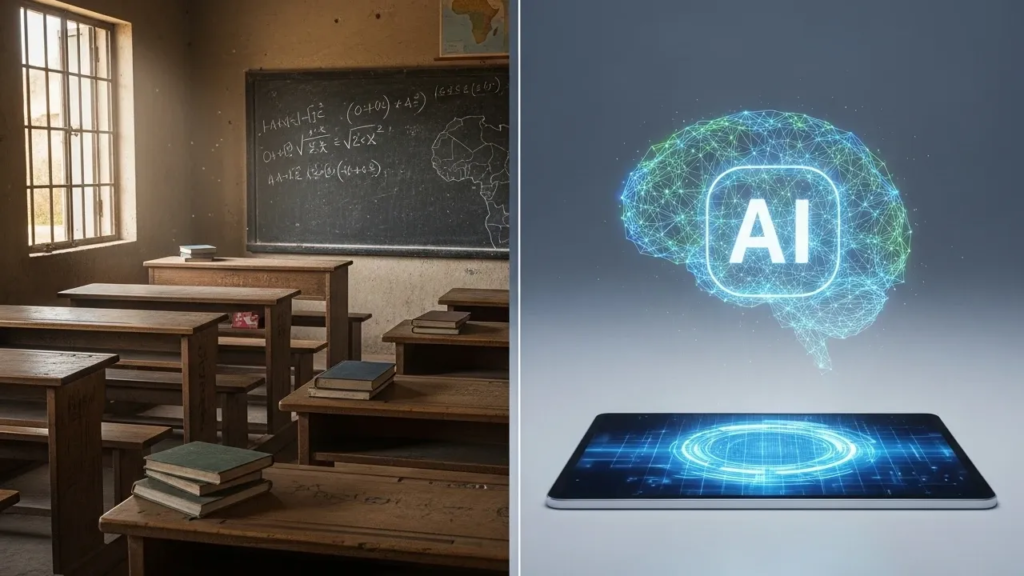
Integrating AI literacy into education is not without challenges. A major concern is equity: ensuring all children, regardless of background, have access to quality AI learning experiences. Schools in under-resourced communities may struggle with technology access or teacher training, widening existing gaps in digital education.
Privacy and data use in AI tools also raise difficult questions. Students must be taught about the limits of AI, how algorithms use data, and what responsible use looks like. Children should understand that not everything generated by an AI system is true or unbiased, and that human judgment remains essential.
Educators also caution against relying on AI at the expense of foundational thinking skills. Some technology critics warn that overdependence on AI tools can lead to “learned helplessness,” where students default to automated answers instead of developing problem-solving abilities. This highlights the need for AI literacy programmes to emphasise active reasoning, not passive consumption.
Balancing excitement about AI’s potential with a clear-eyed assessment of its risks is key. Teaching children to see AI as a tool — one designed and controlled by humans — helps them understand both its power and its limitations. It also fosters the kind of responsible citizenship needed in an increasingly digital world.
What Parents and Schools Can Do Today
Schools and parents have roles to play together. Parents can begin conversations about AI at home, helping children recognise where they interact with it and how it influences their experiences online. Simple discussions about why some online content might be misleading, or how a recommendation algorithm works, can nurture digital awareness long before formal lessons begin.
Teachers can start by weaving basic AI ideas into familiar subjects and lessons. Instead of creating a completely separate AI course, educators might introduce discussions about data patterns during maths lessons or ethical considerations during social studies. These touchpoints build a deeper, contextual understanding that evolves with students’ age and maturity.
Policymakers and curriculum designers must ensure that AI literacy is not an afterthought but a central component of modern education systems. This means setting clear standards, investing in teacher training, and making resources available for all schools. International organisations, educational researchers, and governments should work together to build frameworks that are culturally relevant, inclusive, and forward-looking.

AI literacy for schoolchildren is no longer optional. It is a foundational skill for the next generation, just like reading and mathematics. By starting early, integrating across subjects, and emphasising critical thinking and ethics, educators and parents can equip young learners not only to use AI but to understand it, question it, and shape a future where technology serves humanity responsibly.
Join Our Social Media Channels:
WhatsApp: NaijaEyes
Facebook: NaijaEyes
Twitter: NaijaEyes
Instagram: NaijaEyes
TikTok: NaijaEyes