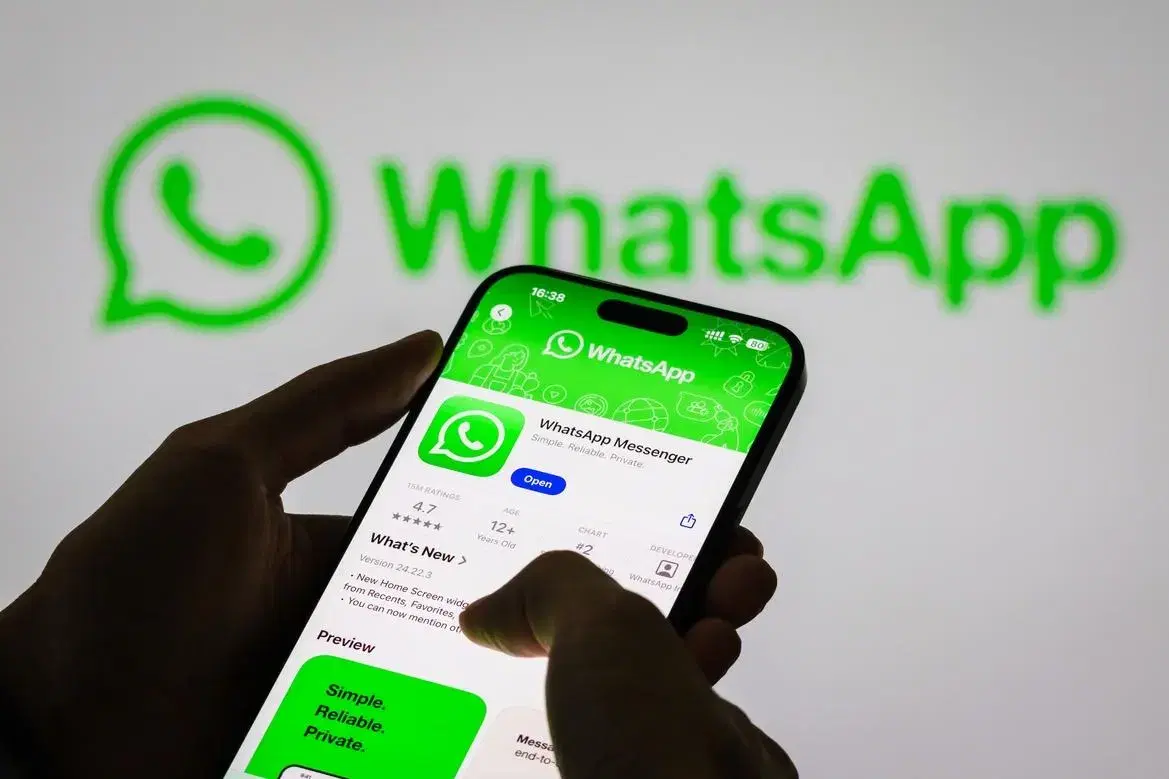

In a move that has reverberated across global technology and governance circles, Russia has taken decisive action to block access to Meta-owned WhatsApp, one of the world’s most widely used messaging platforms. The decision has triggered fresh debates in Nigeria about digital sovereignty, data governance, internet freedoms and the risks and responsibilities that come with reliance on foreign digital infrastructure. What started as a policy change in Moscow now carries powerful lessons for policymakers, businesses and everyday Nigerians who rely on digital communications to live, work and trade.
The development underlines how interconnected the world has become and how events in one part of the world can influence thinking about digital strategy in another.

A Turning Point in Russia’s Internet Policy
In the early weeks of February 2026, Russian regulators removed WhatsApp’s domain names from the country’s national internet directory, effectively cutting off direct access to the messaging service for users within Russia. Telecommunications regulators argued that WhatsApp repeatedly failed to comply with local laws, including requirements to store user data within the country’s borders and to remove content that Russian authorities deem illegal. As a result, internet operators in Russia can no longer resolve WhatsApp’s network addresses without workarounds such as virtual private networks.
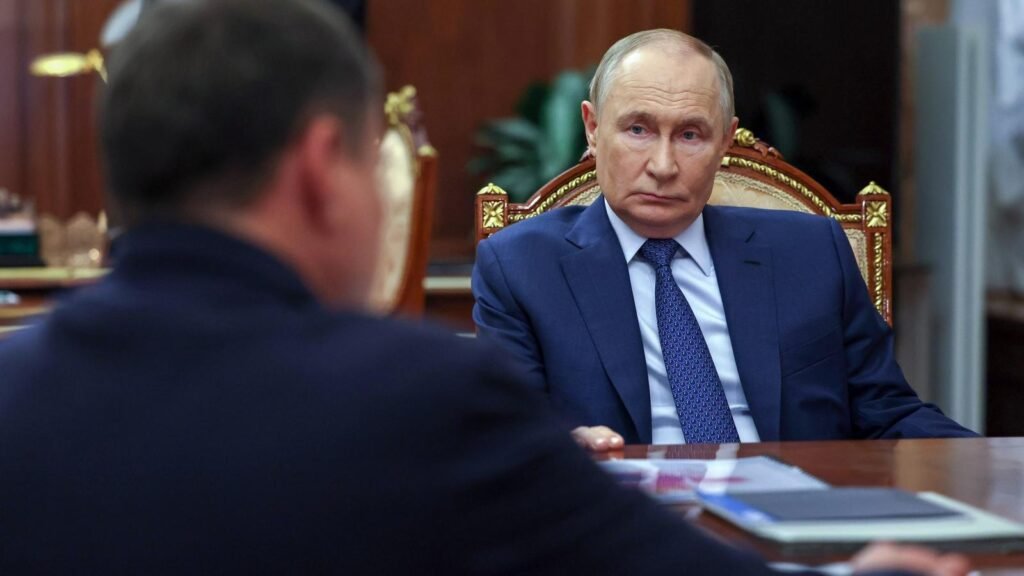
Officials in Moscow also pointed to other regulatory breaches and longstanding complaints about the platform’s moderation policies. The Kremlin has framed these actions as necessary for national security and for the protection of Russian citizens. Government spokespeople said the restrictions are intended to bring online platforms into alignment with domestic regulations that give states greater authority over digital spaces.
For many Russians, this move is already reshaping how they communicate. Some have resorted to using VPNs to access WhatsApp, while others have shifted to local messaging services or rivals that still operate within the country’s regulatory framework. The transition away from WhatsApp is not just a technological shift but a cultural one, affecting daily communication patterns, business operations and the social life of millions.
These developments mark one of the most significant confrontations between a sovereign state and a global technology company, and observers believe the implications go far beyond Russia’s borders.
What the Ban Means for Digital Sovereignty
Nigeria, like many other nations, is watching closely. The Russian action has reignited conversations in Abuja, Lagos and across Nigeria’s tech communities about how the country manages its own digital space. Digital sovereignty refers to a nation’s ability to assert control over data flows, digital infrastructure, user privacy, online content and how platforms operate within its borders.
In recent years, Nigeria has taken early steps down this path. Laws such as the Nigerian Data Protection Act have strengthened the legal framework for safeguarding citizens’ data. Government efforts, including cloud computing policies, data localisation debates, and discussions around social media regulation, demonstrate a desire to protect national interests while nurturing a competitive digital economy.
But these frameworks are still evolving, and the Russian example highlights what can happen when a state decides to exert absolute control over digital services. For Nigerian regulators, this poses fundamental questions: How far should the government go in regulating global platforms? What risks come with reliance on foreign messaging services? And how can Nigeria balance security, privacy and economic participation in a digital world?
A key concern is that actions like the Russian ban could inspire similar policies elsewhere, including in countries striving for greater digital autonomy. Some policymakers argue that digital sovereignty is essential to protect national interests and citizens’ data from exploitation or surveillance by foreign entities. Others warn that hardline regulation can stifle innovation, limit freedom of expression and fragment the global internet into disconnected national networks.
The Importance of WhatsApp in Nigeria’s Digital Life
In Nigeria, WhatsApp is more than just a messaging app. It has become a backbone of daily communication across personal, professional and commercial spheres. Estimates suggest that a vast majority of Nigerians with internet access use WhatsApp on a regular basis. For many users, it is the default way of staying in touch with family and friends, organising community events, coordinating work and conducting transactions.
Small businesses, market traders and developers use WhatsApp Business to reach customers, share product catalogues and provide support in real time. In sectors such as fintech, logistics, education and healthcare, WhatsApp facilitates vital communication that keeps services running smoothly. In many cases, it has lowered the cost of doing business and expanded opportunities for entrepreneurship across the country.
This widespread adoption is part of what makes the Russian ban so notable for Nigerian stakeholders. If a major global player like WhatsApp can be cut off in one large market, what does that mean for Nigeria’s digital ecosystem down the line? Critics argue that this underscores the unpredictability of relying on platforms owned by multinational companies that are subject to regulatory pressures and geopolitical tensions outside Nigeria’s control.
On the other hand, many Nigerians would find it disruptive to lose access to such a central tool. Compared with Russia, where local alternatives are being promoted aggressively by the state, Nigeria’s digital market has not yet developed strong indigenous platforms to replace global services. That gap raises important questions about the need for local innovation and capacity building in digital technologies.
Risks and Opportunities for Nigerian Tech and Trade
The immediate economic impact of Russia’s WhatsApp ban on Nigeria might seem distant, but there are real scenarios where it hits home. Nigerian exporters, freelancers, logistics firms and service providers who communicate with Russian partners could see disruptions. If their primary channels of instant communication fail or become unreliable, this could affect sales cycles, customer support interactions, project coordination and cross-border cooperation.
Startups and SMEs that rely on WhatsApp for customer interface or business development might face challenges if similar restrictive policies spread globally. Unlike larger enterprises that can invest in bespoke solutions or multiple communication channels, smaller Nigerian businesses are more vulnerable to sudden shifts in platform accessibility.
At the same time, this moment presents opportunities. Nigeria already has a growing pool of technology talent and a vibrant startup ecosystem. Discussions about digital infrastructure and sovereignty can fuel investments in homegrown tools that reflect local needs and values. Whether it is building secure messaging apps, strengthening data centres within Nigeria or creating interoperable services that reduce reliance on a single platform, there are pathways for innovation.
Strategic policy choices now can shape how Nigeria’s digital economy evolves in the next decade. This includes not just laws and regulations but also incentives, partnerships, public-private collaboration and international engagement that prioritise openness without surrendering control over critical digital assets.
Finding Balance Between Regulation and Openness
The unfolding situation in Russia opens a broader global debate about how countries should manage digital spaces without isolating their citizens or dampening economic growth. Nigeria faces a similar balancing act.
On one hand, there is a legitimate desire to protect privacy, keep data safe and ensure that foreign platforms respect local laws. On the other hand, overly restrictive measures can lead to reduced access to essential services, limit freedom of expression and hinder participation in global digital markets.
For Nigerian leaders, the conversation now is how to frame a digital sovereignty strategy that respects human rights, encourages economic participation, fosters trust in government policy and safeguards against undue influence by external forces.
Many technology experts in Nigeria argue that digital policy should be inclusive, transparent and shaped by diverse voices from civil society, academia, industry and citizen groups. A narrow focus on regulation without considering user needs and business realities could have unintended consequences.
At the same time, it is clear that the status quo is not enough. Nigeria may need to strengthen investment in indigenous digital infrastructure, support local tech innovators and adopt frameworks that enhance resilience to global disruptions while preserving openness and collaboration.
What Comes Next
As Russia’s WhatsApp ban takes effect and global attention intensifies, Nigeria is at a crossroads in its approach to digital governance. Policymakers will need to sift through the lessons from Moscow’s actions, separate rhetoric from practical reality and chart a course that protects citizens without isolating them.
For everyday Nigerians, this episode is a reminder of how global digital policies can affect local lives. From the way we chat with family members to how small businesses connect with customers, digital platforms are now woven into the fabric of national life. Ensuring that this fabric remains strong, flexible and inclusive requires thoughtful policy, creative innovation and broad collaboration between government, private sector and civil society.
In the weeks and months ahead, discussions on digital sovereignty, data protection and platform regulation are likely to grow louder in Abuja and across Nigeria. How these conversations translate into tangible policy will shape the country’s digital future.
The world is watching, and so are Nigerian citizens, business owners and tech innovators.
Join Our Social Media Channels:
WhatsApp: NaijaEyes
Facebook: NaijaEyes
Twitter: NaijaEyes
Instagram: NaijaEyes
TikTok: NaijaEyes