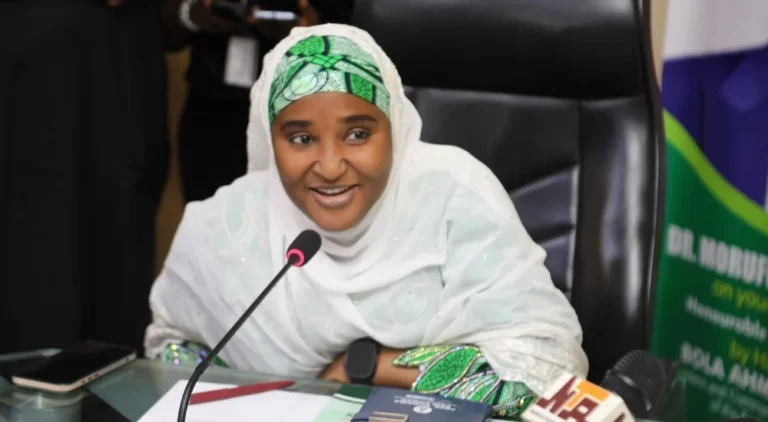
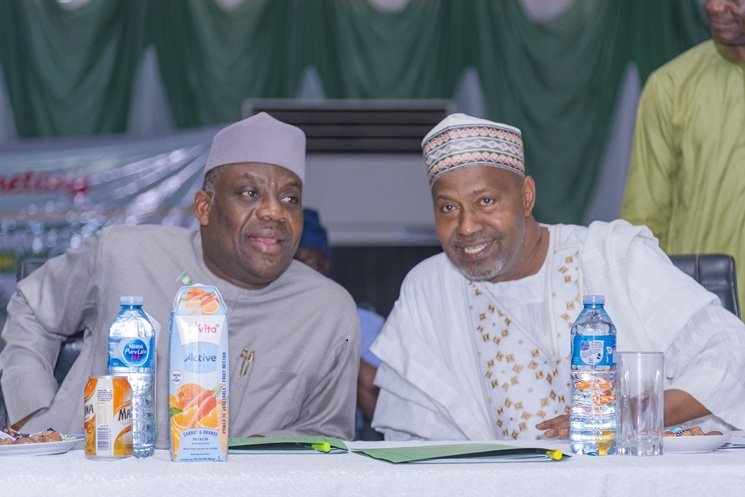
In a powerful briefing delivered on 12 February 2026, the African Union Commissioner for Education, Science, Technology and Innovation (ESTI) outlined a compelling and urgent continental drive to overhaul learning and skills development across Africa. The initiative known as the Decade of Education and Skills aims to bridge deep educational gaps, expand opportunities for young people, and position the continent as a global leader in knowledge, innovation and competitiveness.
This gathering of journalists and stakeholders came as the African Union marks one year since the formal declaration of the Decade of Accelerated Action for the Transformation of Education and Skills Development in Africa, a visionary political commitment endorsed by the AU Assembly in February 2025. Leaders and policymakers gathered to take stock of progress and chart a clear path forward.

Turning Words into Action: A Continental Pact for Education
The Commissioner explained that the Decade is not just another policy statement but a continental pact. It responds to stark realities about learning poverty on the continent and Africa’s demographic trends. Nearly eight out of every ten children cannot read and understand simple texts by age ten, a challenge that threatens social stability, economic growth and the promise of a demographic dividend.
At the heart of the Decade are three major continental frameworks. First is the Continental Education Strategy for Africa, designed to improve foundational learning and strengthen education systems. Second is the Science, Technology and Innovation Strategy for Africa, seeking to link knowledge development with economic outcomes. Third, the Continental TVET Strategy focuses on technical and vocational education and training to prepare young people for jobs in modern sectors.
The Commissioner emphasised that success will require coordinated action across governments, civil society, educators and continental partners. This includes improving teacher training, expanding access to digital learning, and ensuring that African universities play a central role in research that supports local industries.
Priorities for Change: Literacy, Skills and Innovation
One of the most pressing goals is to eliminate learning poverty. The AU’s plan is clear and ambitious: by 2034 every African child should achieve foundational literacy and numeracy. The commitment goes beyond access to schooling to ensuring quality learning outcomes and relevance to the needs of a rapidly changing labour market.
Aligned to this, the blueprint also seeks to transform young people’s skills so they are ready for jobs in green, digital and creative economies. This means moving away from a narrow focus on diplomas toward competency-based education that supports problem-solving, entrepreneurship and innovation.
Higher education institutions, under this new agenda, are expected to evolve into hubs of innovation. They are encouraged to deepen research, support knowledge commercialisation and collaborate with industries to generate jobs and wealth across the continent.
Strategic Tools for Implementation and Accountability
To make these ambitions real, the AU is establishing governance structures and tools to track progress reliably and transparently. Among these is a Pan-African Index of Innovation, Education and Cultural Empowerment. This first-of-its-kind continental yardstick will monitor indicators like teacher welfare, learning outcomes, digital readiness and inclusion, creating a shared framework for measurement.
Finance remains a central pillar. The new African Education, Science, Technology and Innovation Fund is expected to mobilise sustainable financing for teacher development, education technology and skills labs. The Commission urges member states and partners alike to align funding with the Decade’s priorities instead of creating disconnected projects that fail to generate systemic impact.
To promote ownership and shared responsibility, the Commissioner said a Continental Steering Committee will soon be established. Co-chaired by the African Union, UNESCO and UNICEF, and supported by the African Development Experts Association (ADEA), this body will strengthen governance and ensure collaborative action across sectors and borders.
A Shared Vision for Africa’s Future
The briefing resonated with optimism and determination. The Commissioner underscored that Africa’s greatest asset will always be its people – their minds, creativity, resilience and resolve. Indeed, the educational transformation agenda seeks to unlock that potential not just for individual success but for collective prosperity and peace across the continent.
Through flagship efforts like the upcoming Presidential Youth in Artificial Intelligence and Robotics Competition and partnerships to build innovation ecosystems, the AU is pushing the boundaries of what is possible. The goal is for Africa to produce its vaccines, create technologies that speak local languages, and foster industries powered by local innovation and talent.
As the briefing closed, the Commissioner’s message was clear: when Africa invests in education and innovation, it builds the foundation for leadership, competitiveness and self-reliant growth. The Decade of Education and Skills is not merely a plan; it is a shared journey towards a future in which African young people are prepared to thrive in a complex and fast-changing world.
This comprehensive report captures the spirit and substance of Africa’s bold vision to transform education, science and innovation for the benefit of millions of learners, teachers and families across the continent.
Join Our Social Media Channels:
WhatsApp: NaijaEyes
Facebook: NaijaEyes
Twitter: NaijaEyes
Instagram: NaijaEyes
TikTok: NaijaEyes