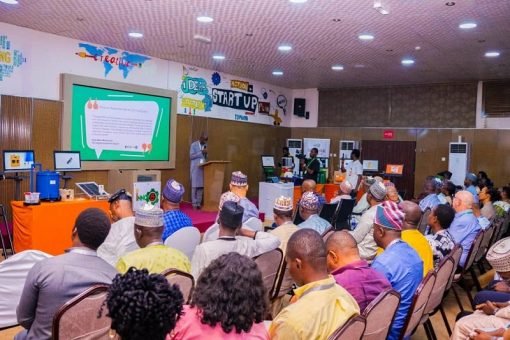
Across Africa, the conversation about education is shifting. Despite rising enrolment figures, the quality of learning and its relevance to labour markets is under intense scrutiny. Millions of young Africans are graduating from schools, colleges and universities each year but too many of them are leaving classrooms without the practical skills needed to thrive in today’s jobs market. This gap has deep consequences for youth employment, economic growth and national development. The solution being proposed by many experts is bold but clear: reimagining education through a pulse that beats in rhythm with market needs.
This article explores how market-focused education reforms could bridge the divide between learning and earning for Africa’s young people, why traditional systems are struggling and how new strategies can unlock the continent’s demographic dividend.
Why Traditional Education Systems Are Failing Many Young Africans
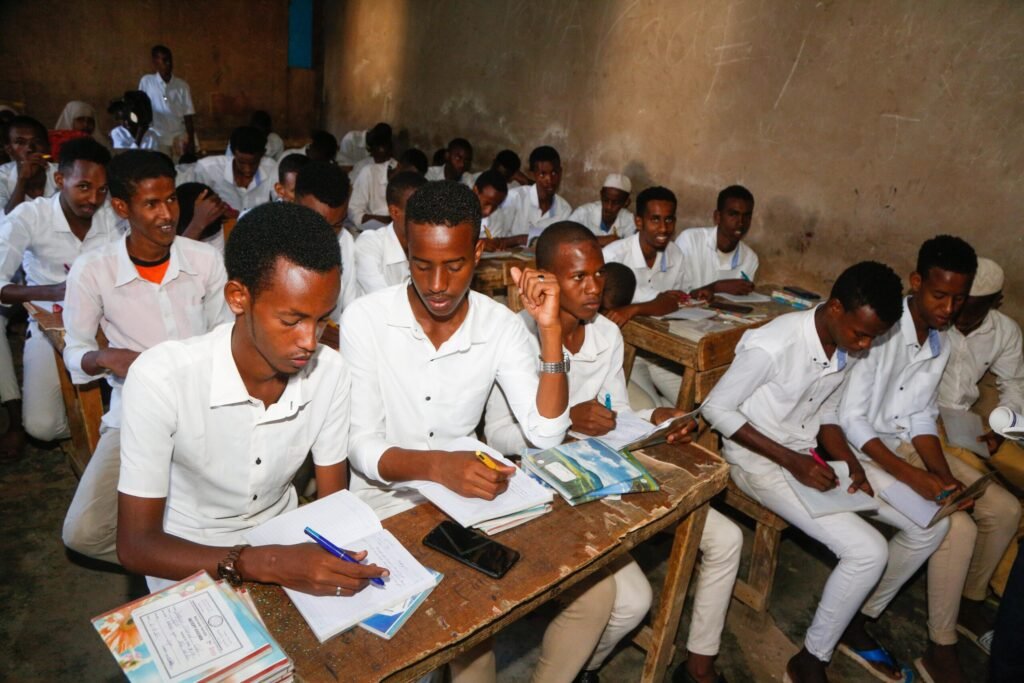
Africa’s youth population is large and growing. Nearly six in every ten Africans are under the age of 25. Each year more than ten million young people enter the labour market across the continent, yet only a small percentage secure formal employment. The challenges are rooted not in ambition but in the mismatch between what schools teach and what employers want.
For decades, many education systems in Africa have been dominated by content driven by examination success rather than practical skills. Rote learning and theory-based curricula were designed in a different era and are still central in many classrooms. The result is a generation of graduates who excel at passing tests but struggle to apply their knowledge in workplaces, businesses or entrepreneurial ventures. In many communities, this reality traps young people in cycles of dependence, frustration and unfulfilled potential.
Government-led reforms have often tried to address these issues, but too frequently they are slow, top-down, and disconnected from the realities students face after graduation. In countries like Nigeria and Kenya, curriculum changes and new teaching frameworks are ongoing, but they still fall short of equipping learners with the hands-on experience and problem-solving skills that modern industries demand.
The consequence goes beyond unemployment. When education fails to deliver practical skills, young people become more vulnerable to underemployment, migration and economic exclusion. Many talented youth are forced into informal and low-wage work because their education did not align with the opportunities available in the market. This outcome not only limits individual prospects but also weakens national economies.
What Market-Driven Education Reforms Would Look Like
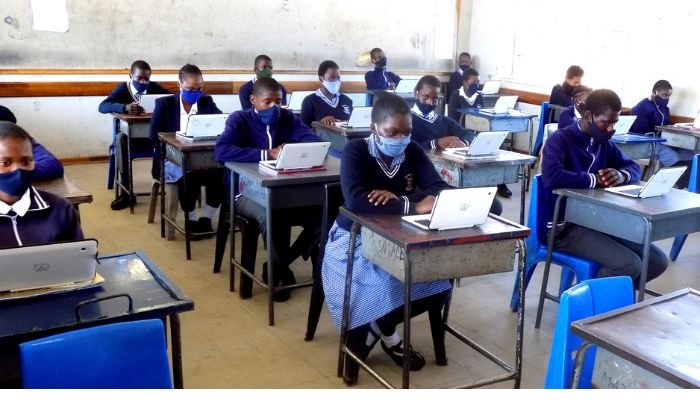
Market-driven education reforms mean reshaping learning systems so they are directly informed by the needs of the economy and the realities of modern workplaces. In practical terms, this means building stronger connections between schools, industries and local communities.
One of the cornerstones of this approach is collaboration between educational institutions and employers. Rather than designing curricula in isolation, schools and colleges would work hand in hand with businesses to identify the skills that are in demand and ensure learners graduate ready to contribute. This is especially critical in technical and vocational fields where hands-on experience matters most.
In Ghana, some technical institutes are already piloting partnerships with companies in construction and mining to give students practical exposure to workplace conditions before graduation. These initiatives help students gain confidence and competence, while giving employers a voice in shaping the future workforce.
Public-private partnerships are central to scaling this model. When government agencies, private firms and education leaders align their efforts, they can create more internship opportunities, apprenticeships and on-the-job training. These programmes embed students directly into real work environments where they can learn by doing and refine their skills based on actual industry feedback.
Another key element is entrepreneurship education. Africa’s economies cannot rely solely on traditional corporate or government jobs to absorb all young workers. Schools that teach creative problem solving, financial literacy, project design and business planning help young people look beyond job seeking. They cultivate the mindset and tools needed to create enterprises that address community needs and generate jobs for themselves and others.
Integrating innovation hubs, mentorship programmes and startup incubators within education ecosystems creates environments where young people can test ideas, receive guidance from experienced professionals and access resources that turn concepts into viable businesses. Partnerships that bring these private sector assets into schools help bridge theory and practice in meaningful ways.
The Broader Impact on Africa’s Future
When education systems are aligned with market realities, the benefits go beyond individual job placements. Market-driven reforms can help expand economic participation, reduce inequality and strengthen national competitiveness. Graduates who enter the workforce with relevant skills contribute to productivity, innovation and resilience in national economies.
One of the most profound impacts is economic freedom. Young Africans can transform education from a barrier into a bridge between aspiration and achievement. Instead of being trapped in unemployment or underemployment, youth will be positioned to thrive, create value and expand opportunities for peers and future generations.
The success of these reforms hinges on leadership, investment, and collaboration. Governments must prioritise policies that incentivise private sector involvement, support technical and vocational education, and reward outcomes that reflect real-world impact. At the same time, educators must embrace flexibility, responsiveness and a willingness to innovate in how learning is delivered. Civil society and community organisations also play vital roles in mentoring young people and providing platforms where informal learning supports formal education.
Beyond national borders, broader continental efforts can amplify impact. Shared strategies, knowledge exchange and cross-border industry partnerships can help scale successful models and ensure that learning excellence spreads across diverse African contexts. As countries collaborate to build skill ecosystems that are robust and future-oriented, the collective economic power and global competitiveness of African nations can grow more rapidly.
The young population of Africa is not just a demographic statistic; it is a reservoir of creativity, energy and untapped potential. When learning systems match the pace of economic change and the needs of 21st century workplaces, a generation that once struggled to find its place can become a driving force for innovation and prosperity.
Conclusion
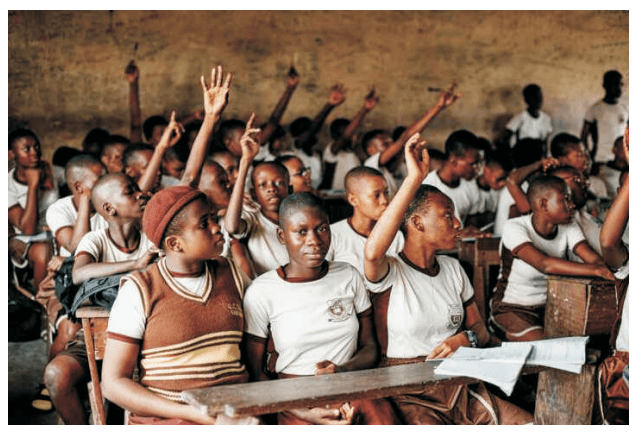
Reforming education to be market-driven is not a simple task, but it is an urgent one. Traditional schooling models that emphasise memorisation over practical skills cannot meet the expectations of young Africans or the labour markets that require talent. Strengthening partnerships between schools and employers, integrating entrepreneurship, expanding apprenticeships, and rethinking curricula are essential steps toward closing the skills gap.
When education becomes more relevant, inclusive and aligned with economic realities, the benefits ripple across communities and economies. Young people will be better equipped to secure meaningful work, start new ventures and contribute to national development. Africa’s youth are ready to unlock their full potential if the education systems that serve them are designed to reflect the world they will enter.
Join Our Social Media Channels:
WhatsApp: NaijaEyes
Facebook: NaijaEyes
Twitter: NaijaEyes
Instagram: NaijaEyes
TikTok: NaijaEyes