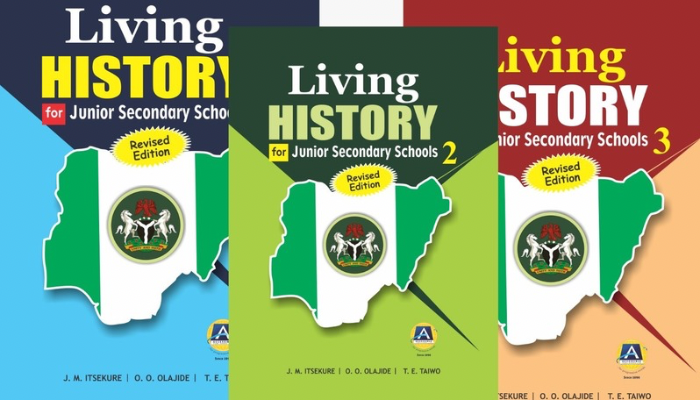
A storm of social media criticism over the alleged exclusion of the Igbo people from a popular Nigerian history textbook has drawn a firm response from the publishing team at Accessible Publishers Ltd and the authors of the series. Amid a viral video that circulated widely online, the publishers and historians behind the Living History for Junior Secondary Schools series have come out strongly to clarify and correct the record. Their message to parents, educators, and students is clear: the claims are unfounded and do not reflect what is actually in the books.
The controversy began with a video shared on Facebook that claimed the latest history series used in Junior Secondary Schools ignored the Igbo nation and its contributions to Nigeria’s past. The post quickly picked up traction, with many users reacting strongly and expressing disappointment. This prompted a swift and detailed rebuttal from Accessible Publishers Ltd, supported by the voices of experienced historians who helped develop the textbook series.
In official responses, the team dismissed the online claim as the result of a misunderstanding and misinterpretation of the textbook content. They emphasised that the material in question had been carefully reviewed and aligns with the curriculum guidelines set by the Nigerian Educational Research and Development Council (NERDC). They also highlighted specific sections of the textbooks to prove that Igbo history is included and properly treated in the narrative.
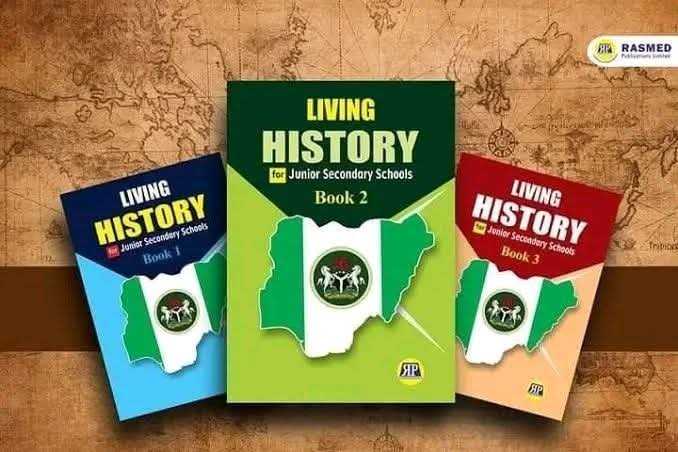
Details from the Living History Series on Igbo Representation
According to the publishers and authors, the Living History series contains substantial coverage of the Igbo people and their cultural and historical role within Nigeria. One of the key areas highlighted is the section on early civilisation, where the books explore archaeological findings at Igbo-Ukwu. These chapters describe the artefacts and cultural achievements discovered at the site, which are among the earliest evidence of advanced society in Nigeria.
The textbooks also address Nigeria’s demographic composition, naming the Igbo as one of the country’s major ethnic groups and providing contextual information about their population and place within the nation. Rather than being omitted, the Igbo narrative is woven into discussions about pre-colonial governance, economics, and cultural identity. Contributors to the series said that placing the Igbo within these broader themes reflects a commitment to presenting Nigerian history in a way that is both comprehensive and accessible to young learners.
Experts point out that the curriculum’s structure influenced where and how certain historical content is presented. For example, the way pre-colonial political systems are examined means that non-centralised societies like the Igbo are discussed in a particular context that matches educational goals for those school levels. This structural detail, they argue, has been misunderstood or overlooked by those spreading the exclusion claim.
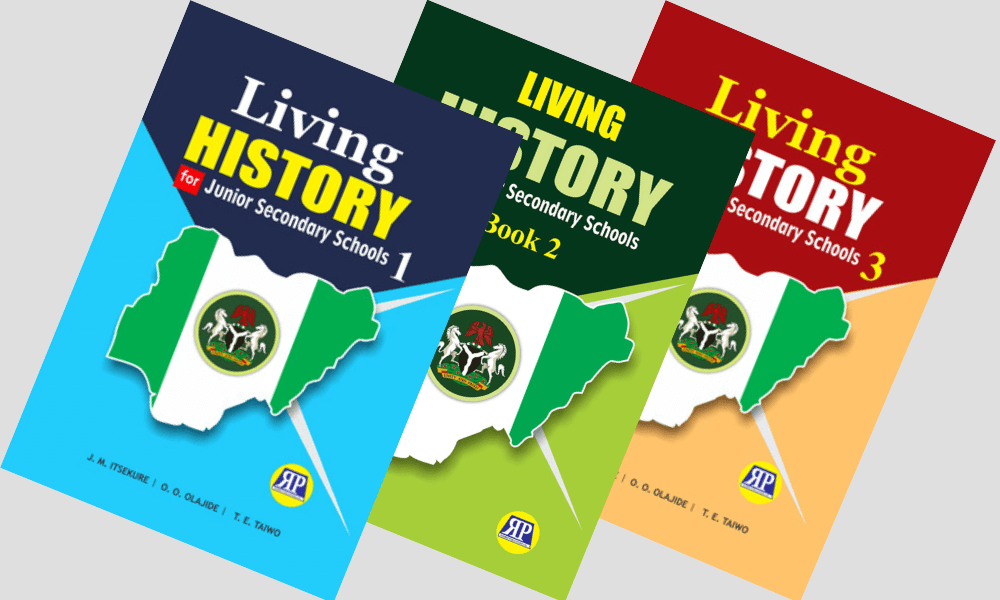
Reaction from Authors and Educators
Co-author Mrs. Taiwo Eucharia Taiwo, a professional historian with degrees from respected Nigerian universities, expressed genuine surprise at the controversy. In statements issued alongside her colleagues, she stressed that the textbook content was prepared with care and with strict reference to required academic standards. According to Taiwo, seeing the allegations was disheartening because it suggested a lack of careful reading rather than any genuine omission.
Their response also went beyond simple denial. Taiwo took the opportunity to explain that throughout the series, lessons are structured to fit within the national curriculum so that students can build a strong foundation of historical knowledge. This includes understanding how different ethnic groups, including the Igbo, contributed to the fabric of Nigeria long before colonial times and rightly belong in textbooks used in schools.
The authors and publishers released statements inviting critics and concerned stakeholders to read the full textbooks in context rather than basing opinions on isolated snippets or short clips shared on social media. They encouraged educators to use the books as teaching tools and to guide students through the content with clarity.
Legal and Social Implications of Misinformation
The publishers also touched on the broader implications of spreading misinformation about educational content. They described the viral post as “mischievous” and unhelpful, warning that such claims could harm the reputation of reputable educational firms and mislead those invested in quality learning resources. Part of their response included a perspective from legal experts who suggested that irresponsible online claims could meet the threshold for defamation and other civil liabilities, especially when they damage public trust in established work.
Alongside their clarifications, Accessible Publishers Ltd reiterated their longstanding commitment to producing materials that respect Nigeria’s cultural diversity. They underscored how important it is for educational resources to reflect the histories and experiences of all major groups in the country, enabling young Nigerians to grow up with a balanced and inclusive understanding of their national story.
Social media has become a powerful force in shaping public perception, and incidents like this illustrate the challenges of managing narratives in the digital age. What begins as a single claim or opinion can spread rapidly, sometimes without proper verification. Experts in education and media literacy stress the need for deeper engagement with source material and more responsible sharing practices, particularly when it involves sensitive topics like ethnicity and representation.
What This Means for Nigerian Education
For parents, teachers, and students navigating the noise of online discourse, this episode highlights several lessons about information integrity and the role of credible scholarship in education. Textbooks remain key tools in classroom learning, and their content is often the result of careful research, review, and alignment with national learning objectives. The debate over the Living History series shows that misunderstanding or mischaracterising educational materials can cause unnecessary controversy and distract from real educational goals.
Crucially, the episode also shows the importance of dialogue between content creators and the communities they serve. Clarifications from Accessible Publishers and historians aim to build trust and ensure that all voices within Nigeria’s rich cultural tapestry feel seen and respected. With Nigeria’s diverse population and deep historical roots across many regions and ethnic groups, inclusive education serves not just as academic instruction, but also as a bridge for deeper understanding among citizens.
In concluding their response, the publishing team stressed that meaningful conversations about history should be grounded in facts, careful reading, and respectful exchange rather than viral exaggeration or misunderstanding. The Living History series, they reaffirmed, remains a resource designed to inform, inspire, and celebrate Nigeria’s diversity for the learners of today and tomorrow.
Join Our Social Media Channels:
WhatsApp: NaijaEyes
Facebook: NaijaEyes
Twitter: NaijaEyes
Instagram: NaijaEyes
TikTok: NaijaEyes