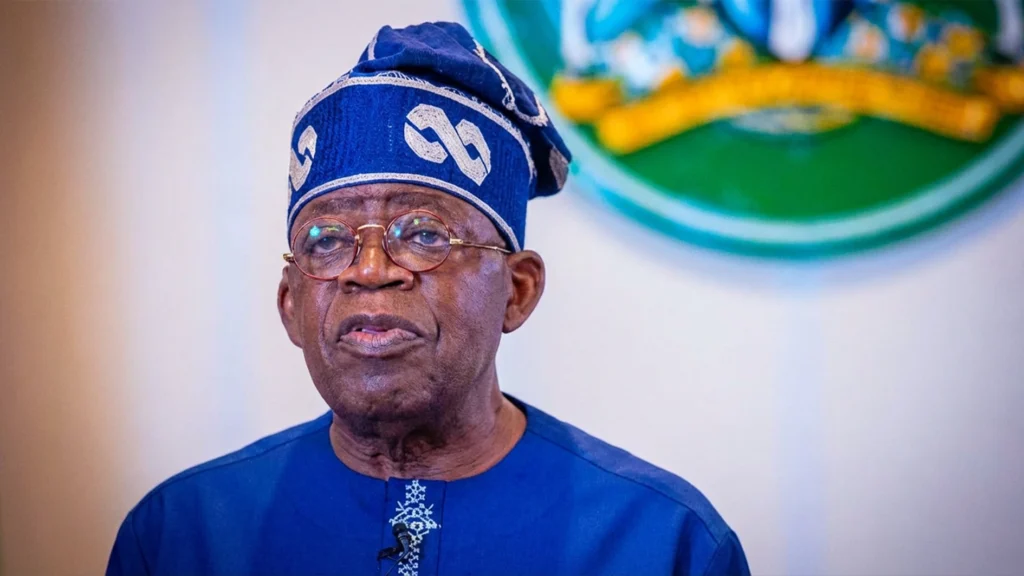
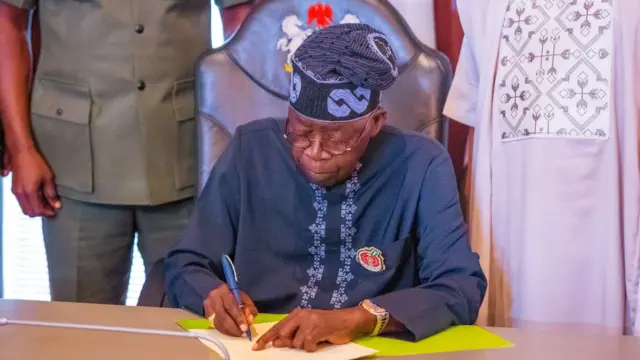
In a decisive moment for Nigeria’s democratic journey, President Bola Tinubu has signed the Electoral Act 2026 into law. The step marks one of the most significant changes to the nation’s electoral legal framework in recent years and comes as Nigerians and political stakeholders prepare for the general elections scheduled for 2027. With months of legislative debate now concluded, the new law will shape how elections are conducted, how results are transmitted, and how electoral administrators and citizens interact with the process in the run-up to the polls.
The signing ceremony took place on a Wednesday afternoon at the Presidential Villa in Abuja. Mr Tinubu’s action follows the passage of the Electoral Act (Repeal and Re-Enactment) Bill 2026 by the National Assembly just days earlier, after intense deliberations and public interest. Lawmakers and senior government officials were present to witness the historic moment for Nigeria’s electoral system.
A New Legal Framework for the 2027 Elections
The Electoral Act 2026 replaces the previous version from 2022 and brings with it a range of changes aimed at updating the legal groundwork for elections in Africa’s most populous democracy. One of the key revisions concerns timelines and procedures for announcing elections and for how results are to be handled by the Independent National Electoral Commission (INEC).
A notable adjustment made by the National Assembly was the reduction of the election notice period. Originally set at 360 days before polls, the window was brought down to 300 days to prevent clashes with significant national events like the Ramadan fasting period. This change was widely discussed in legislative sessions as lawmakers sought to strike a balance between election planning and cultural considerations.
Another point of debate that shaped the final Act was how election results should be transmitted. Civil society organisations and many opposition figures had pushed strongly for mandatory electronic transmission of results from polling units to central servers. They argued that real-time transmission would improve transparency in a country where electoral outcomes have often been contested. However, the final law retains a provision that allows manual result collation in situations where technology or network issues create obstacles.
These provisions mean that while electronic transmission is permitted, physical documentation like Form EC8A remains an accepted and critical component where digital systems are not reliable. INEC is expected to issue detailed guidelines based on the new law to ensure the process runs smoothly across Nigeria’s diverse states and localities.
Driving Debate Over Electoral Transparency
The run-up to the presidential assent was marked by robust and sometimes heated debate across the political spectrum. Many Nigerians took to social and mainstream media to express their views on the law, particularly on electronic result transmission. Civil society groups staged protests outside the National Assembly complex, highlighting their demand for transparent and technology-driven electoral processes that minimise human interference.
Those advocating for stronger e-transmission argued that the failure of INEC’s Results Viewing Portal in the 2023 elections had eroded public confidence in the integrity of the process. In that election, the collapse of the online portal triggered widespread allegations of rigging and manipulated figures, spurring fresh calls for reform.
On the other side of the conversation, some lawmakers and political stakeholders cautioned against mandating real-time electronic transmission in every situation. They pointed to Nigeria’s telecommunications gaps, particularly in rural areas where network coverage can be weak or unpredictable. For these representatives, a phased or hybrid method that permits manual backup would protect the electoral process from being derailed by technical interruptions.
The compromise adopted in the new law reflects this tug of war between transparency advocates and technological pragmatists. While the option for electronic transmission remains, safeguards ensure that INEC can revert to printed results when necessary.
Political and Institutional Reactions
Responses from political figures and stakeholders have been mixed. Supporters of the law’s passage say that it gives INEC the clear legal authority it needs to conduct elections in 2027 and beyond. They highlight that certainty in legal frameworks is essential for planning, voter education, party primaries, and other activities that must happen months before ballots are cast.
Critics, however, argue that some amendments could weaken electoral transparency or fail to go far enough in modernising the system. A number of civil society leaders have voiced concerns that the manual backing provisions could be exploited to manipulate outcomes, especially in areas where oversight might be limited.
Notable voices outside government also weighed in before the signing. For example, an ex-INEC official publicly urged the president to reconsider signing the bill, warning that certain elements could undermine voter confidence and calling for greater judicial oversight in electoral disputes.
Still others have expressed optimism that the new law represents a fresh chapter in Nigeria’s continuing democratic development. They point out that a clear electoral statute helps political parties, candidates, and citizens prepare more effectively for nationwide polls that will include presidential, National Assembly, governorship, and state house of assembly elections.
What It Means for Nigerians
For many Nigerians, the signing of the Electoral Act 2026 is more than just a bureaucratic milestone. It represents the legal foundation on which the 2027 general elections will stand. That election will be closely watched at home and abroad. Analysts say the legal certainty provided by this new Act could help reduce disputes over procedural loopholes and strengthen trust in the outcome.
At the same time, the law’s reception shows that the journey towards fully inclusive, transparent, and technology-empowered elections still has passionate debate ahead. As the nation moves forward, the interplay between technology, governance, and civic engagement will continue to shape how Nigerians vote and how leaders are chosen.
The ball is now in INEC’s court to translate these legal provisions into operational plans that will guide political parties, election observers, and voters themselves as Nigeria heads toward its next major democratic test.
Join Our Social Media Channels:
WhatsApp: NaijaEyes
Facebook: NaijaEyes
Twitter: NaijaEyes
Instagram: NaijaEyes
TikTok: NaijaEyes