As Nigeria edges closer to a planned shift from traditional written examinations to fully computer-based Senior School Certificate Examinations beginning in 2026, questions are mounting over whether the nation’s schools are prepared for such a transformation. What education stakeholders had hoped would modernise national exams now faces serious uncertainty as experts warn that infrastructure gaps, policy challenges, and uneven readiness could undermine the entire effort to adopt digital testing.
The West African Examinations Council (WAEC) and the National Examinations Council (NECO) have been at the centre of this planned shift to computer-based testing (CBT) for school candidates. In theory, digital exams could raise standards, reduce malpractice, and align Nigeria’s education system with global assessment practices. But in practice, the reality on the ground tells a very different story.
Ebenezer Mbamalu, an educationist and founder of Meclones College in Lagos, spoke candidly about the challenges facing schools across the country. He describes the planned 2026 digital examinations as well-intentioned but premature, given the current state of facilities and training in many institutions. “Most schools are not properly equipped for CBT,” he told The PUNCH, stressing that the shift requires more than good intentions — it demands robust infrastructure and strategic partnerships.
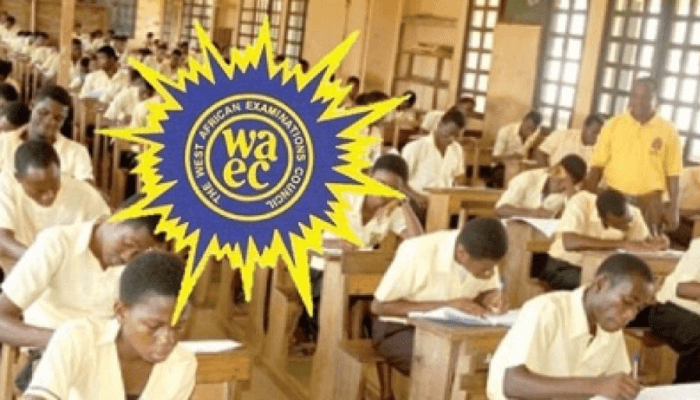
Huge Gaps in Infrastructure and Capacity Across Schools
Central to the concerns about school readiness is the stark difference in infrastructure between urban and rural schools, and between well-funded private institutions and public schools struggling with basic resources. Many secondary schools across Nigeria still lack stable electricity, sufficient computers, reliable internet access, and trained ICT teachers — all of which are essential for a successful digital examination environment.
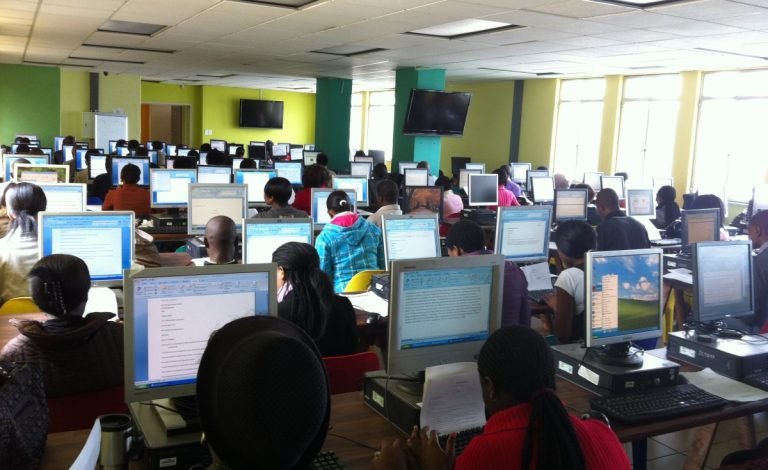
Earlier directives from WAEC have set out demanding requirements for schools that wish to host CBT examinations, such as providing at least 250 functional computers, network hardware, power backups, and security systems like CCTV. These requirements have been criticised by some educators as unrealistic for most schools, especially those with smaller student populations or operating with limited budgets.
This reality has led members of the House of Representatives to call for a suspension of the CBT rollout for the 2026 exams. Lawmakers argue that rushing into a nationwide digital testing model without adequate infrastructure could disadvantage many candidates, particularly those in underserved communities. Concerns highlighted include the lack of reliable electricity in rural schools, the shortage of trained personnel to oversee computer-based exams, and the potential mental stress on students forced to adapt quickly to unfamiliar testing formats.
A representative who spoke in the National Assembly pointed out that the challenges facing schools go beyond mere equipment. They extend to teacher training, equitable access, and readiness assessments that, if not addressed, could lead to mass student failure. Their motion urged the Federal Ministry of Education and WAEC to reassess timeline plans and prioritise infrastructure upgrades before introducing CBT on such a large scale.
Stakeholders Call for Stronger Public-Private Collaboration
Mr Mbamalu and other education experts believe that while the goal of computer-based examinations is admirable, achieving it requires more than a top-down policy announcement. They argue that the government must work closely with private schools and other partners to build capacity across the board. Investments in technology, training, and sustained support could help smooth the transition and ensure that students everywhere have a fair chance to succeed.
Mbamalu emphasised the importance of combining technology with meaningful policy reforms. According to him, schools need both the physical resources and the human capacity to deliver a computer-based exam experience that reflects global standards and enhances learning outcomes. He suggests that government support should go beyond token gestures to include long-term funding and strategic engagement with all corners of the education sector.
The educationist also drew attention to broader policy issues that intersect with CBT readiness. He raised concerns about age-based admission rules for tertiary education, suggesting that some policies may inadvertently penalise students who are academically ready but younger than the prescribed minimum age. While this is a separate issue, Mbamalu argues that it reflects wider systemic problems within the education sector that must be addressed alongside the digital testing transition.
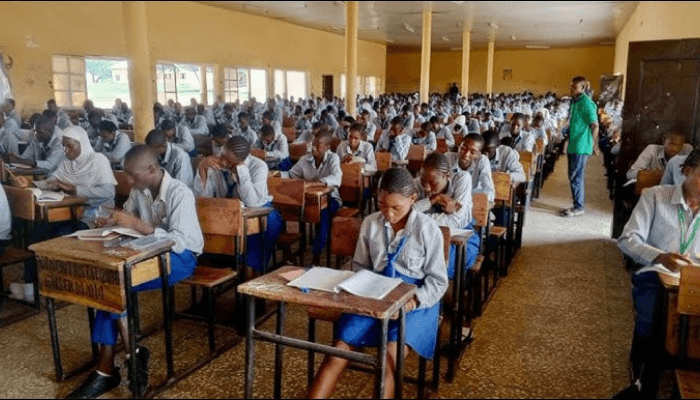
What Lies Ahead for Nigeria’s Examination System
The 2026 timeline for a computer-based SSCE remains contentious. Some developments suggest a compromise path — one in which 2026 serves as a pilot phase, allowing students to choose between digital and traditional paper-based exams. According to other reports, WAEC has even shifted full implementation of CBT to 2027 while using the 2026 examination as a transitional period. During this pilot stage, students may sit for exams in either format as the council and the Federal Ministry of Education work to shore up readiness.
WAEC has also been running trial sessions to familiarise students with computer-based formats, including digital essay writing and other components. These initiatives aim to help students and teachers adapt to new systems and reduce the digital literacy gap. Many see such training as essential if CBT is to be adopted nationwide without leaving any student behind.
Still, the underlying challenges remain significant. Schools in many parts of the country must prioritise investments in infrastructure, training, and support systems or risk leaving students at a disadvantage. Building the capacity for CBT testing is not simply a technical task — it is an educational transformation that requires sustained attention, funding, and collaboration among government, schools, communities, and stakeholders.
As Nigeria navigates this complex shift, the question of readiness — whether schools are truly ready for the 2026 computer-based SSCE exams — remains at the forefront of national debate. For now, educators, lawmakers, and communities continue to push for a phased, practical, and inclusive approach that ensures fairness and equity for all students in the years ahead.
Join Our Social Media Channels:
WhatsApp: NaijaEyes
Facebook: NaijaEyes
Twitter: NaijaEyes
Instagram: NaijaEyes
TikTok: NaijaEyes