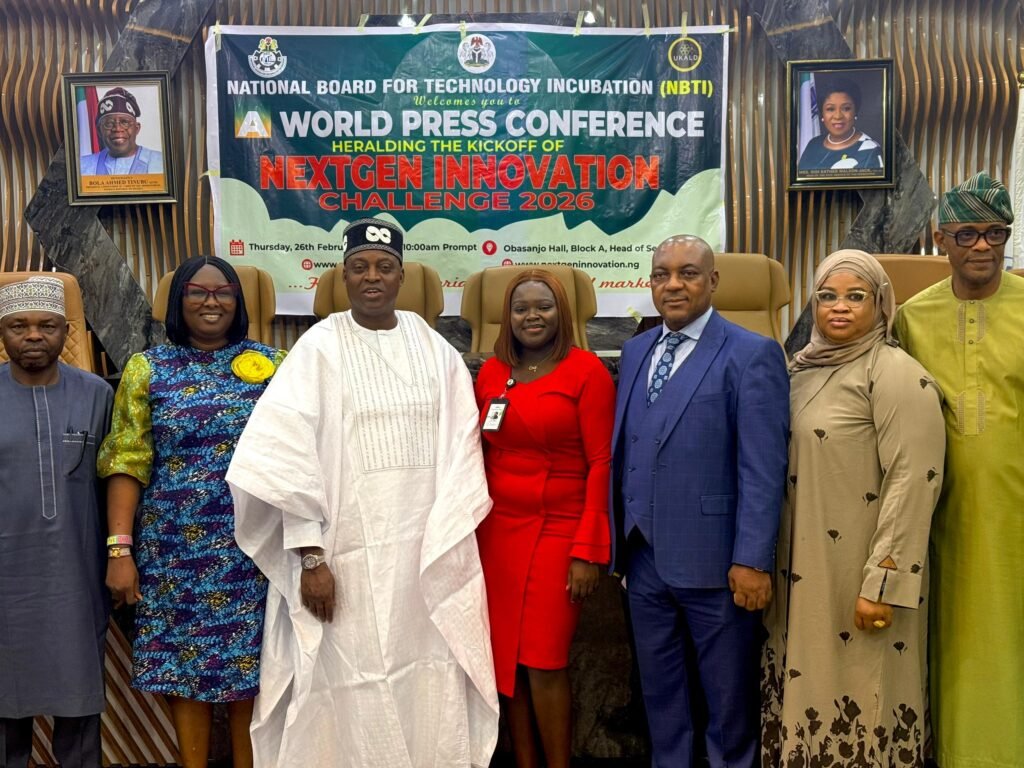
In a bid to reposition the nation as a centre for technological breakthroughs and economic development, the Federal Government has stepped up efforts to push the commercialisation of research outputs from Nigerian universities, polytechnics, research institutes and individual innovators. The renewed push comes as the NextGen Innovation Challenge 2026 officially opens, offering a structured platform for translating academic research into products and services with strong market viability.
At a media briefing in Abuja, the Director-General of the National Board for Technology Incubation (NBTI), Dr Kazeem Kolawole Raji, outlined the government’s vision for a stronger, more dynamic innovation ecosystem that can attract both local investment and global partnerships. Positioned by policymakers as a critical link between academic ideas and commercial realities, the initiative seeks to address long-standing gaps in Nigeria’s research-to-market pipeline.
Dr Raji emphasised that the value of research lies not just in academic publication, but in its capacity to solve real-world challenges, drive job creation, and generate economic wealth. Under his leadership, the NBTI is reminding institutions that commercialisation is not optional but central to academic excellence and national progress.
Bridging the Gap Between Research and Enterprise
The NextGen Innovation Challenge 2026 is being presented as more than just a competition. It is a development accelerator designed to empower young innovators with the tools, mentorship and financial support needed to turn ideas into businesses that can compete nationally and internationally.
According to official descriptions of the programme, participants will have access to specialised boot camps beginning in Abuja, followed by a series of activities culminating in a grand finale set for October in London. The global showcase aims to shine a spotlight on Nigeria’s brightest innovators while promoting cross-border investment and collaborations.
The programme is organised by NBTI in strategic partnership with UKALD, a United Kingdom-based consultancy firm with experience in scaling innovation ecosystems. This collaboration reflects Nigeria’s ambition to integrate with worldwide networks and create opportunities that transcend local limitations.
Dr Raji said that innovation challenges like NextGen 2026 provide a structured pathway for young minds to transition their work from conceptual stages in laboratories to tangible products on the shelves of global markets. This shift is intended to inspire a culture where Nigerian research contributes directly to economic growth and societal advancement.
Priority Sectors and National Development Goals
Central to the NextGen Innovation Challenge’s strategy is its focus on sectors deemed critical to future economic growth and technological leadership. These areas include artificial intelligence, advanced semiconductors, renewable energy, climate resilience technologies and other high-impact fields. By aligning with global demand, Nigerian innovators are being positioned to tap into emerging opportunities that extend beyond national borders.
This sector focus also aligns with broader national priorities and international frameworks such as the United Nations Sustainable Development Goals, reinforcing the idea that innovation should contribute to sustainable development while creating measurable economic and social benefit.
In his remarks, Dr Raji referenced President Bola Ahmed Tinubu’s economic reform agenda, underlining the administration’s belief that innovation constitutes “the new oil.” This metaphor serves as a policy anchor, indicating a concerted effort to shift Nigeria’s economic foundation from traditional resource dependence to knowledge-driven industries.
Empowering Young Innovators and Academic Institutions
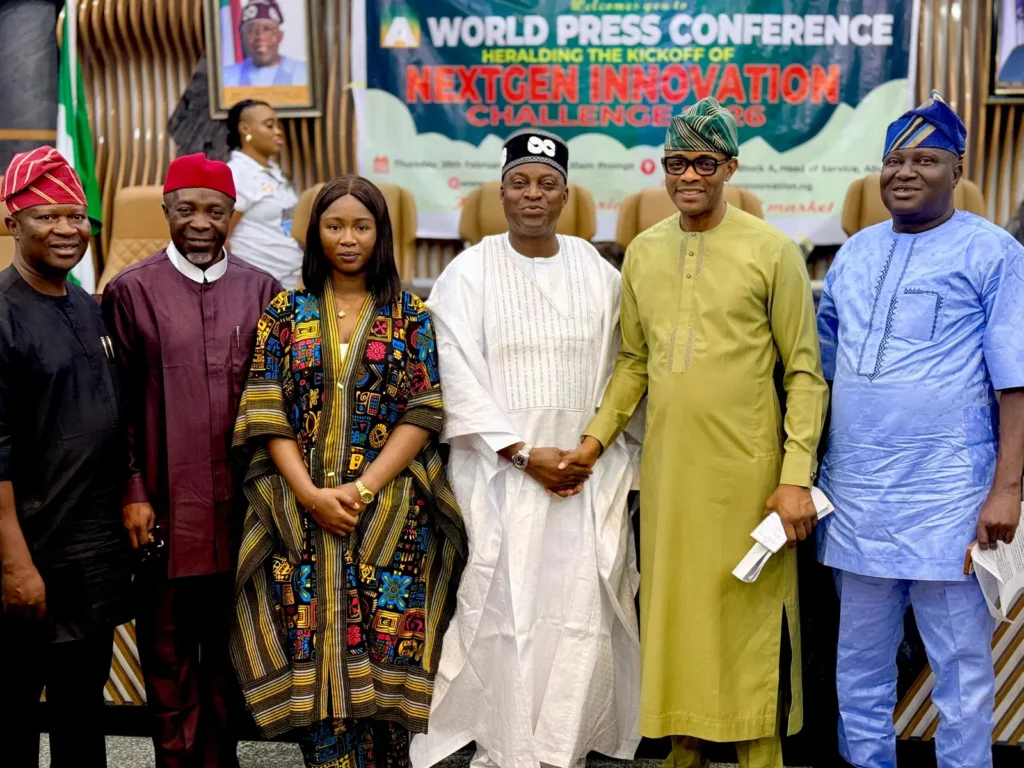
A major theme in the government’s message is the role Nigerian youth and academic researchers play in shaping the country’s future. Dr Raji encouraged students, researchers and start-ups to view their ideas not as theoretical exercises, but as national assets with the potential to transform the economy.
Universities and research institutions have been urged to embed commercialisation into their core mission, moving beyond conventional teaching and publication. This implies greater emphasis on intellectual property management, industry partnerships and entrepreneurial training within academic programmes.
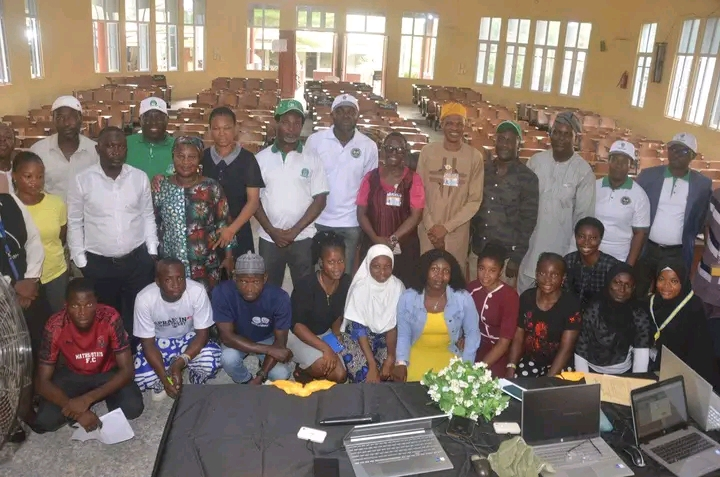
To reinforce this ecosystem, NBTI’s nationwide network of incubation centres will provide mentorship, support for start-ups, pathways for intellectual property protection, and connections to capital. These centres are intended to de-risk early-stage technologies and provide a nurturing environment where ideas can evolve into profitable ventures.
With the registration period already open and scheduled to close at the end of March 2026, the challenge is drawing interest from across the country’s innovation landscape. It marks a key opportunity for innovators to showcase solutions that address local and global challenges.
The Road Ahead for Innovation in Nigeria
The launch of the NextGen Innovation Challenge 2026 reflects a strategic pivot by the government towards valuing research that delivers tangible impact. By prioritising commercialisation, policymakers hope to foster an environment where innovative solutions directly contribute to economic resilience and technological sophistication.
Critically, this initiative arrives at a time when Nigeria is actively seeking new economic drivers and diversification. By building robust linkages between academia, industry and investors, the government aims to harness the vast potential of Nigerian minds and ensure that homegrown research translates into products and services that add value locally and globally.
The outcome of this challenge could define Nigeria’s standing in Africa’s rapidly evolving innovation landscape. A successful rollout may attract more international capital, inspire a new generation of entrepreneurs and demonstrate the possibilities that arise when research and enterprise work hand in hand.
For many participants and observers, the NextGen Innovation Challenge is more than an annual event. It is a symbol of hope, a platform for transforming dreams into reality, and a testament to the belief that Africa’s future can be defined by its capacity to innovate, commercialise and compete on the global stage.
Conclusion
As the NextGen Innovation Challenge 2026 progresses, all eyes will be on how Nigerian innovators rise to the occasion, translating research into impactful solutions that generate economic and social value. With government backing, international partnerships and a growing emphasis on commercialisation, the stage is set for a new era in Nigeria’s innovation journey.
Join Our Social Media Channels:
WhatsApp: NaijaEyes
Facebook: NaijaEyes
Twitter: NaijaEyes
Instagram: NaijaEyes
TikTok: NaijaEyes