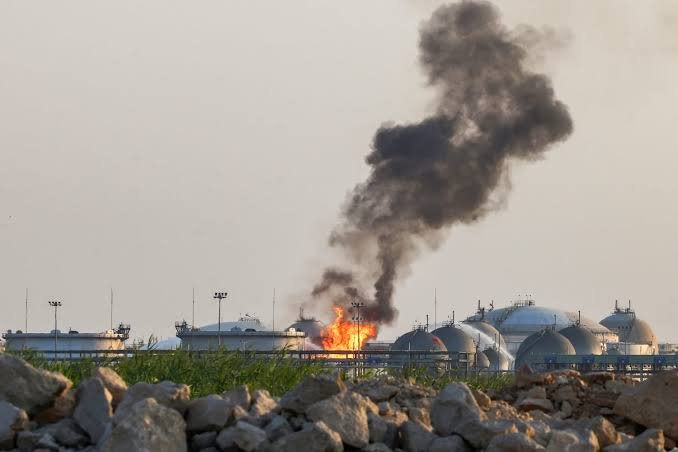

In a dramatic and heavily escalated confrontation on Saturday, Israel and the United States launched coordinated military attacks on Iran, marking one of the most significant escalations in Middle East tensions this year. Early reports from Tehran showed massive explosions in the city’s downtown regions and plumes of smoke rising above residential and governmental districts. Civilians in Iran and neighbouring countries woke up to the rumble of bombardments and unprecedented military activity across the region.
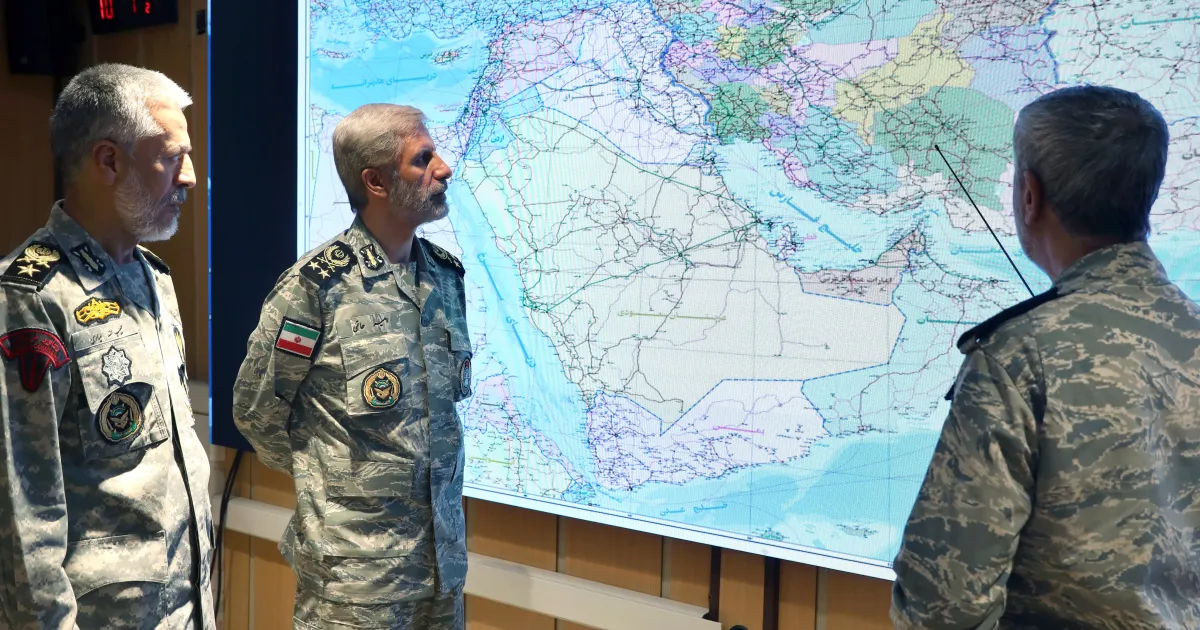
The military operation, carried out in the early hours of the morning, struck key locations in Iran including Tehran, Isfahan, Qom, Karaj and Kermanshah. According to defence officials, these strikes specifically targeted military infrastructure, ballistic missile launchers, and command centres purported to pose threats to both Israeli and American security interests. Iran’s supreme leader, Ayatollah Ali Khamenei, was reported to have been moved to a secure location as the attacks unfolded.
Israeli authorities declared a state of emergency quickly after the first explosions were heard and closed all civilian airspace over the country. The Israeli Defence Ministry stressed that these operations were aimed at neutralising “imminent threats” and protecting national security. Similar airspace closures followed in Iran as Iranian authorities shut down their skies in response to the unfolding military actions, according to Business Standard.
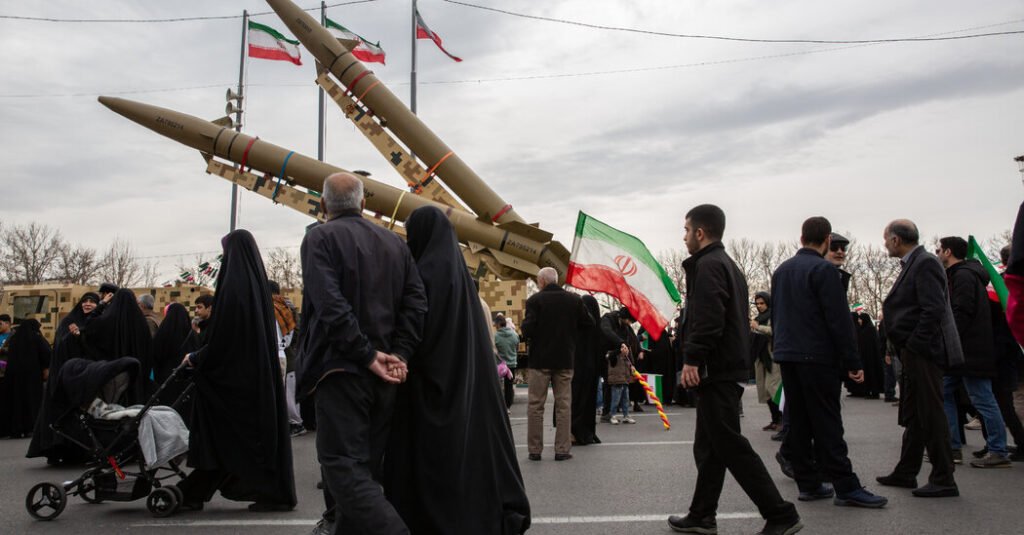
Regional Impact and Diplomatic Fallout
The unfolding conflict has sent shockwaves across the Middle East and beyond. The closure of airspace over Israel and Iran has disrupted international air travel, forcing airlines to cancel flights or reroute services. Major carriers announced reassessments of routes through the region, heightening concern among travellers and aviation officials.
Political leaders around the world are closely watching developments. Diplomatic efforts earlier in February had focused on negotiating a deal to limit Iran’s nuclear program, but disagreements over ballistic missile restrictions and Iran’s regional support for armed groups had stalled progress. Israel had consistently argued that any agreement must address these additional concerns, while Iran insisted that such issues be treated separately.
The highly charged atmosphere was further fueled by statements from U.S. and Israeli leaders. The U.S. President described the operation as necessary to eliminate threats and called on Iranians to consider “a new future for their governance.” Israeli leaders echoed the view that decisive action was necessary for national and regional stability, framing the strikes as defensive and preemptive in nature.
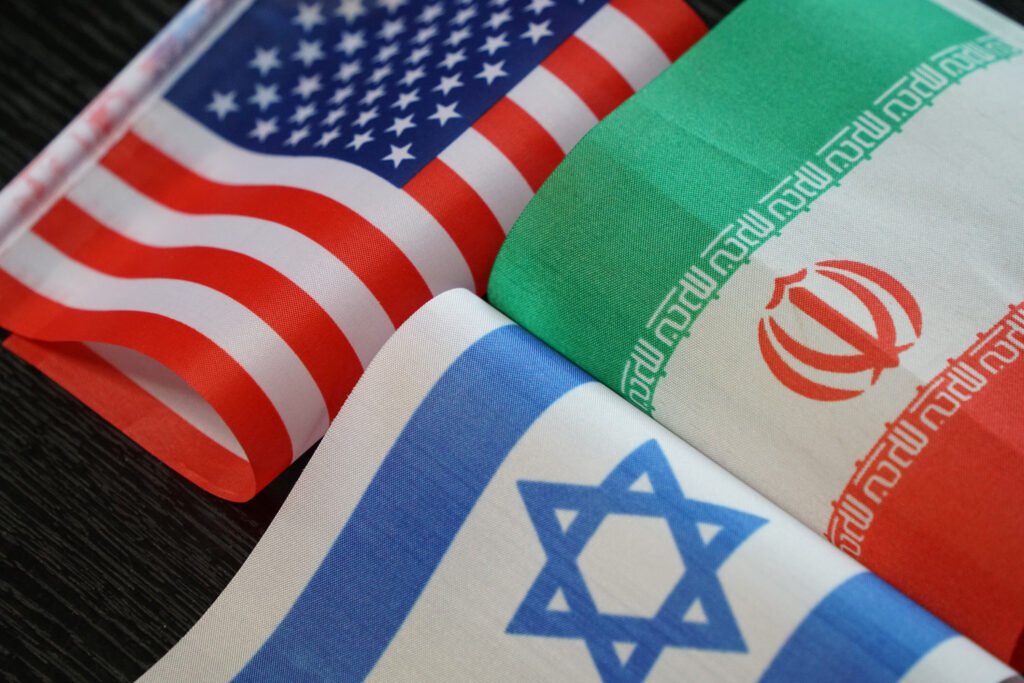
Reactions Within Iran and Expected Retaliation
Across Iran, the immediate response to the strikes was a mix of shock and defiance. Reports from Iranian sources indicate that mobile phone services were disrupted and internet access was significantly limited, making it difficult to assess the full scale of effects on civilian life. State media confirmed the explosions in Tehran but offered limited details on casualties or the broader impact on the city’s population.
Iranian military officials have vowed retaliation. Senior leaders in Tehran warned that all American and Israeli military facilities in the region would be legitimate targets if the strikes were not halted. Already, there were reports of missile and drone launches by Iranian forces towards U.S. and allied positions in nearby Gulf states.
The tension on the ground is palpable. Air raid sirens sounded throughout several regions in Israel as citizens were urged to seek shelter in preparation for possible counterattacks from Iran. Similar civil protection measures were reportedly put in place in parts of Iran. The uncertainty gripping ordinary people on both sides of the conflict is now a stark reality.
Broader Implications for Global Security and Peace Prospects
This conflict has profound implications for global peace and security. Analysts and diplomatic sources suggest the strikes signal a departure from recent cautious diplomacy and a shift towards direct military confrontation. The involvement of the United States alongside Israel underscores the depth of strategic alignment between the two nations when it comes to confronting perceived threats from Tehran.
Global markets quickly reacted to news of the attacks, with commodities like oil seeing increased volatility and digital assets such as Bitcoin sliding sharply after the strikes were announced. Investors and financial markets are watching anxiously, concerned about the potential for prolonged instability in a region already sensitive to economic fluctuations.
Humanitarian organisations and international leaders have expressed serious concern over the impact of the violence on ordinary civilians. Should the conflict expand further, the humanitarian cost could be enormous, potentially displacing thousands of people and triggering wider regional instability. Calls for restraint and renewed diplomacy have emerged from capitals around the world even as the military campaign unfolds.
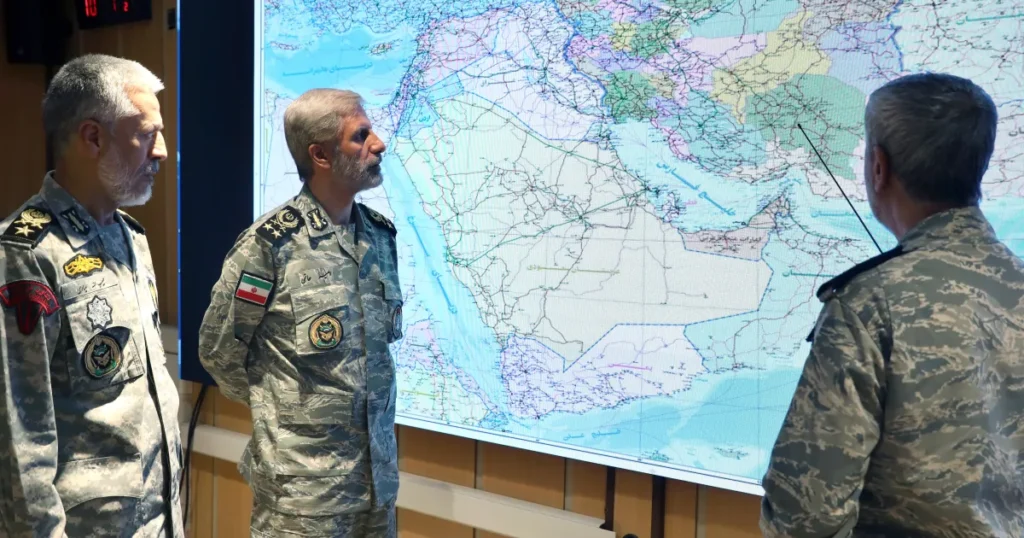
In Nigeria and across Africa, news of the crisis has resonated with many who remember the broader repercussions of past Middle East conflicts on global stability, migration, and economic pressures. Local analysts stress the need for peaceful resolutions and highlight the risks that a wider confrontation could pose to fragile peace efforts in other regions.
As events continue to evolve, it remains unclear how long the military operations will last or what the full consequences will be. What is certain, however, is that 28 February 2026 has become a defining date in the long and fraught history of Middle East geopolitics. The world watches, hopes for peace, and prepares for the possibility of further escalation.
Join Our Social Media Channels:
WhatsApp: NaijaEyes
Facebook: NaijaEyes
Twitter: NaijaEyes
Instagram: NaijaEyes
TikTok: NaijaEyes