Nigeria’s booming financial technology sector has taken centre stage in national policy discussions this week as the House of Representatives moved to tighten oversight through a proposed dedicated regulatory body. On Monday, lawmakers convened a public hearing to gather expert and industry input on the Nigerian Fintech Regulatory Commission Bill (HB.2389), a piece of legislation designed to bring greater clarity and coordination to fintech oversight in the country.
The fintech ecosystem in Nigeria has grown rapidly over recent years, with digital payments, mobile money services, and a host of innovative financial solutions becoming commonplace. While this growth has expanded financial inclusion and created new economic opportunities, it has also exposed gaps in the current regulatory framework that industry leaders and legislators now want to address.
Lawmakers Push Public Hearing to Shape Fintech Regulation
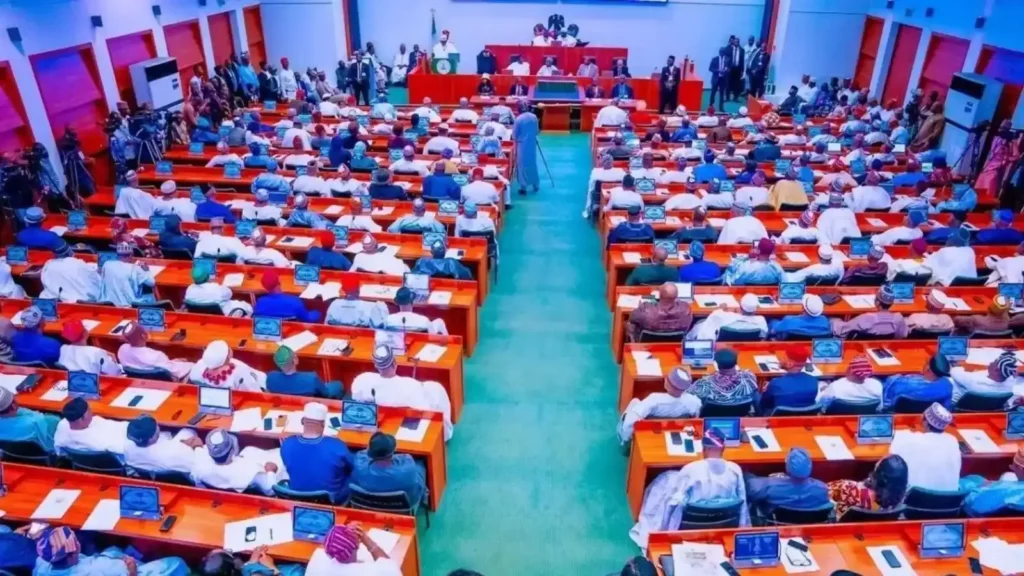
The House of Representatives’ public hearing on the fintech regulatory commission bill was officially opened by Speaker Tajudeen Abbas in Abuja, drawing contributions from stakeholders across the fintech landscape. The focus of the session was to ensure that the bill is strengthened through wide consultation, meets constitutional standards, and aligns with the needs of all Nigerians affected by fintech regulation.
In his remarks, the Speaker emphasised that crafting laws through stakeholder engagement helps avoid bureaucratic pitfalls and ensures practical enforceability. According to him, overlapping mandates from different government agencies have made compliance confusing and costly for fintech firms. A single coordinated framework will help resolve these challenges while making Nigeria a more attractive place for investment.
Hon. Fuad Kayode Laguda, the sponsor of the bill and representative for Surulere I Federal Constituency, explained that the current system subjects fintech companies to supervision from multiple regulators, including the Central Bank of Nigeria, Securities and Exchange Commission, National Information Technology Development Agency, and several others. This fragmentation, he said, increases operational hurdles and deters innovation.
The public hearing provided a platform for fintech founders, legal experts, consumer advocates, and regulatory officials to voice their support, concerns, and suggestions. Views ranged from calls for strong consumer protection provisions to discussions about cybersecurity and data privacy in the fintech environment.
Why a Dedicated Fintech Regulator Matters
Nigeria’s fintech ecosystem has become one of the fastest-growing in Africa, with estimates showing hundreds of companies operating in the space and substantial transaction volumes recorded annually. Yet there is no single official body empowered to regulate the entire industry comprehensively.
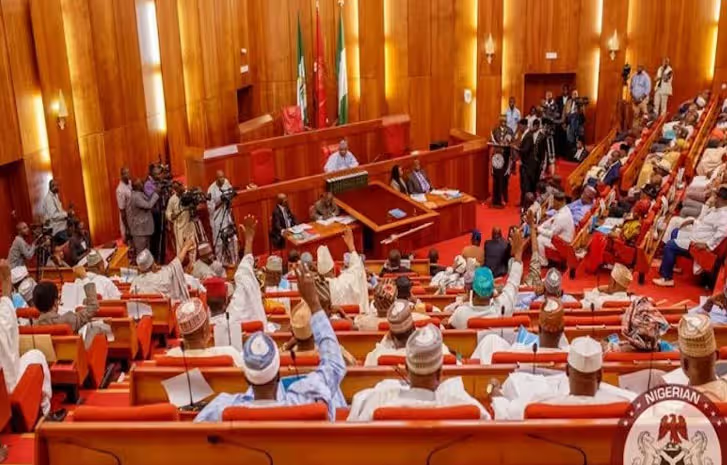
Proponents of the bill contend that establishing a dedicated Nigerian Fintech Regulatory Commission will help streamline licensing, enforce compliance, and enhance consumer confidence. Unlike the current multi-agency approach, the new commission would be a one-stop regulatory authority with the legal mandate to set standards, protect users, and monitor digital financial services with consistency.
The lack of unified regulation has made it difficult for startups to navigate compliance requirements, slowing growth and sometimes exposing consumers to fraud and related risks. With fintech services increasingly becoming integral to how Nigerians save, borrow, and invest, lawmakers argue that a tailored regulatory agency could reduce uncertainties and foster healthy competition in the sector.
In addition to licensing and supervision, the proposed commission would actively focus on cybersecurity measures, provide consumer education, and work closely with other financial regulators to harmonise policies without duplicating functions. These objectives aim to strike a balance between encouraging innovation and protecting financial system integrity.
Balancing Innovation, Protection, and Growth
Stakeholders at the hearing acknowledged the need for regulation but also raised questions about how new rules might impact startups and existing players. Some fintech founders voiced support, noting that a clear regulatory framework could attract foreign investment and reduce disputes over compliance requirements. For many industry participants, the clarity provided by a single regulator would improve operational planning and help them scale with confidence.
Consumer rights advocates emphasised the need for strong provisions against fraud, data misuse, and unfair business practices. With millions of Nigerians relying on digital financial platforms, ensuring that users understand their rights and have access to redress mechanisms is an important part of any regulatory proposal.
Security experts at the hearing also pointed to data protection and cyber threats as critical areas that the new commission must address. In an environment where financial transactions increasingly occur online, robust safeguards will be essential to prevent breaches and instil trust among users.
Lawmakers highlighted international examples where separate fintech regulators operate alongside central banks and other financial supervisors. Countries such as Uganda, Taiwan, and Scandinavian nations were mentioned as models where dedicated regulatory frameworks have helped manage fintech growth without stifling innovation.
What Comes Next for the Fintech Regulatory Commission Bill
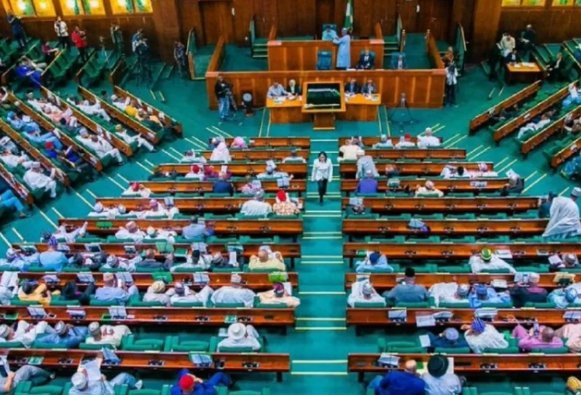
The bill has already passed its second reading in the House of Representatives and has been referred to key committees, including those on banking, digital and electronic banking, science and technology, and capital markets. The public hearing is part of the process to refine the bill’s language and scope before further readings and eventual passage into law.
If approved, the Nigerian Fintech Regulatory Commission would mark a significant shift in how Nigeria governs its digital financial ecosystem. Supporters say the move could solidify Nigeria’s position as a leader in fintech across Africa by providing legal certainty, improving compliance standards, and protecting consumers more effectively.
For everyday Nigerians, clearer fintech regulation could mean greater confidence in using digital tools for banking and payments, improved safeguards against fraud, and a more transparent framework for dispute resolution. As the debate continues in the National Assembly, voices from the industry and civil society will play an important role in shaping the future of financial technology oversight in the country.
Join Our Social Media Channels:
WhatsApp: NaijaEyes
Facebook: NaijaEyes
Twitter: NaijaEyes
Instagram: NaijaEyes
TikTok: NaijaEyes